
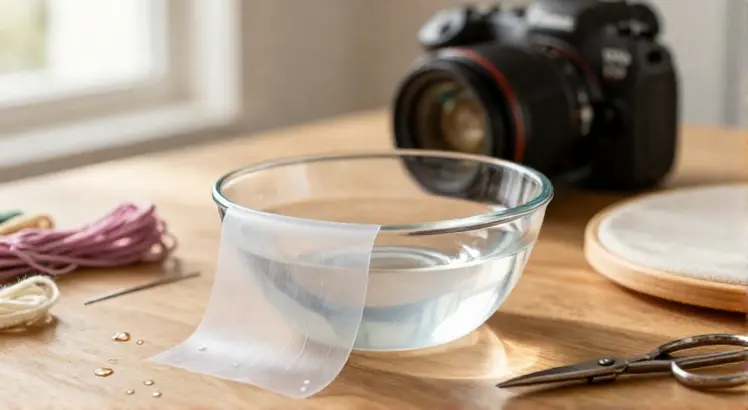
Water soluble stabilizers are temporary support materials for sewing and embroidery. They dissolve completely in plain water after you finish stitching. This makes them perfect for delicate projects where leftover backing would look messy. Understanding this tool can help you achieve clean, professional results.
What Is a Water Soluble Stabilizer?
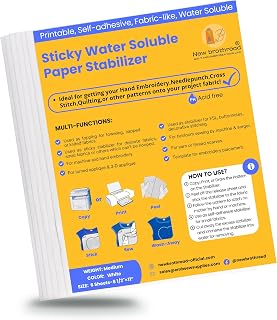
New brothread Sticky Water Soluble Embroidery Stabilizer 6 Pack
Check PriceA water soluble stabilizer is a temporary fabric support that washes away with water. It usually comes as a film, a sheet, or a mesh roll. Sewers use it as a backing or a topping to prevent puckering and distortion. The main advantage is that it leaves no residue behind.
This stabilizer is made from polyvinyl alcohol or similar water soluble polymers. These materials are strong enough to hold stitches during embroidery. They break down quickly when submerged in lukewarm water. You can use them on everything from sheer fabrics to thick towels.
Unlike permanent stabilizers, this product disappears completely after washing. It does not add bulk or stiffness to the final item. This makes it a favorite for free standing lace, applique, and hemstitching. You can also use it as a temporary topping for textured fabrics, and the Embroidery Wikipedia page offers more context on stabilizer uses.
How Does Water Soluble Stabilizer Work?
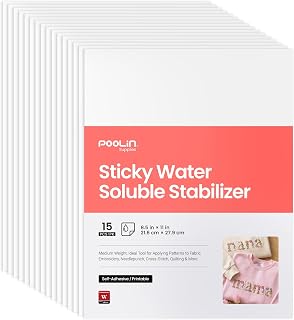
Poolin Printable Water Soluble Stabilizer 8.5 x 11 Inch
Check PriceThe stabilizer works by providing a stable surface while the needle pierces the fabric repeatedly. This prevents the fabric from shifting or stretching. It also fills the gaps in loosely woven materials. The stitches can form neatly without sinking into the nap.
When you wash the finished project, the stabilizer absorbs water and dissolves. Most products dissolve completely within a few minutes in warm water. Some heavy films may need a gentle soak for up to ten minutes. Always follow the specific product instructions for best results.
You can place the stabilizer on top of the fabric, underneath it, or both. Toppings are common for terry cloth, fleece, and velvet. Backings are used on lightweight or unstable fabrics. The placement depends on the type of embroidery and the fabric texture.
Types of Water Soluble Stabilizers
In The Swim Liquid Conditioner Chlorine Stabilizer 1 Gallon
Check PriceThere are two main categories: film type and fabric type. Film type stabilizers look like clear or translucent plastic sheets. They are very thin and dissolve quickly. They work best as toppings for high pile fabrics.
Fabric type stabilizers resemble nonwoven interfacing or paper. They are softer and more flexible than film. Some fabric types have a sticky backing for hooping difficult items. Others are designed for free standing lace and dense designs.
You can also find printable water soluble stabilizers. These allow you to print templates or patterns directly onto the stabilizer sheet. This is useful for applique and transferring designs. The printable version often pairs well with inkjet printers.
Key Benefits for Embroidery and Sewing
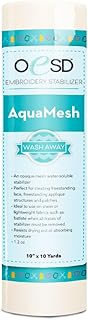
OESD AquaMesh Wash Away Embroidery Stabilizer 10 x 10 Yd Roll
Check PriceThe biggest benefit is a completely clean finish. There is no need to tear or cut away excess stabilizer. This reduces the risk of damaging delicate stitches. It also saves time during project finishing.
Water soluble stabilizers prevent the fabric from puckering during dense embroidery. They support the stitches so the fabric stays flat. This is especially important when working with stretchy or slippery fabrics. The result is a smoother, more professional appearance.
This product is also ideal for projects that will be seen from both sides. Since it dissolves completely, there is no shadow or residue. That makes it perfect for sheer curtains, bridal veils, and organdy. For more product recommendations, see our guide to the best water soluble stabilizer options.
Common Uses in Machine Embroidery
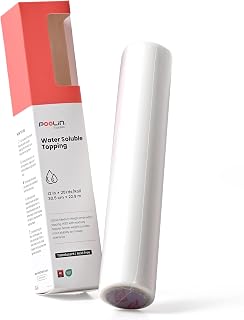
Poolin Water Soluble Embroidery Topping Film 12 by 25 Yd
Check PriceOne popular use is creating free standing lace. You stitch the design onto a heavy water soluble film. Then you wash away the film to reveal delicate lace shapes. These can become ornaments, earrings, or appliques.
Another use is as a topping for towels and fleece. Without a topping, the stitches can sink into the soft loops. A piece of film on top holds the threads above the fabric surface. After washing, the film disappears and leaves crisp embroidery.
You can also use water soluble stabilizer for hemstitching and cutwork. It supports open areas while you sew decorative stitches. Once the work is done, the stabilizer rinses out of the small holes. This keeps the fabric from fraying or distorting.
Step by Step Guide to Using Water Soluble Stabilizer
Sulky Solvy Water Soluble Stabilizer 12 by 9.5 Yd
Check PriceFirst, select the correct weight and type for your project. Hoop the fabric with the stabilizer underneath if you need backing support. For toppings, place the film on top of the fabric before hooping. You can also float the film over the hooped fabric and secure it with pins or adhesive.
Stitch your design as usual. If you are using a sticky version, press the fabric onto the stabilizer before hooping. This helps hold small or oddly shaped items in place. Avoid stretching the fabric while positioning it.
After stitching, remove the hoop and trim away any large excess stabilizer with scissors. Then soak the project in lukewarm water for a few minutes. Gently agitate the fabric to help the stabilizer dissolve. Rinse thoroughly and lay flat to dry. For detailed instructions on application, read this tutorial on how to use water soluble stabiliser.
Water Soluble vs Tear Away vs Cut Away Stabilizers
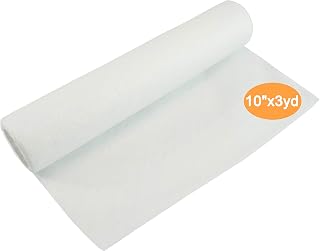
New brothread Wash Away Embroidery Stabilizer 10 x 3 Yd Roll
Check PriceTear away stabilizers are designed to be ripped away after stitching. They leave small fibers in the stitches, which can cause irritation on skin. Water soluble stabilizer rinses completely clean, leaving nothing behind. This makes it better for baby items and intimate apparel.
Cut away stabilizers remain in the project permanently. They provide the strongest support for dense designs and stretchy fabrics. However, they add bulk and can show through light colored fabrics. Water soluble stabilizer offers a temporary solution with zero residue.
The best choice depends on the project and fabric. Use cut away for frequently washed items like uniforms. Use water soluble for sheer fabrics, lace, and toppings. Many sewers keep all three types on hand for different tasks.
Tips for Washing and Drying Projects
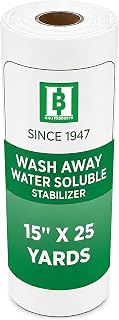
HBI Wash Away Water Soluble Embroidery Stabilizer 15 x 25 Yd Roll
Check PriceAlways use lukewarm or cool water to dissolve the stabilizer. Hot water can set some types of stabilizer or damage delicate threads. Let the project soak for five to ten minutes if the stabilizer is thick. Gently squeeze the fabric to release any trapped residue.
Do not rub or wring the fabric, especially if it has embroidery. This can distort the stitches and cause puckering. Rinse the project in clean cool water until the water runs clear. Pat the fabric with a towel to remove excess moisture.
Lay the item flat on a clean dry towel to air dry. Avoid hanging heavy embroidered pieces while wet, as this can stretch the fabric. Once dry, you can press the project from the backside with a low iron. This will restore a crisp finish without flattening the stitches.
Troubleshooting Common Problems
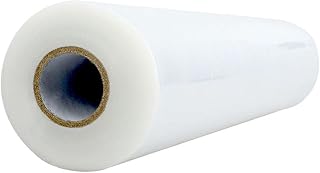
Seneme Water Soluble Stabilizer Topping Film 12 x 50 Yd Roll
Check PriceIf the stabilizer does not dissolve completely, you may have used too much. Thick layers or multiple sheets can leave a sticky film. Soak the project longer in warm water and change the water once. You can also add a drop of mild detergent to help break down the residue.
Sometimes the stabilizer becomes gummy during embroidery. This can happen in high humidity or when the film is too heavy for the design. Store stabilizers in a sealed plastic bag away from moisture. If the film sticks to the needle, switch to a thinner topping.
If the fabric puckers after washing, the stabilizer may not have been strong enough. Use a heavier backing or double up the layers. Always test on a scrap piece before stitching the final project. This simple step can prevent many common issues.
FAQ
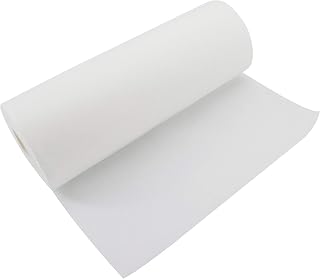
New brothread Wash Away Embroidery Stabilizer 10 x 25 Yd Roll
Check PriceCan I use water soluble stabilizer in a regular washing machine?
Yes, many water soluble stabilizers dissolve in a standard washing machine cycle. Use cool or warm water and a gentle cycle. Check the product label to make sure it is machine safe. For delicate items, hand soaking is often safer.
Is water soluble stabilizer safe for all fabrics?
Water soluble stabilizer is safe for most fabrics including cotton, linen, silk, and synthetics. It is especially useful for sheer or lightweight materials. Always test on a scrap piece if you are unsure. Avoid using it on fabrics that cannot get wet.
How long does it take to dissolve?
Most film type stabilizers dissolve in one to three minutes in lukewarm water. Fabric type stabilizers may take five to ten minutes. Thick or heavily layered pieces need a longer soak. Agitate gently to speed up the process.
Does it leave any residue?
When used correctly, water soluble stabilizer leaves no visible or tactile residue. If the water becomes cloudy, rinse again in clean water. Some very dense designs may trap tiny particles. A second soak usually removes them completely.
Can I use it for hand embroidery?
Yes, water soluble stabilizer works well for hand embroidery. Place a piece behind or on top of the fabric before stitching. It supports the fabric and prevents distortion. Rinse the piece after you finish the hand stitching.
Conclusion
OESD Badge Master Wash Away Embroidery Stabilizer 12 x 8 Yd Roll
Check PriceA water soluble stabilizer is one of the most versatile tools in a sewer’s kit. It provides temporary support for embroidery, lace, and delicate fabrics. It rinses away cleanly, leaving only the beautiful stitching behind. With the right product and technique, you can achieve flawless results on nearly any project.

Disclosure: As an Amazon Associate, we earn from qualifying purchases at no extra cost to you. Our posts are created with AI tools and human editing.