
Sewing machine oil is a specially formulated lubricant designed to keep sewing machines running smoothly and efficiently. It reduces friction between moving parts, prevents rust, and helps extend the life of your machine.
Understanding what sewing machine oil is and how it works helps prevent unnecessary wear, improve stitch quality, and extend the life of your machine. Whether you sew occasionally or daily, knowing the basics of sewing machine oil is essential for reliable performance.
What Is Sewing Machine Oil?
Sewing machine oil is a lightweight, clear lubricant specially formulated to reduce friction between the moving metal parts inside a sewing machine. It allows components such as shafts, hooks, and bearings to move smoothly without grinding or overheating.
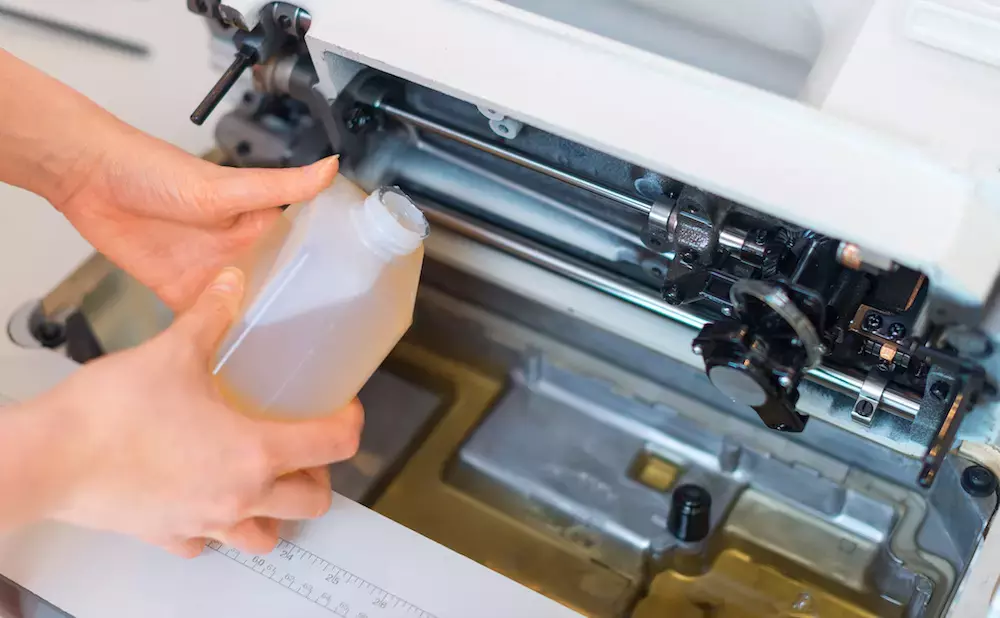
Unlike household oils, sewing machine oil is designed specifically for precision machinery. It does not contain additives that can thicken, gum up, or attract excessive lint. Its main purpose is to protect metal parts while maintaining smooth, consistent motion during sewing.
What Is Sewing Machine Oil Made Of?
Most sewing machine oils are made from highly refined mineral oil or synthetic oil, depending on the formulation.
- Mineral-based oils are commonly used for standard home sewing machines. They are lightweight, affordable, and effective for routine maintenance.
- Synthetic sewing machine oils offer longer-lasting lubrication and greater resistance to heat and oxidation, making them suitable for frequent or heavy use.
Quality sewing machine oil is:
- Clear and colorless
- Free from acids and resins
- Non-sticky and fast-spreading
These properties prevent staining fabrics and avoid residue buildup inside the machine.
How Sewing Machine Oil Works
Sewing machine oil works by forming a thin protective film between metal surfaces that move against each other. This film reduces direct contact, lowering friction and minimizing wear.
As the machine runs, friction naturally generates heat. Oil helps dissipate this heat, preventing parts from expanding or wearing unevenly. It also protects exposed metal surfaces from moisture in the air, which helps prevent rust and corrosion.
Without oil, metal parts grind against each other, leading to noise, stiffness, inaccurate stitching, and eventual mechanical damage.
While proper lubrication is essential for smooth operation, stitch quality also depends on correct machine settings. To better understand how tension affects your stitches, read our guide on understanding what sewing machine tension is.
Why Sewing Machine Oil Is Important
Proper oiling directly affects how well a sewing machine performs. When a machine is correctly lubricated:
- Stitches become more consistent
- The machine runs quieter
- The handwheel turns smoothly
- The motor experiences less strain
- Internal parts last longer
Regular oiling also prevents costly repairs by reducing long-term damage caused by friction and heat. Even high-quality machines can develop problems if oiling is neglected.
Once you understand what sewing machine oil is, the next step is using it properly. Follow our step-by-step guide on how to oil a sewing machine correctly for the best results.
Where to Use Sewing Machine Oil
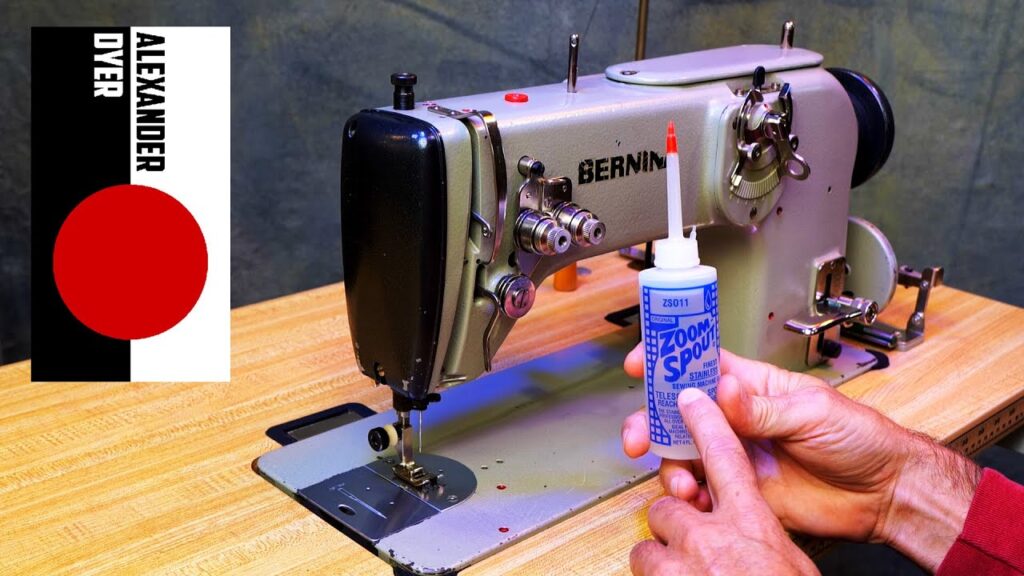
Sewing machine oil should only be applied to metal-to-metal moving parts. Common oiling points include:
- Bobbin case and hook race
- Needle bar
- Presser bar
- Shuttle mechanism
- Internal metal joints specified in the manual
Areas that should NOT be oiled:
- Belts
- Plastic gears
- Rubber components
- Electronic or motor parts
Always refer to your machine’s manual to locate approved oiling points.
How Often Should You Oil a Sewing Machine?
The frequency of oiling depends on how often the machine is used:
- Regular use: Every 8–10 hours of sewing
- Occasional use: Once a month
- After long storage: Before sewing again
Signs your machine needs oil include increased noise, stiff movement, skipped stitches, or uneven feeding.
Sewing Machine Oil vs Household Oils
Household oils such as cooking oil, motor oil, or multi-purpose sprays are not suitable for sewing machines. These oils are thicker and contain additives that can:
- Attract lint and dust
- Become sticky over time
- Damage internal parts
- Stain fabric
Sewing machine oil is specifically engineered to avoid these problems, making it the only safe option for proper maintenance.
Common Sewing Machine Oiling Mistakes
Some of the most common mistakes include:
- Over-oiling: Causes oil leaks and lint buildup
- Oiling dirty machines: Traps debris inside
- Using the wrong oil: Leads to residue and damage
- Ignoring the manual: Results in oiling the wrong parts
Cleaning before oiling and using only a few drops per point prevents these issues.
How to Choose the Right Sewing Machine Oil
When selecting sewing machine oil, look for:
- Clear, colorless oil
- Lightweight consistency
- No added fragrances or additives
- Applicator suited to your needs (standard tip, precision tip, or flexible tube)
For frequent use or heavy sewing, synthetic oil may offer longer-lasting protection.
FAQs About Sewing Machine Oil
Can sewing machine oil stain fabric?
Yes, if over-applied. Always wipe excess oil and test on scrap fabric.
Is sewing machine oil universal?
Most oils work across many machines, but always follow manufacturer guidelines.
Can I oil a computerized sewing machine?
Yes, but only in manual-approved areas.
Conclusion
Sewing machine oil is a vital part of machine care, not an optional extra. It reduces friction, protects metal parts, improves stitch quality, and helps sewing machines run smoothly for years. By understanding what sewing machine oil is, where to use it, and how often to apply it, you can prevent many common sewing problems and extend the life of your machine.
Regular oiling, combined with proper cleaning, keeps your sewing machine performing at its best, quiet, smooth, and reliable for every project.
