
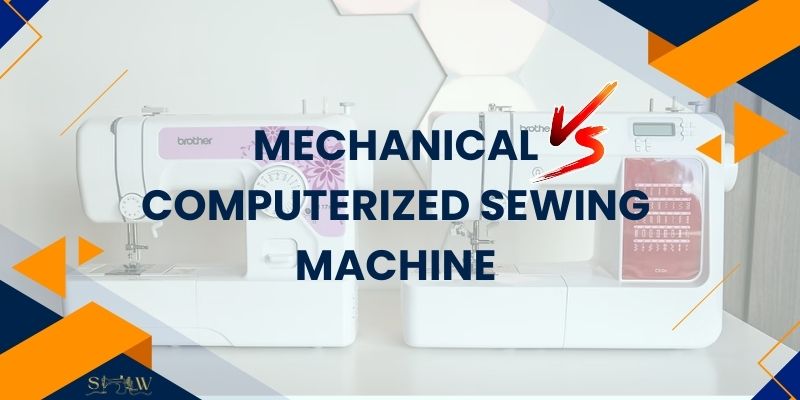
Mechanical and computerized sewing machines represent two different sewing philosophies. One focuses on manual control and simplicity, while the other emphasizes automation, precision, and convenience. Neither is universally better, the right choice depends entirely on how you sew and what you expect from your machine.
Many beginners assume computerized machines are always superior, while experienced sewists often swear by mechanical models. In reality, both types shine in different situations, and understanding their strengths helps avoid costly mistakes.
This comparison Mechanical vs Computerized Sewing Machines is designed for beginners, hobbyists, and serious sewists who want clarity instead of marketing hype.
What Is a Mechanical Sewing Machines?
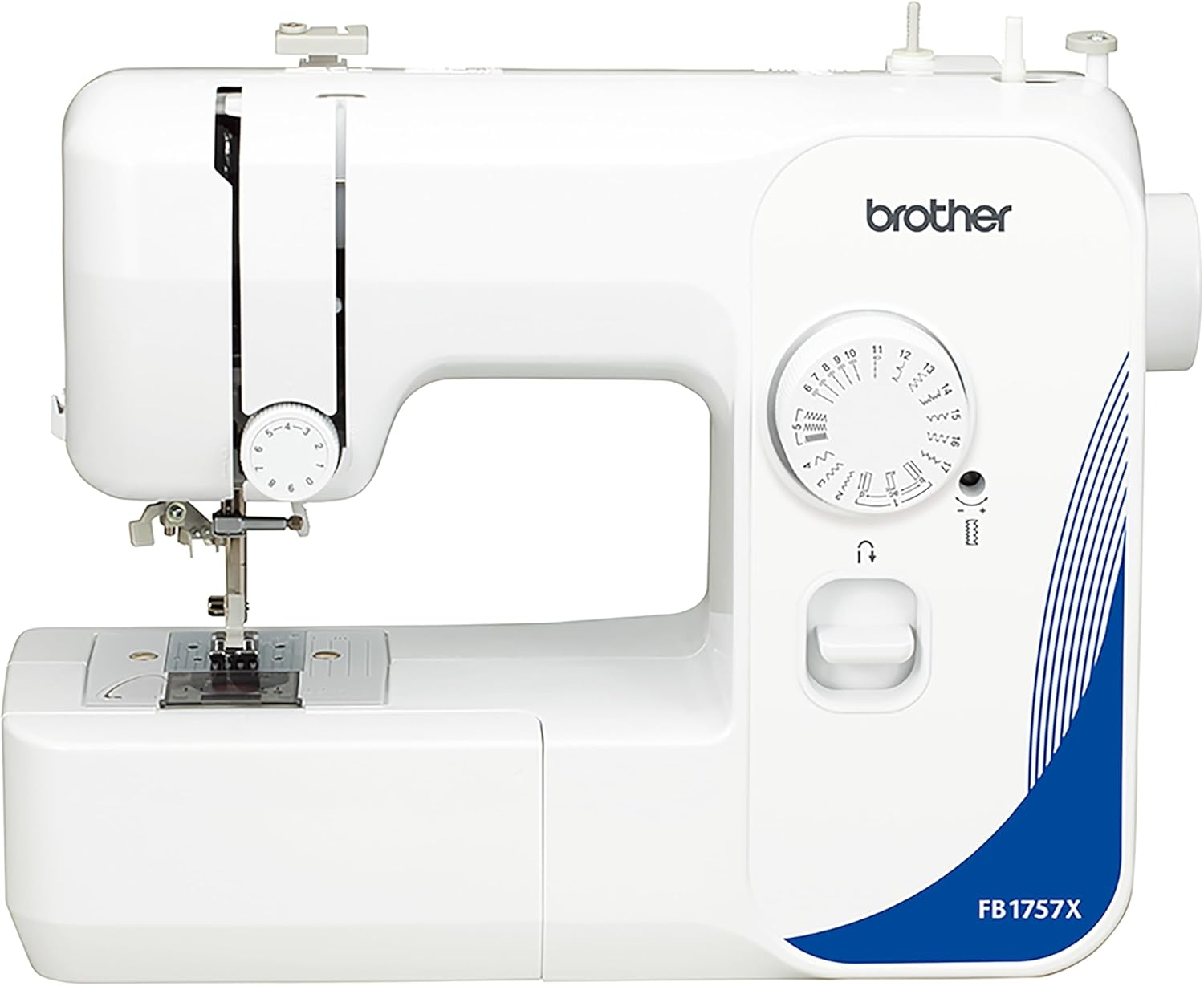
Brother FB1757X Mechanical Sewing Machine
Includes 4 sewing feet, extended wide table, darning plate, bobbin cover, bobbins (3 pcs +1 on machine), needle Set (3 pcs), T screw driver, and bilingual manual.
Check PriceHow Mechanical Sewing Machines Work
Mechanical sewing machines operate using knobs, dials, and levers that directly control stitch length, width, and tension. Every adjustment is made manually, giving the user full physical control over the machine’s behavior. There are no digital displays or internal computers involved.
Because of this direct control system, mechanical machines respond instantly to user input. The machine only does what you tell it to do, making it predictable and reliable during long sewing sessions.
Manual Controls and Stitch Selection
Stitches on a mechanical sewing machine are selected using a dial, usually offering basic options like straight stitch, zigzag, and a few utility stitches. These stitches are more than enough for garment construction, repairs, and heavy-duty sewing.
Adjustments require hands-on involvement, which helps users understand how stitches form. This knowledge becomes extremely valuable when troubleshooting fabric issues or tension problems.
What Is a Computerized Sewing Machine?
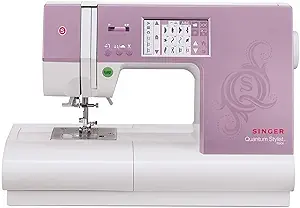
SINGER Quantum Stylist 9985 Computerized Sewing & Quilting Machine
The SINGER 9985 Quantum Stylist 9960 is built for sewists who want professional-level performance at home. It combines high speed, digital precision, and a massive stitch library, making it suitable for complex sewing and creative projects. This machine is often considered a long-term investment rather than a beginner-only option.
Check PriceHow Computerized Sewing Machines Operate
Computerized sewing machines use internal microprocessors to control stitch formation, speed, and precision. Instead of knobs, users select settings through buttons or touchscreens, allowing the machine to automatically adjust itself.
This automation reduces manual guesswork and ensures consistent results, especially for decorative stitching and detailed projects.
Digital Controls and Advanced Stitch Libraries
One of the biggest advantages of computerized machines is the massive stitch library. Many models offer hundreds of decorative, quilting, and embroidery stitches that would be impossible to replicate manually.
The digital interface also allows stitch customization, memory functions, and error alerts, making sewing more efficient and visually polished.
Mechanical vs Computerized Sewing Machine: Key Differences
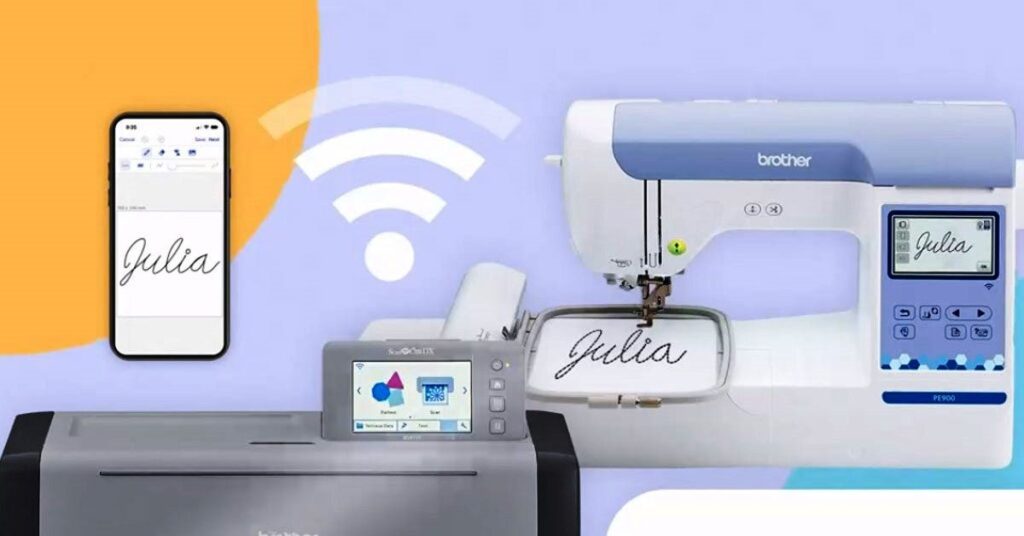
Control System Comparison
Mechanical machines rely entirely on user input, while computerized machines rely on programmed accuracy. Mechanical control feels tactile and responsive, whereas computerized control feels guided and automated.
This difference affects how involved you feel during sewing. Some users enjoy the hands-on approach, while others prefer effortless precision.
Stitch Variety and Customization
Mechanical machines focus on essential stitches, while computerized machines excel in decorative variety. If your projects require creative designs or embroidery, computerized machines clearly outperform.
However, for structural sewing, mechanical stitches are often stronger and more consistent.
Speed, Precision, and Consistency
Computerized machines maintain consistent stitch quality even at high speeds. Mechanical machines rely on the user’s foot control, which may cause slight variations but offers better control on thick fabrics.
Performance Comparison for Different Fabrics
Sewing Lightweight Fabrics
Computerized machines perform exceptionally well on delicate fabrics like chiffon and silk due to precise stitch regulation. Mechanical machines can handle these fabrics too, but require careful manual adjustment.
Handling Thick and Heavy Materials
Mechanical sewing machines dominate when it comes to denim, canvas, and upholstery fabrics. Their strong motors and metal frames handle resistance better than many computerized models.
Quilting, Embroidery, and Decorative Sewing
Computerized machines are the clear winner for quilting patterns, embroidery designs, and decorative stitches. Their automation simplifies complex projects significantly.
Ease of Use: Which Sewing Machine Is Better for Beginners?
Learning Curve and Setup Process
Beginners often find computerized machines easier to start with because settings are automated. Mechanical machines require learning stitch mechanics, but that learning builds strong foundational skills.
Error Handling and Stitch Accuracy
Computerized machines alert users to mistakes like incorrect presser foot or threading errors. Mechanical machines require manual troubleshooting, which improves long-term sewing confidence.
Durability and Maintenance Requirements
Mechanical Sewing Machine Longevity
Mechanical machines are known for their long lifespan. With regular oiling and basic maintenance, they can last for decades.
Computerized Machine Maintenance Needs
Computerized machines require careful handling and occasional professional servicing. Electronic components can be costly to repair once out of warranty.
Cost Comparison: Mechanical vs Computerized Sewing Machine
Initial Purchase Cost
Mechanical sewing machines are generally more affordable, making them ideal for budget-conscious buyers. Computerized machines come at a higher upfront cost due to advanced features.
Long-Term Value and Repair Costs
Mechanical machines are cheaper to maintain long term. Computerized machines may offer more features but can be expensive to repair if electronics fail.
Pros and Cons of Mechanical Sewing Machines
Strengths of Mechanical Sewing Machines
- Excellent durability
- Powerful fabric handling
- Lower maintenance cost
Limitations of Mechanical Sewing Machines
- Limited stitch variety
- Manual adjustments required
Pros and Cons of Computerized Sewing Machines
Advantages of Computerized Sewing Machines
- Large stitch libraries
- Automated precision
- Beginner-friendly features
Drawbacks of Computerized Sewing Machines
- Higher price
- More complex repairs
Mechanical vs Computerized Sewing Machine Comparison Table
| Feature | Mechanical Sewing Machine | Computerized Sewing Machine |
| Control Type | Manual dials and knobs | Digital buttons/touchscreen |
| Stitch Variety | Limited | Extensive |
| Durability | Very high | Moderate |
| Maintenance | Simple | Complex |
| Best For | Heavy fabrics, long-term use | Decorative and precision sewing |
Which Sewing Machine Is Best for Your Sewing Needs?
Choosing the best sewing machine depends on how you plan to use it and what features matter most to you:
🧵 For Beginners:
If you’re just starting out, a basic or mechanical sewing machine with simple controls is usually the best choice. These machines are easy to learn on, affordable, and durable, perfect for basic sewing tasks like hemming, repairs, and simple garments.
💡 For Frequent Home Sewing:
If you sew regularly, making clothes, home décor, or gifts, consider a mid-range computerized machine. These offer more stitch options, automatic features like threading and buttonholes, and smooth performance that saves time and effort.
🎨 For Advanced Sewists:
Experienced sewists and hobbyists often prefer high-end or advanced machines. These models include a wide variety of stitches, stronger motors for thicker fabrics, precision settings, and sometimes embroidery or quilting capabilities.
🧵 For Heavy Fabrics & Leather:
If you work with denim, canvas, leather, or multiple layers often, a durable mechanical machine or heavy-duty model is a great choice because it can handle tough materials with ease.
✨ For Creativity & Specialized Projects:
If you want features like embroidery, quilting, or customizable stitch programs, a computerized sewing machine with advanced settings is likely the best fit.
Common Mistakes to Avoid When Choosing a Sewing Machine
One of the biggest mistakes people make is buying a sewing machine that’s either too basic or too advanced for their skill level. Beginners often get overwhelmed by complex features they don’t need, while experienced sewers may outgrow a very simple machine too quickly.
Another common mistake is focusing only on price instead of quality. A cheap sewing machine might seem like a good deal, but poor build quality and weak motors can lead to frustration and early replacement.
Many buyers also ignore the types of projects they plan to sew. Not all machines handle heavy fabrics, quilting, or embroidery well. Choosing a machine without considering fabric thickness and sewing frequency can limit what you’re able to make.
Skipping maintenance and durability considerations is another issue. Some machines require regular servicing or replacement parts that may be expensive or hard to find, especially for older or computerized models.
Finally, people often overlook ease of use and comfort features, such as speed control, lighting, and automatic threading. These small details can make a big difference in long-term satisfaction and sewing enjoyment.
FAQs About Mechanical vs Computerized Sewing Machines
What Is the Difference Between Mechanical and Computerized Sewing Machines?
Mechanical sewing machines use manual dials and knobs to control stitches and settings, while computerized machines use digital controls and preset programs for greater precision and convenience.
Which Is Better for Beginners: Mechanical or Computerized?
Mechanical machines are often better for beginners because they are simple, affordable, and easy to maintain. However, some beginners prefer computerized machines for their automatic features and guided settings.
Are Computerized Sewing Machines More Durable Than Mechanical Ones?
Mechanical sewing machines are generally more durable because they have fewer electronic components. Computerized machines can last a long time but depend more on proper care and electronic reliability.
Do Mechanical Sewing Machines Require Less Maintenance?
Yes, mechanical machines usually require less maintenance and are easier to repair since they rely on basic mechanical parts rather than complex electronics.
Are Computerized Sewing Machines Worth the Higher Cost?
Computerized sewing machines are worth the cost if you want advanced features such as automatic thread cutting, programmable stitches, embroidery functions, and precise control.
Which Type of Sewing Machine Is Better for Heavy Fabrics?
Mechanical sewing machines often perform better on heavy fabrics like denim and canvas due to their strong motors and direct mechanical power.
Can Mechanical and Computerized Machines Last the Same Amount of Time?
With proper maintenance, both types can last many years. Mechanical machines often have longer lifespans, while computerized machines offer more features but may have a shorter usable life due to electronic parts.
Conclusion: Mechanical vs Computerized Sewing Machine Final Verdict
Choosing between a mechanical and a computerized sewing machine ultimately comes down to your sewing habits, goals, and budget. Mechanical machines are ideal if you want simplicity, reliability, and long-lasting durability, especially for basic stitching and heavy fabrics. They’re often easier to maintain and more affordable, making them a great choice for beginners and traditional sewists.
On the other hand, computerized sewing machines offer advanced features that can save time and expand creative possibilities. Functions like automatic threading, built-in stitches, LCD displays, and programmable settings are especially helpful for complex projects and frequent sewing. While they may cost more and require careful maintenance of their electronic components, many sewers find the added convenience worth it.
In the end, neither type is universally better, the best sewing machine is the one that fits your skill level, the kinds of projects you do, and what features matter most to you.
