
Cutting fabric correctly is the foundation of every successful sewing project. No matter how skilled you are at stitching, poorly cut fabric can lead to uneven seams, wasted material, and garments that do not fit as intended. Using scissors the right way ensures clean edges, accurate shapes, and professional-looking results. When fabric is cut smoothly and precisely, sewing becomes easier, faster, and far more enjoyable.
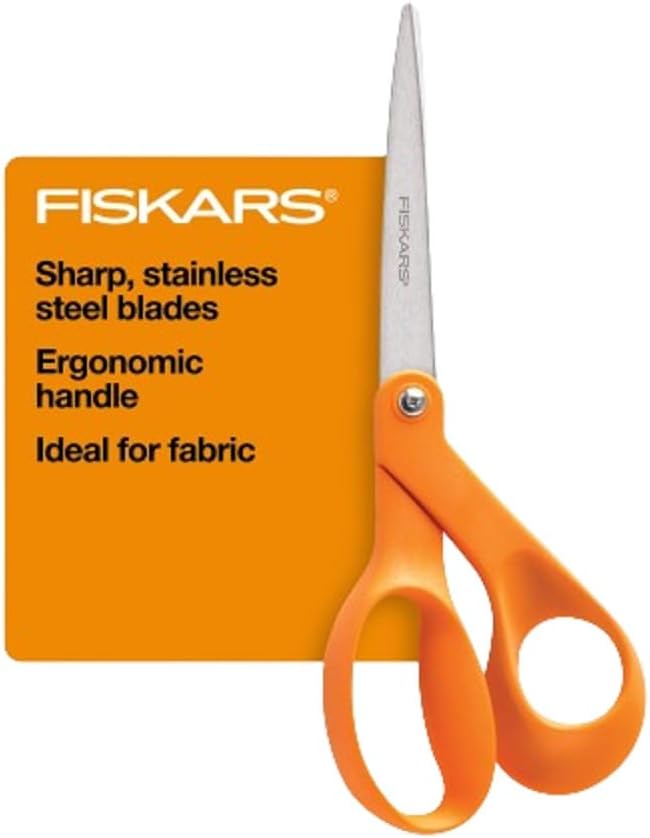
1Fiskars 8″ Original Orange‑Handled Stainless Steel Scissors
Classic, all‑purpose scissors with precision‑ground stainless steel blades and an ergonomic orange handle. Ideal for fabric, paper, and craft projects, delivering smooth, clean cuts to the tip.
Check Price
2Gingher 8″ Dressmaker’s Fabric Scissors (Alicia)
Premium forged dressmaker’s shears with long, knife‑edge blades that cut multiple fabric layers cleanly. The bent handle keeps fabric flat on the table, perfect for tailoring and dressmaking.
Check Price
3Kai 5210 8″ Dressmaking Shears
Professional dressmaking shears with hardened stainless steel blades and soft ergonomic handles. Designed to cut smoothly through multiple layers, including denim and heavier fabrics, with minimal hand fatigue.
Check Price
4SINGER ProSeries Sewing Scissors Bundle (3‑Piece Set)
Value bundle with 8.5″ heavy‑duty fabric shears, 4.5″ nano‑tip detail scissors, and 5″ thread snips. Tempered stainless blades and comfort‑grip handles cover everything from cutting yardage to precise trimming.
Check Price
5Wteehn 8″ Professional Fabric Scissors
Ultra‑sharp heavy‑duty sewing shears made from galvanized manganese steel, hand‑forged for durability. The adjustable pivot and ergonomic handle give you precise, powerful cuts through thick fabric and leather.
Check Price
6LIVINGO 10″ Multipurpose Heavy Duty Scissors
Full‑length titanium‑coated stainless blades built for strength and long‑lasting sharpness. Excellent for fabric, upholstery, cardboard, and DIY materials, with ergonomic rings for a secure, comfortable grip.
Check Price
7Kai 7250 10″ Professional Tailoring Shears
High‑carbon, hardened stainless‑steel shears designed for demanding tailoring work. The 10″ blades slice cleanly through thick, difficult fabrics and multiple layers, making them a favorite of serious sewists.
Check Price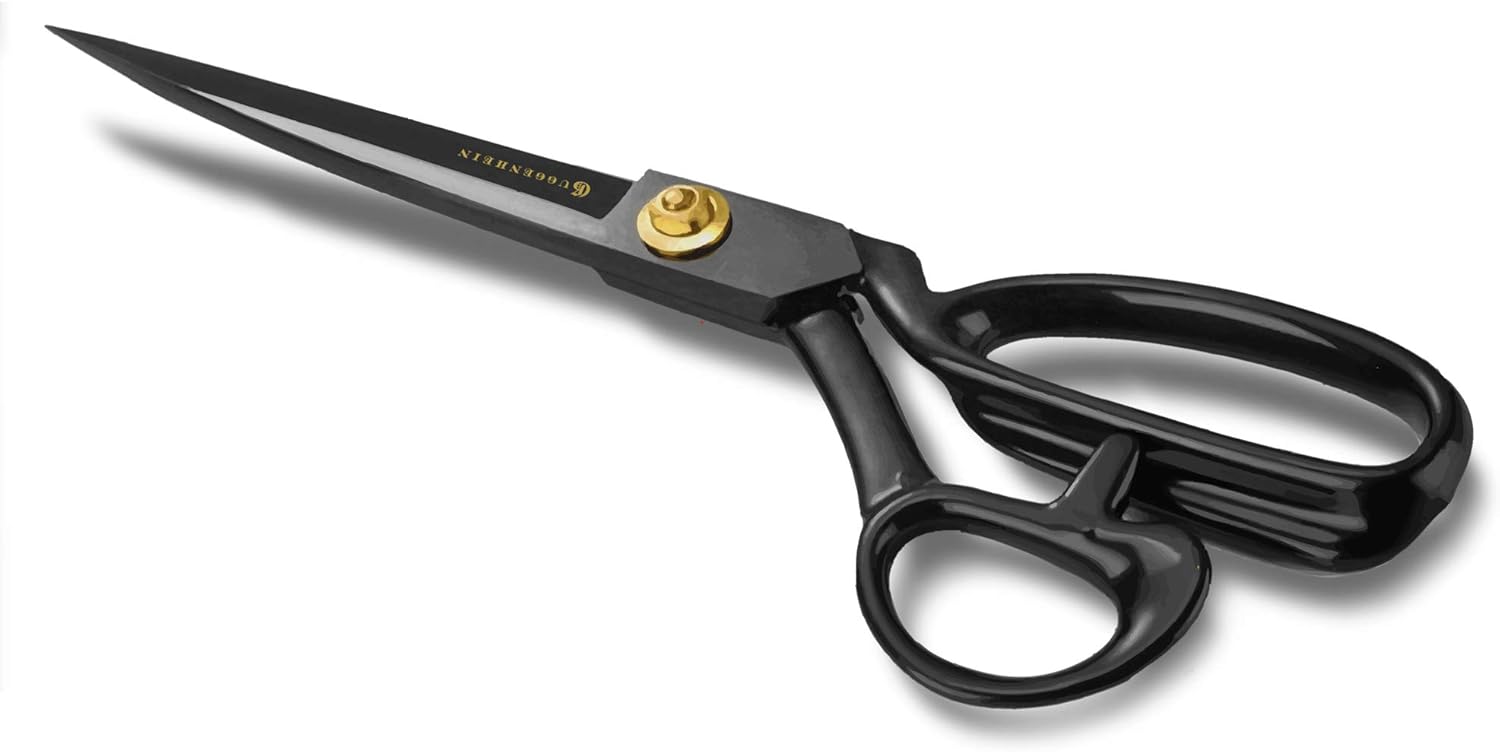
8Guggenhein IX 9″ Professional Tailor Shears
High‑carbon steel tailor shears engineered for clean, accurate cuts on all fabrics. Ergonomic handles and a tri‑sharpened edge give tailors, quilters, and serious hobbyists smooth, controlled cutting.
Check Price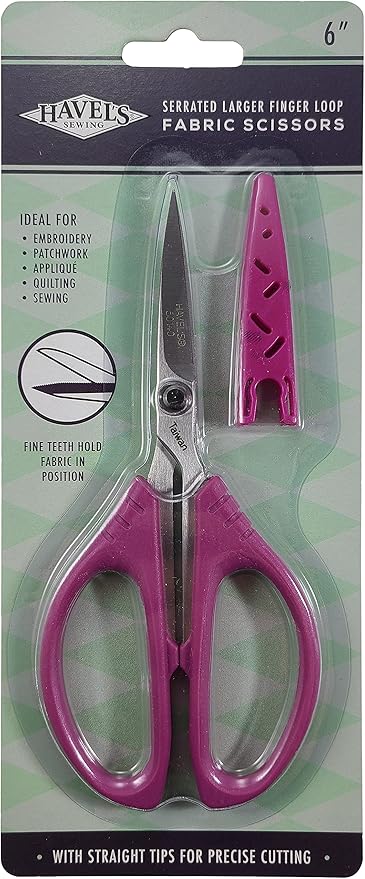
9Havel’s 6″ Serrated Large Finger Loop Fabric Scissors
Micro‑serrated blades hold fabric firmly for controlled, even cuts, while the enlarged finger loops add comfort. Excellent for applique, fine detail work, and accurate trimming on quilting and sewing projects.
Check Price
10Kai 7280 11″ Professional Tailoring Shears
Long 11″ professional shears made from high‑carbon hardened stainless steel, ideal for very thick or multiple fabric layers. Built for power and precision in tailoring, upholstery, and heavy sewing work.
Check PriceHow to Cut Fabric With Scissors (Overview)
Learning how to cut fabric with scissors is about more than just following a pattern line. It involves proper preparation, correct hand positioning, steady movement, and choosing the right tools. Fabric behaves differently from paper, and each type, cotton, denim, silk, or knit, requires a slightly different approach. Mastering these basics helps you avoid fraying, jagged edges, and distortion.
Choosing the Right Scissors for Cutting Fabric

10" All Purpose Fabric Scissors, Heavy Duty Tailoring Scissors and Shears for Sharp and Precise Fabric Cutting
High‑carbon steel blades with industrial‑grade sharpness for smooth cutting through multiple fabric layers; ergonomic design for left‑ and right‑handed use, ideal for sewing, tailoring and craft projects.
Check PriceFabric scissors are specifically designed to cut textiles cleanly without tearing or pulling fibers. They have long, sharp blades that allow smooth, continuous cuts. Using dull or general-purpose scissors can damage fabric and make cutting uneven. Dedicated fabric scissors should only be used on fabric to maintain their sharpness. Heavier fabrics require stronger scissors, while lightweight fabrics benefit from precision blades.
Fabric Scissors vs. Regular Scissors
Never use regular household or paper scissors on fabric—paper dulls blades quickly. You need dedicated fabric scissors or shears that:
- Are sharp enough to glide through layers of cloth.
- Have long blades for smooth, straight cuts.
- Stay reserved for fabric only.
Recommended Fabric Scissors (All from Amazon)
Here are some well‑reviewed options to suit different budgets and experience levels:
| Product | Best For | Price* | Rating* | Reviews* |
|---|---|---|---|---|
| Fiskars 8″ Original Orange‑Handled Stainless Steel Scissors – All‑purpose paper & fabric scissors | Beginners, everyday sewing | $9.97 | 4.8 / 5 | ~18,788 |
| Gingher 8″ Dressmaker’s Fabric Scissors, Stainless Steel Shears | Serious sewists, long‑term use | $34.94 | 4.8 / 5 | ~20,073 |
| Kai 5210 8‑inch Dressmaking Shears (N5210) | Cutting thicker or multiple layers | $19.22 | 4.8 / 5 | ~2,890 |
| SINGER ProSeries Sewing Scissors Bundle (8.5″ fabric + detail & thread snips)[4] | Full starter set (fabric + small snips) | $19.99 (list $34.99) | 4.8 / 5 | ~10,315 |
*Prices, ratings, and review counts are approximate and can change.
Quick picks:
- On a budget/beginner → Fiskars 8″ Original
- Want a premium, long‑lasting pair → Gingher 8″ Dressmaker’s
- Cutting thicker fabrics or several layers → Kai 5210
- Need a complete kit (big and small scissors) → SINGER ProSeries bundle
Preparing Fabric Before Cutting
Before cutting, fabric should always be washed, dried, and pressed according to its care instructions. Pre-washing removes shrinkage and finishes that can affect accuracy. Ironing eliminates wrinkles that may cause uneven cuts. Fabric should also be laid flat and aligned with its grain to ensure straight, accurate cutting lines.
How to Position Fabric Correctly on the Surface
Fabric should be placed on a flat, stable surface such as a cutting table or clean floor. Make sure the fabric lies completely flat without stretching or pulling. When working with multiple layers, align edges carefully and smooth out each layer. Proper positioning prevents shifting and helps maintain accurate measurements.
How to Hold Scissors the Right Way
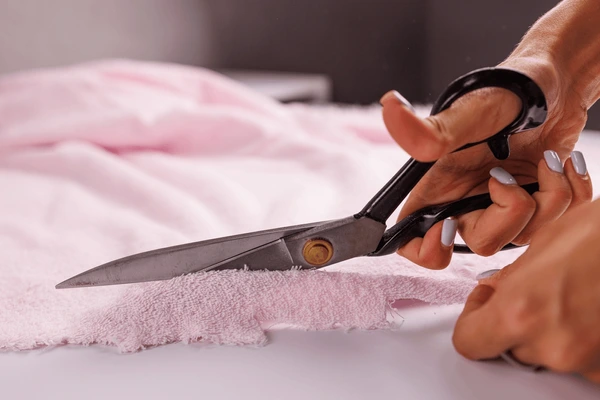
Hold fabric scissors with your thumb in the smaller handle and your fingers in the larger handle. Keep your wrist relaxed and your elbow slightly elevated to maintain control. Avoid lifting the fabric while cutting; instead, keep the fabric flat and move the scissors smoothly along the surface. This technique produces cleaner edges and more accurate cuts.

SCAIKTIG Premium Sewing Scissors Bundle, 8" Heavy Duty Fabric, 5" Embroidery, 4" Small Detail Scissors, 5" Thread Snips, Tailoring, Dressmaking, Quilting, Arts&Craft Supplies, White
Four‑piece set including 8.1" heavy‑duty fabric shears, 5.1" embroidery scissors, 4" detail scissors and 5" thread snips; stainless‑steel blades with comfortable PP+TPR handles for all‑purpose sewing and craft use.
Check PriceHow to Cut Fabric With Scissors Step by Step
Step 1: Choose Proper Fabric Scissors
Start with scissors made specifically for fabric. These have long, sharp blades that slice cleanly through fibers. Avoid using paper or craft scissors, as dull blades can tear fabric and cause uneven edges.
Step 2: Prepare the Fabric
Wash, dry, and iron the fabric before cutting. Pre-washing removes shrinkage, and ironing eliminates wrinkles that can distort cutting lines. Lay the fabric flat and ensure it is smooth and aligned with the grain.
Step 3: Set Up a Flat Cutting Surface
Use a large, flat surface such as a cutting table or clean floor. Make sure the fabric lies completely flat without hanging over edges, which can cause pulling and inaccurate cuts.
Step 4: Position the Fabric Correctly
Align the fabric edges evenly and smooth it with your hands. If working with folded fabric, ensure both layers are perfectly aligned. For slippery fabrics, use pins or pattern weights to prevent shifting.
Step 5: Mark or Follow Cutting Lines
Use tailor’s chalk, washable fabric markers, or pattern outlines to guide your cuts. Clear markings help maintain accuracy and prevent mistakes, especially for beginners.
Step 6: Hold the Scissors Properly
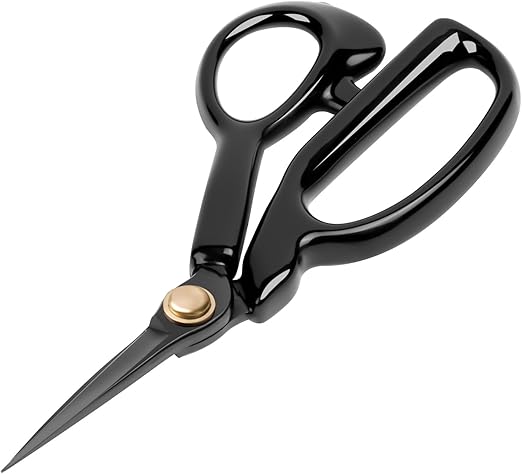
Guggenhein® 7 Inch Pro VII Sewing Scissors
Professional 7" stainless‑steel blades with a durable full cast‑steel handle and rubber‑coated grip for comfort; Tri‑Sharp edge design delivers clean, consistent cuts on fabric and threads for serious sewists.
Check PriceInsert your thumb into the smaller handle and your fingers into the larger one. Keep your wrist relaxed and your elbow slightly raised. This position gives you better control and cleaner cuts.
Step 7: Keep Fabric Flat While Cutting
Do not lift the fabric while cutting. Keep the lower blade of the scissors resting on the surface. This prevents fabric shifting and results in smooth, straight edges.
Step 8: Use Long, Smooth Cutting Strokes
Open the scissors fully and cut using long, steady strokes. Avoid short snips, which can cause jagged edges. Try to cut in one continuous motion whenever possible.
Step 9: Cut Straight Lines Carefully
Follow the fabric grain or marking line. Move the fabric with your free hand while keeping the scissors steady. Take your time to maintain accuracy.
Step 10: Cut Curves and Corners Slowly
For curves, rotate the fabric rather than twisting the scissors. Make small, controlled cuts around tight curves. Slow movement helps maintain clean, rounded edges.
Step 11: Handle Thick or Layered Fabric Gradually
When cutting thick fabrics or multiple layers, apply steady pressure and cut slowly. Check alignment often to ensure layers do not shift during cutting.
Step 12: Check Edges After Cutting
Once cutting is complete, inspect the edges. Trim any uneven spots carefully. Clean edges make sewing easier and improve final results.
Step 13: Store Scissors Properly
After use, wipe the blades clean and store scissors closed in a safe place. Use fabric scissors only on fabric to keep them sharp for future projects.
How to Cut Straight Lines in Fabric
To cut straight lines, follow the fabric’s grain or use a ruler or pattern as a guide. Keep the lower blade of the scissors flat against the surface to prevent fabric lifting. Cut steadily and avoid stopping mid-cut whenever possible, as stopping can create uneven edges.

Fiskars Stitcher Scissors (No. 5)
Micro‑tip blades designed for precision cutting of intricate details, cleanly cutting all the way to the tip through multiple fabric layers; ergonomically designed handles for control and comfort.
Check PriceHow to Cut Curves and Corners Cleanly
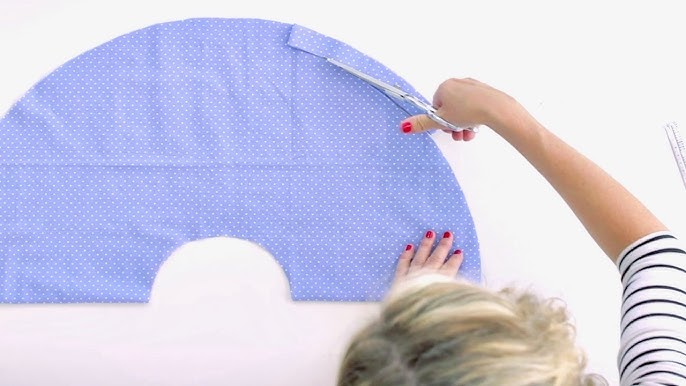
When cutting curves, rotate the fabric, not the scissors, to maintain control. Use smaller, controlled cuts rather than forcing long strokes around tight curves. For corners, slow down and carefully angle the scissors to maintain a smooth transition without cutting beyond the line.
How to Cut Thick or Layered Fabric
Thick fabrics such as denim, canvas, or multiple layers require firm, steady pressure. Cut slowly and use strong fabric scissors designed for heavy materials. Make sure layers stay aligned by smoothing them frequently. Avoid forcing the scissors, as this can cause uneven edges or hand strain.
How to Cut Slippery or Delicate Fabrics
Slippery fabrics like silk, satin, or chiffon can shift easily. To manage this, cut in single layers and use pattern weights or pins to hold fabric in place. Sharp, fine-blade scissors offer better control and reduce fabric movement during cutting.
Common Fabric Cutting Mistakes and How to Avoid Them
Common mistakes include using dull scissors, lifting fabric while cutting, cutting without pressing first, and rushing through the process. Taking time to prepare properly and using the correct technique prevents wasted fabric and improves overall project quality.
How to Keep Fabric Scissors Sharp
Fabric scissors should only be used on fabric, never paper or plastic. Store them safely with blades closed and clean them regularly to remove lint or residue. If scissors become dull, professional sharpening helps restore clean cutting performance.
Safety Tips When Cutting Fabric With Scissors
Always cut away from your body and keep fingers clear of the blades. Store scissors out of reach when not in use and avoid leaving them open on surfaces. Good lighting also helps prevent accidental slips and improves cutting accuracy.
Conclusion: Mastering Fabric Cutting Skills
Learning how to cut fabric with scissors properly is a skill that improves with practice. By preparing fabric correctly, using quality scissors, and applying steady cutting techniques, you can achieve clean, accurate results every time. Good cutting habits save fabric, reduce frustration, and elevate the overall quality of your sewing projects.
