
When you decide it’s time to buy a sewing machine, one of the biggest questions is: How much should I really spend? The answer depends on how you sew, what kinds of projects you want to tackle, and how long you plan to keep your machine. A good sewing machine isn’t just about price, it’s about value, durability, performance, and support over years of use.
In this guide, we’ll break down realistic price ranges, explain what features you get at each level, discuss hidden costs many buyers overlook, and help you decide how much you should budget for a sewing machine that actually works the way you want it to.
Price Ranges for Sewing Machines
Budget Sewing Machines (Under $150)
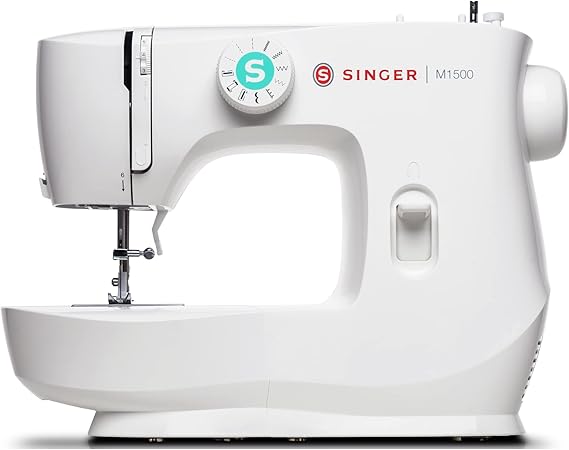
SINGER M1500 – Lightweight & Portable Sewing Machine
Beginner‑friendly mechanical sewing machine with 57 stitch applications, preset settings and LED light. Ideal for everyday mending and simple crafts.
Check PriceAt this price point, you’ll find basic entry-level mechanical machines designed for occasional use. These are great for beginners or hobbyists who want to learn sewing fundamentals without spending much money. Features are limited, typically straight stitch and zigzag only, with basic controls and simple construction.
Expect a lightweight body, plastic components, and slower motor power. For simple home sewing, repairs, and craft projects, this price range is fine, but you should avoid heavy fabrics and intense daily use.
Mid-Range Sewing Machines ($150–$500)
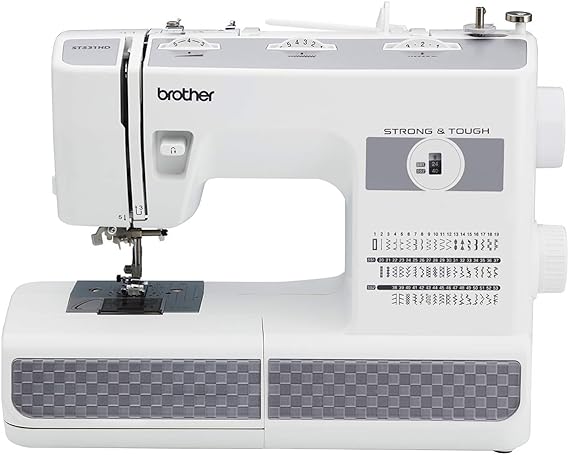
Brother ST531HD – Strong & Tough 53 Stitch Sewing Machine
Durable mechanical machine with 53 built‑in stitches, one‑step auto‑size buttonhole, metal frame and metal needle plate. Designed to handle everything from lightweight fabrics to multiple layers of denim.
Check PriceThis is the most popular price range for home sewists. Mid-range machines often include more stitch options, better build quality, and beginner-friendly features like automatic needle threaders, drop-in bobbins, or easy tension settings. You’ll find both mechanical and entry-level computerized machines here.
These machines are versatile and reliable for a wide range of projects, from garments and quilting to small décor pieces. If you sew regularly, this range gives the best balance of performance, features, and cost.
High-End Sewing Machines ($500–$1500+)
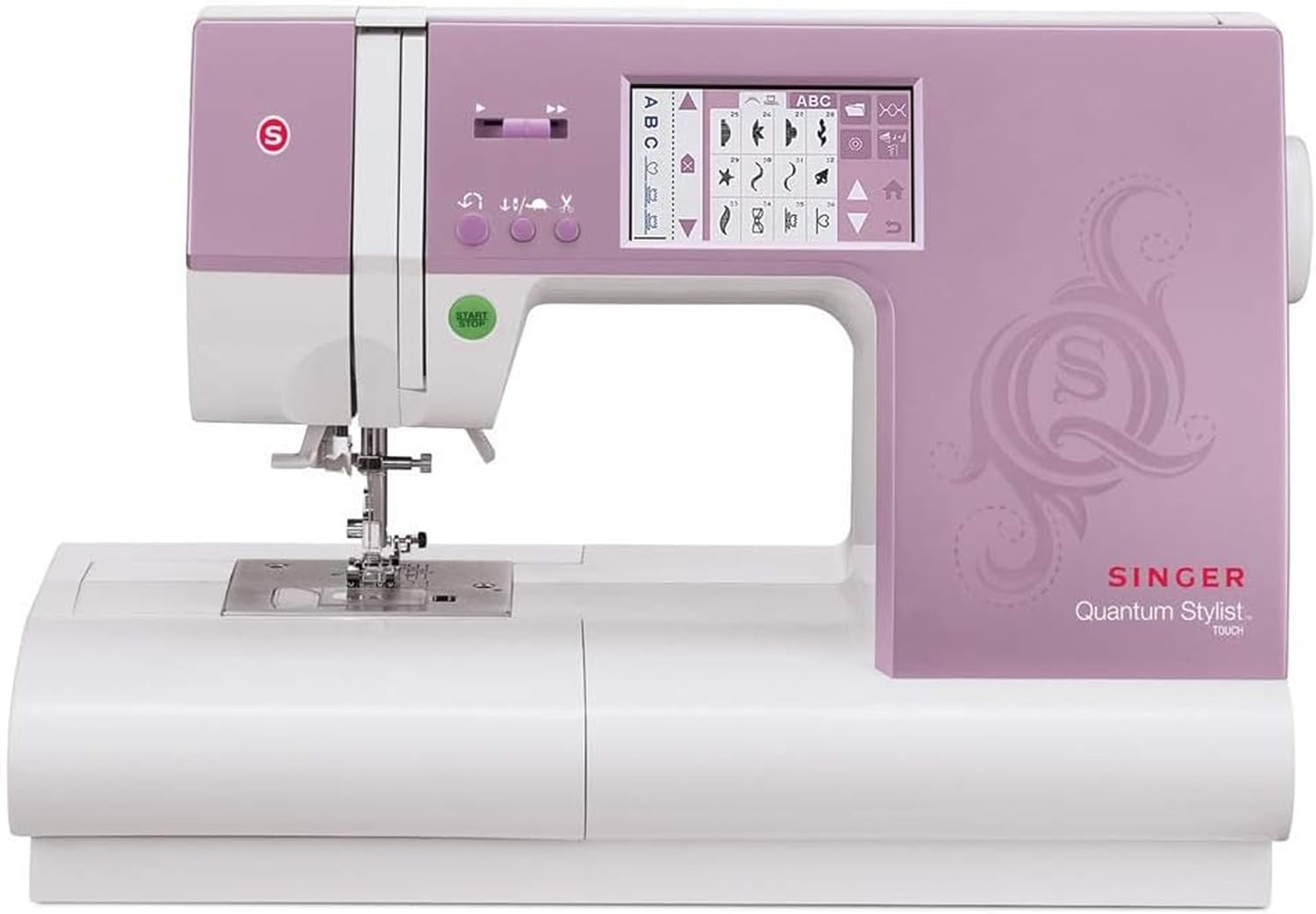
SINGER Quantum Stylist 9985 Computerized Sewing & Quilting Machine
The SINGER Quantum Stylist 9985 is a feature‑rich computerized sewing and quilting machine designed for serious home sewists who want maximum creativity in one unit.
Check PriceHigh-end machines offer professional-level performance, large stitch libraries, strong motors, and advanced automation like touchscreen controls, computer-assisted embroidery, and precision quilting features. Many of these machines feel like having a studio machine in your home.
They are ideal for serious sewists who work on complex projects, use multiple fabrics, and demand accuracy and speed. Build quality is superior, and many models are designed to last years even with frequent use.
Professional & Industrial Sewing Machines ($1500+)
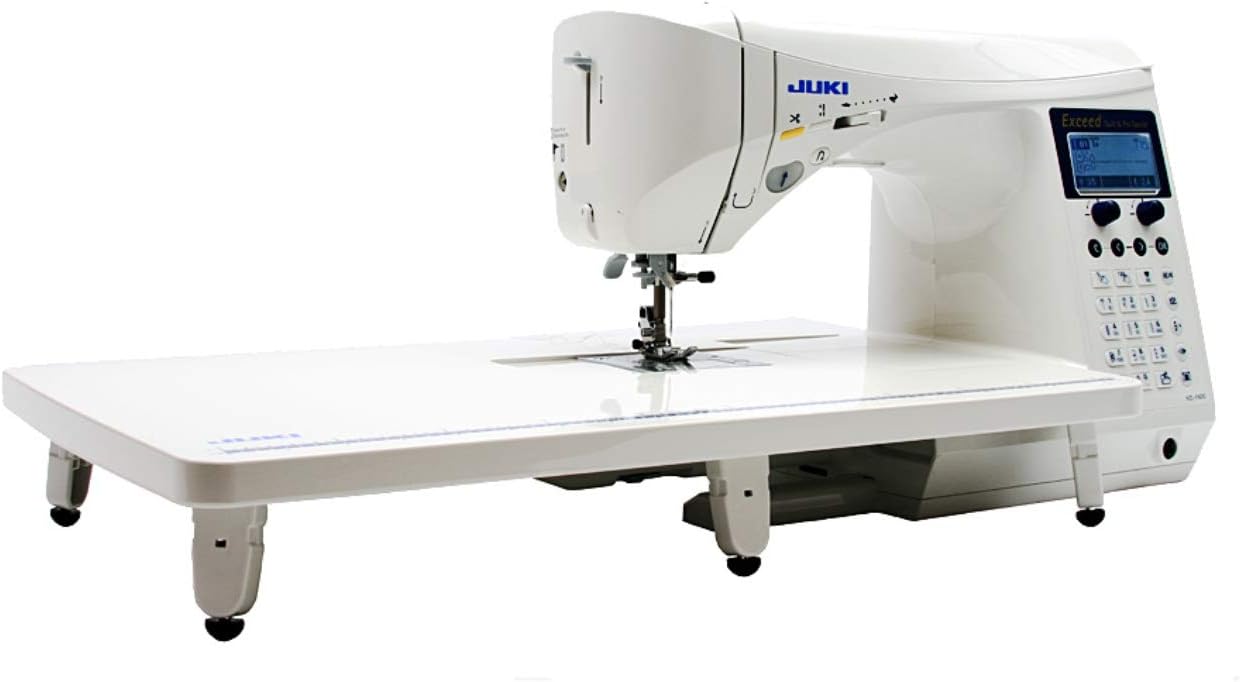
SINGER Quantum Stylist 9985 Computerized Sewing & Quilting Machine
The Juki HZL‑F600 is a computerized sewing and quilting machine aimed at serious home sewists who want a powerful, feature‑rich machine that’s still straightforward to use. It combines a large stitch library, quilting‑friendly features, and a user‑friendly LCD interface.
Check PriceThese are machines you’ll find in studios, ateliers, and industry settings. They handle heavy leather, canvas, thick upholstery, and long continuous sewing sessions without slowing down. Their motors, feed systems, and parts are built for endurance.
Most casual sewists don’t need an industrial machine unless they do professional tailoring, upholstery work, or run a sewing business.
What You Get at Each Price Point
Price doesn’t just mean more features, it’s also about how well the machine performs over time. Lower-priced machines often have plastic components and limited lifetime support. Mid-range machines use stronger parts with decent service options. High-end models use metal frames, high-torque motors, and precision engineering.
For example, a $250 machine might sew a dress, but a $900 machine will sew the dress with cleaner stitches, fewer skipped threads, and less frustration. The cost reflects not only features but reliability and user experience.
Mechanical Sewing Machine Cost Breakdown
Mechanical sewing machines are typically more affordable because they don’t have circuits, microprocessors, or digital interfaces. Most good mechanical machines fall between $150 and $500, depending on brand, metal construction, stitch options, and accessories included.
Higher-end mechanical machines with more stitch patterns and stronger motors may cost more, but they are often cheaper to maintain and repair long-term. These machines can last decades with proper care.
Computerized Sewing Machine Cost Breakdown
Computerized machines start around $300 for basic models and go well above $1500 for advanced units with embroidery and touchscreen controls. The more advanced the features, like USB design imports, automatic calibration, and stitch pattern editing, the higher the price.
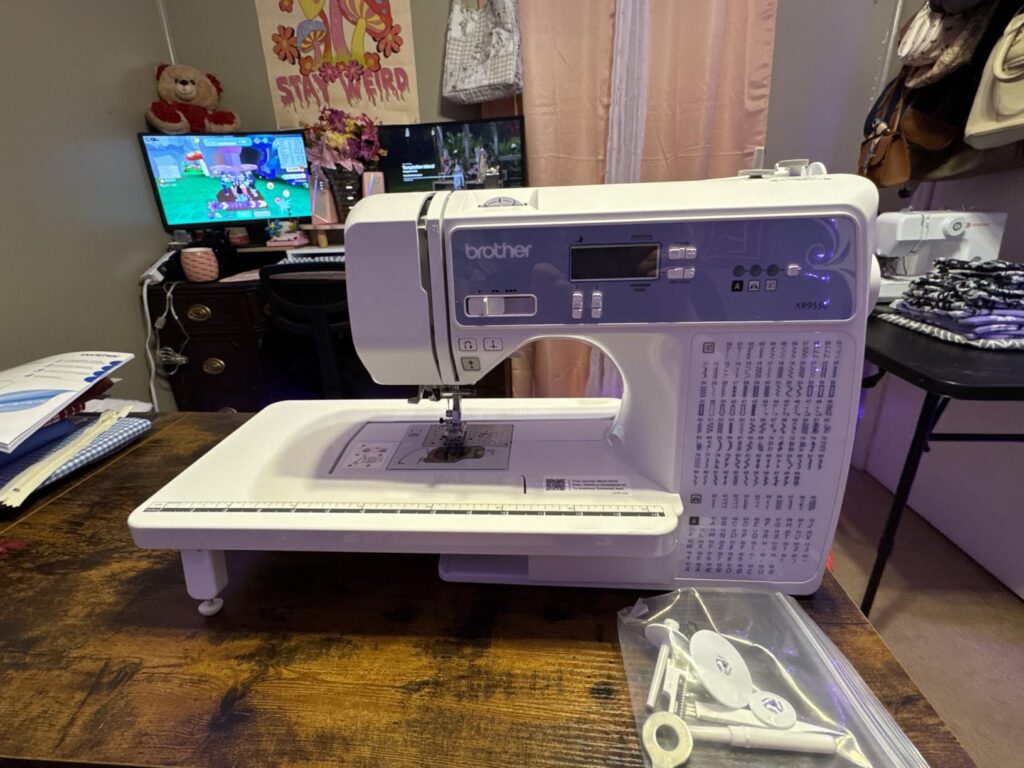
These machines are easier to use for beginners and offer creative freedom for experienced sewists. The only downside is that repairs can be costly if electronics fail.
Cost of Specialized Sewing Machines
- Quilting Machines: $400–$1200: wider work areas, precision control
- Embroidery Machines: $500–$3000: built-in designs, USB connectivity
- Serger/Overlock Machines: $300–$1000: professional edge finishes
- Heavy-Duty Machines: $400–$2000: strong motors, thick-fabric handling
Specialized machines are worth the investment if your goals include advanced projects or turning sewing into a business.
Hidden Costs You Should Know
Many buyers forget about:
✔ Maintenance and servicing (annual tune-ups help longevity)
✔ Replacement feet, needles, bobbins, and belts
✔ Specialized presser feet for quilting or embroidery
✔ Classes, tutorials, and patterns
These costs add up over time, so budgeting for extras ensures your machine stays useful and enjoyable.
Is a More Expensive Sewing Machine Worth It?
The short answer: Yes, if you sew often, use varied fabrics, or want creative freedom.
A $200 machine can be fine for basic seams, but if you sew dresses, quilts, canvas bags, or home décor regularly, spending $500–$900 improves your experience dramatically. You’ll spend less time fixing tension issues, unpicking stitches, and battling fabric jams.
How to Save Money on a Good Sewing Machine
You don’t always have to pay full price:
- Look for refurbished or open-box deals from reputable sellers
- Seasonal sales (Black Friday, New Year, Back-to-School)
- Value bundles with accessories included
- Trade-in programs at local sewing shops
Quality machines often go on sale regularly, patience pays off.
FAQs About Sewing Machine Pricing
How Much Does a Good Sewing Machine Cost for Beginners?
A good sewing machine for beginners usually costs between $100 and $300. These models offer essential stitches, easy controls, and enough durability for learning and basic projects.
How Much Should I Spend on a Sewing Machine for Regular Home Use?
For regular home sewing, expect to spend $300 to $600. Machines in this range provide better build quality, more stitch options, and smoother performance.
Are Expensive Sewing Machines Worth the Money?
Yes, expensive sewing machines are worth it if you sew frequently or work on advanced projects. Higher-priced models offer stronger motors, advanced features, and longer lifespans.
What Is the Price Range for High-End Sewing Machines?
High-end sewing machines typically cost between $500 and $1,500 or more. These machines are designed for advanced sewers and professionals, with computerized controls and precision features.
Can a Budget Sewing Machine Still Be Good Quality?
Yes, budget sewing machines under $200 can still be good quality for light use. However, they may have fewer features and a shorter lifespan compared to mid-range or high-end models.
Does Sewing Machine Price Affect Durability?
Generally, higher-priced sewing machines last longer because they use better internal components and stronger motors, especially in mechanical and professional-grade models.
Conclusion:
The cost of a good sewing machine depends on your experience level and how often you plan to sew. Beginners can find reliable machines at affordable prices, while serious hobbyists and professionals benefit from investing in mid-range or high-end models. Choosing the right sewing machine isn’t about buying the most expensive option, it’s about matching the price to your sewing needs, projects, and long-term goals.
