
Sewing machines are built to last, but their lifespan depends on factors like build quality, usage, and maintenance. Some machines can run smoothly for decades, while others may wear out much sooner if not properly cared for. Understanding how long do sewing machines last, what affects their durability, and how to maintain them can help you get the most value from your investment. In this guide, we’ll explain the average lifespan of sewing machines, signs it may be time for a replacement, and simple care tips to keep your machine working reliably for years.
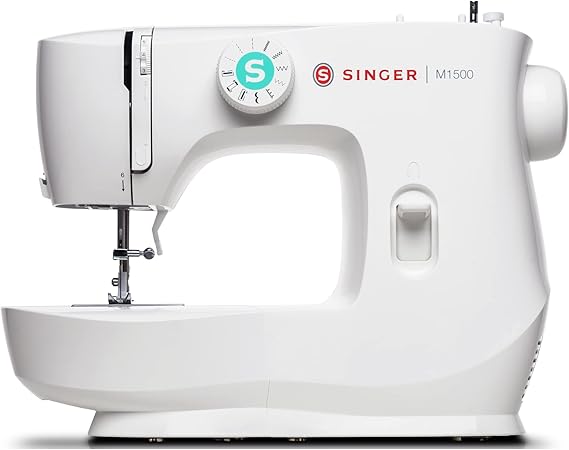
SINGER M1500 – Lightweight & Portable Sewing Machine
Beginner‑friendly mechanical sewing machine with 57 stitch applications, preset settings and LED light. Ideal for everyday mending and simple crafts.
Check PriceAverage Lifespan of Different Types of Sewing Machines
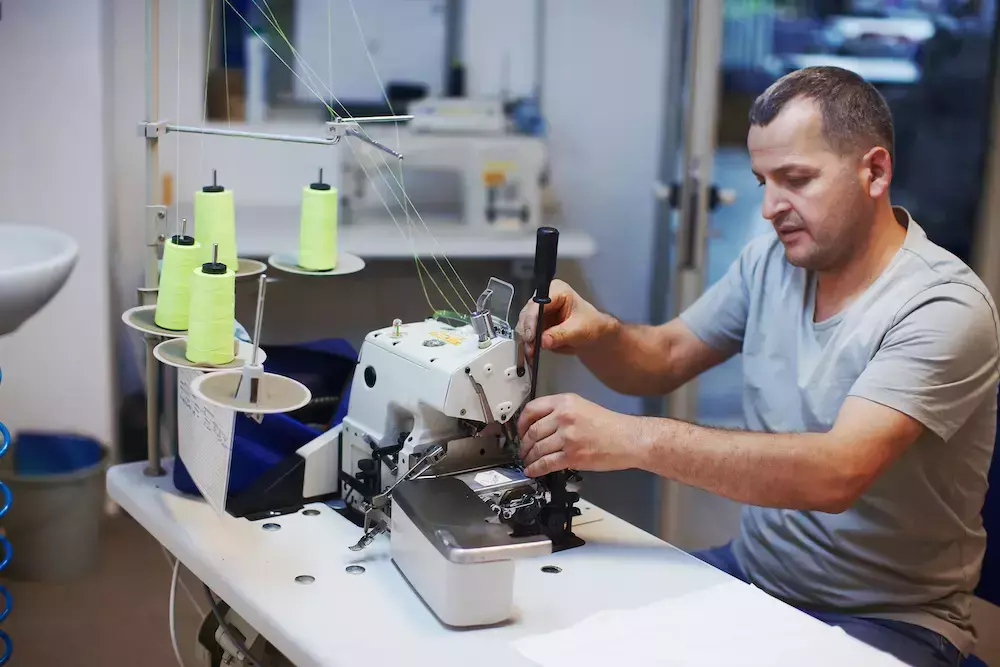
Mechanical sewing machines, often simpler in design, can last 20–30 years or more with proper care. Computerized sewing machines, though packed with features, generally last 10–15 years due to their electronic components. Industrial machines, designed for heavy-duty work, can last decades even under constant use. Vintage and hand-crank models, if well-maintained, can also serve for decades, though they’re usually more for occasional sewing or display. Each type has its advantages and lifespan expectations, depending on how you use it.
Factors Affecting Sewing Machine Longevity
Several factors determine how long your sewing machine will last. Frequent use, especially on thick or heavy fabrics, can wear parts faster. Low-quality or budget machines tend to wear out sooner compared to high-end brands sewing machines. Maintenance is critical, regular cleaning, oiling, and proper threading keep machines in top shape. Storage conditions, such as exposure to dust, humidity, or extreme temperatures, also impact longevity. Even the types of needles and thread used can influence the wear and tear on your machine’s internal mechanisms.
Signs Your Sewing Machine Is Aging
Knowing the signs of an aging sewing machine helps prevent sudden breakdowns. Machines that skip stitches, have uneven tension, or produce unusual noises are showing signs of wear. Difficulty threading, bobbin problems, or motor strain can indicate that key components are deteriorating. Older machines may also run slower or struggle with heavier fabrics compared to when they were new. Recognizing these signs early allows you to address maintenance needs or plan for replacement before major repairs are necessary.
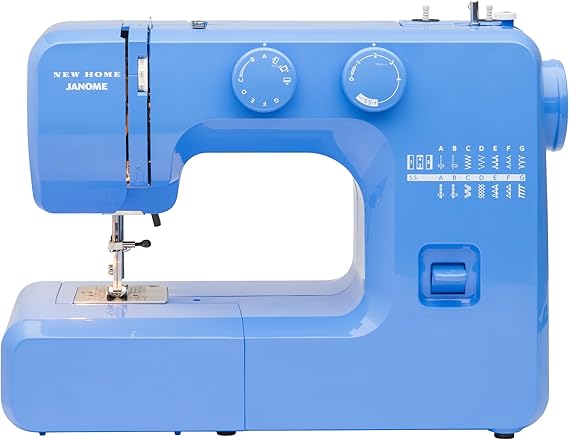
Janome Blue Couture – Easy‑to‑Use Sewing Machine
Beginner‑friendly Janome with 15 stitches, 4‑step buttonhole and interior metal frame, backed by clear manuals and tutorial videos.
Check PriceHow to Extend the Life of Your Sewing Machine
Extending your sewing machine’s life is easier than most people think. Regular cleaning and oiling of moving parts help prevent rust and friction damage. Using the right sewing machine oil and following a proper maintenance routine can make a big difference in long-term performance. If you’re not sure which lubricant to use, this guide on the best sewing machine oil explains what works best for different machines.
You can also follow this step-by-step tutorial on how to oil a sewing machine to avoid common mistakes. Using the correct needles and threads for your projects minimizes stress on the machine, while avoiding thick fabrics or forcing difficult stitches helps protect internal components. Proper storage in a dust-free, climate-controlled environment keeps parts from deteriorating, and professional servicing every few years ensures everything stays calibrated and functional.
When to Consider Replacing Your Sewing Machine
Even with good care, there comes a point when replacing a sewing machine is wiser than repairing it. Frequent breakdowns despite maintenance are a clear signal. Older machines may lack features necessary for modern sewing projects or quilting techniques. Repair costs that approach or exceed the price of a new machine are another factor. If you crave advanced capabilities like computerized patterns, embroidery, or automatic threading, upgrading may be the most practical solution. Knowing when to replace ensures you stay productive without frustration.
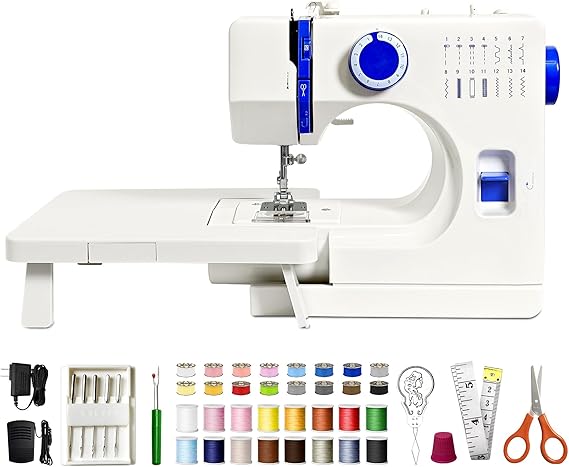
Lastempa All‑in‑One Sewing Machine for Beginners
Compact beginner machine with around 14–16 built‑in stitches, dual speed control, LED light and auto bobbin winder for light crafts and basic mending.
Check PriceFAQs
How Long Do Sewing Machines Last?
Most sewing machines last between 10 and 25 years. Well-maintained machines can last even longer, especially mechanical models.
Do Expensive Sewing Machines Last Longer?
Yes, higher-end sewing machines often last longer because they use stronger motors and higher-quality internal parts.
How Long Do Beginner Sewing Machines Last?
Beginner sewing machines usually last 5 to 10 years, depending on usage, maintenance, and build quality.
How Long Do Computerized Sewing Machines Last?
Computerized sewing machines typically last 5 to 15 years. Their lifespan depends heavily on electronic components and care.
Can a Sewing Machine Last a Lifetime?
Some mechanical sewing machines can last a lifetime if they are properly maintained and serviced regularly.
What Causes Sewing Machines to Wear Out Faster?
Lack of cleaning and oiling, using incorrect needles, sewing thick fabrics, and poor storage conditions can shorten lifespan.
How Can I Make My Sewing Machine Last Longer?
Regular cleaning, proper oiling, using the right needles and thread, and professional servicing help extend a sewing machine’s life.
When Should a Sewing Machine Be Replaced Instead of Repaired?
If repair costs are close to buying a new machine or parts are no longer available, replacement is usually the better option.
Comparison Table
| Machine Type | Average Lifespan | Maintenance Needs | Best Use |
| Mechanical | 20–30 years | Basic cleaning, oiling | Home sewing, beginners |
| Computerized | 10–15 years | Cleaning, software care | Advanced sewing, embroidery |
| Industrial | 20–50+ years | Regular professional service | Heavy-duty projects |
| Vintage/Hand-crank | 30+ years | Manual care, occasional servicing | Display, light sewing |
Conclusion
Sewing machines are long-term investments that can serve you for many years with the right care. Lifespan depends on the type of machine, usage, maintenance, and storage conditions. Recognizing signs of aging and performing routine maintenance can greatly extend performance. Knowing when to repair and when to replace ensures you continue sewing without interruption. By understanding these factors, you can make informed choices and enjoy smooth, reliable sewing for years to come.
