
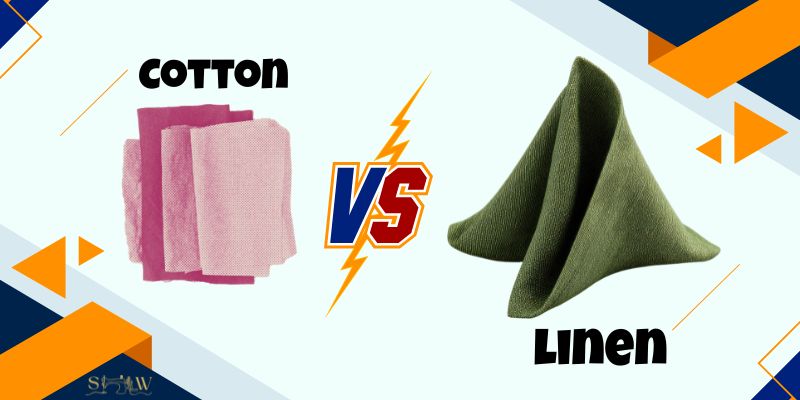
When it comes to choosing natural fabrics, cotton and linen are often the top two options. Both are breathable, plant-based, and widely used in clothing and home textiles. Yet, they feel very different, behave differently over time, and suit different lifestyles. Many people ask the same question: cotton vs linen, which one is actually better?
The honest answer is that neither fabric is universally “better.” Each has strengths that make it suitable for certain needs, climates, and preferences. This guide breaks down cotton and linen in a clear, practical way so you can decide which fabric works best for your everyday life.
What Is Cotton Fabric?

Aubliss 50pcs 100% Cotton Fabric Bundle
These 50 pcs fabric squares 100% cotton, are ideal for many sewing projects including quilts, cushion covers, costumes, wallets, purses, baby clothes, kids’ bedding, hand puppets, tablecloths and more.
Check PriceCotton is a natural fiber that comes from the cotton plant. It has been used for thousands of years and remains one of the most popular fabrics in the United States and around the world. The fibers grow in soft, fluffy bolls around the seeds of the plant and are spun into yarn to make fabric.
Cotton is widely appreciated for its softness and versatility. It can be woven or knitted into many types of fabric, from lightweight summer shirts to thick denim and cozy flannel. Because of this flexibility, cotton appears in almost every wardrobe and household.
Another reason cotton is so common is its comfort. It feels gentle on the skin, absorbs moisture well, and works for people with sensitive skin. From T-shirts and underwear to bedsheets and towels, cotton is often the default choice for daily use.
What Is Linen Fabric?

MWELLEWM 7 Pcs/Set Linen Needlework Fabric Solid Colour Cloth Garments Crafts
These fabrics are made of quality linen, soft touch and resistant Package includes 7 daily colors:white, beige, sky blue, light green, pink, navy, black
Check PriceLinen is made from the fibers of the flax plant, one of the oldest cultivated plants in human history. Unlike cotton, linen fibers are extracted from the stalk of the plant, which makes them naturally stronger and stiffer.
Linen fabric has a distinct texture that feels crisp at first but softens with use. It is known for its excellent airflow and ability to stay cool in hot and humid conditions. This is why linen clothing is strongly associated with summer wear, coastal living, and warm climates.
Although linen is less common than cotton, it is often seen as a premium fabric. It is frequently used in high-end clothing, table linens, curtains, and luxury bedding. Linen’s slightly wrinkled look is considered part of its character rather than a flaw.
Recommended Cotton Products on Amazon
1. Everyday Cotton T‑Shirt (Men)
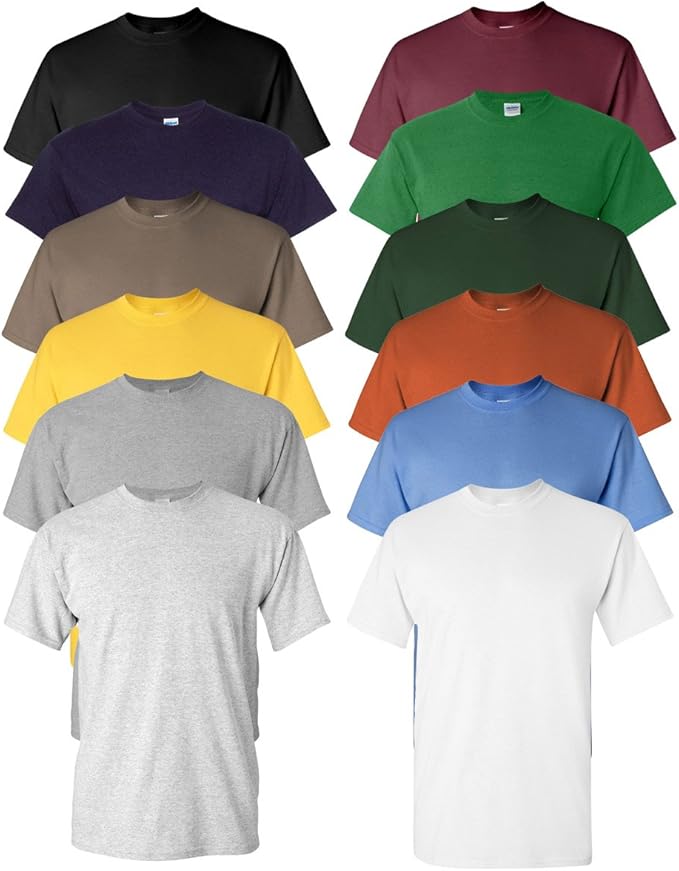
Gildan Men’s Heavy Cotton Tee (Pack of 12)
A solid, no‑frills workhorse T‑shirt for layering or daily wear. If you need multiple shirts for work, casual outfits, or printing, this multipack offers strong value.
Check Price2. Cool, Crisp Cotton Sheets (Queen)

RUVANTI 100% Cotton Sheets – Queen Size Percale Bedding
Percale weave gives these sheets a cool, crisp hotel‑style feel, ideal if you sleep warm but still want cotton. High review count and strong rating suggest consistent quality and comfort.
Check Price3. Affordable Cotton Pillowcases

Amazon Basics 400 Thread Count Cotton Pillow Case
Simple, soft, and durable pillowcases at a budget price, backed by a huge number of positive reviews. Great upgrade from generic pillowcovers without paying luxury prices.
Check Price4. Plush Cotton Bathroom Towels

Cotton Paradise 6 Piece Towel Set, 100% Cotton
A complete, soft, absorbent towel set with a track record. Ideal if you’re upgrading a bathroom or setting up a new home on a reasonable budget.
Check PriceRecommended Linen Products on Amazon
1. Premium Linen Sheet Set (King)

Simple&Opulence 100% Pure Linen Sheet Set King Size
If you sleep hot or want a high‑end feel, this set offers breathable, heavy‑duty linen designed to get softer over time. Excellent for a long‑term bedding upgrade.
Check Price2. Linen Pillowcases (Queen, Set of 2)

Simple&Opulence 100% French Linen Pillowcase Queen Size-Set of 2
A cost‑effective way to try linen in your bedding without buying a full set. Great breathability and durability, with a soft handfeel that improves with washing.
Check Price3. 100% Linen Bath Towel

100% Pure Flax Linen Bath Towel 25″x 52″
Linen towels are lightweight, quick‑drying, and less bulky than cotton, perfect for travel, the gym, or small bathrooms. This one is pure flax linen with strong user feedback.
Check Price4. Men’s 100% Linen Shirt

Kallspin Men’s 100% Linen Button Down Shirts Classic
A breathable summer shirt for casual or beach wear. Pure linen fabric keeps you cool, while the collared design looks polished enough for casual offices, dinners, or travel.
Check PriceCotton vs Linen: Key Differences at a Glance
The most noticeable difference between cotton and linen lies in how they feel and perform. Cotton is generally soft, smooth, and flexible right from the start. Linen feels firmer, more textured, and structured.
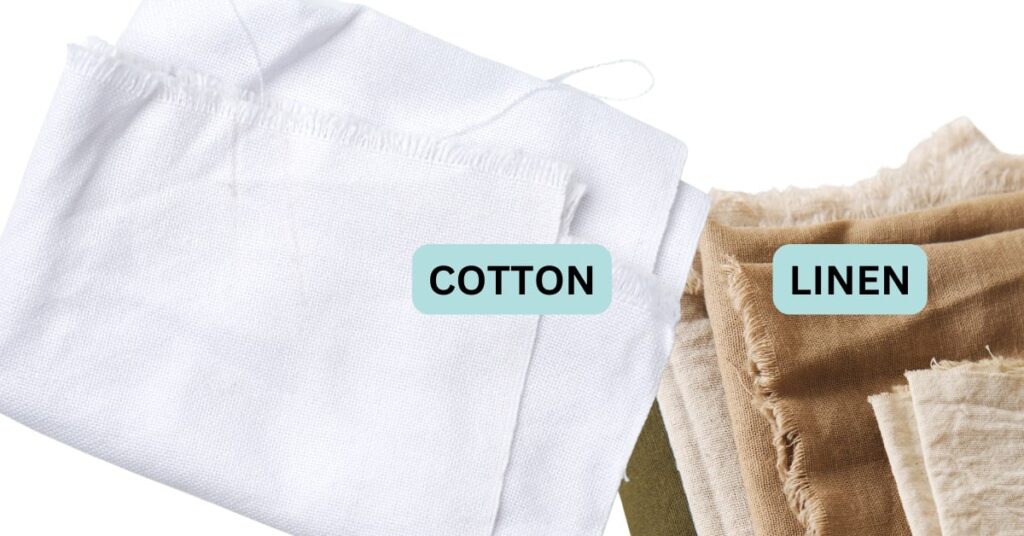
Cotton tends to drape easily on the body, while linen holds its shape more. Linen is usually more breathable and dries faster than cotton, making it ideal for hot weather. Cotton, on the other hand, offers better all-around comfort and is easier to care for.
Both fabrics are natural and breathable, but they serve different purposes depending on how and where you plan to use them.
| Feature | Cotton | Linen |
| Fiber Source | Cotton plant | Flax plant |
| Texture | Soft and smooth | Crisp, slightly textured |
| Comfort Level | Very comfortable from first wear | Improves with use and washing |
| Breathability | Good airflow | Excellent airflow |
| Moisture Absorption | High absorbency | Absorbs and dries quickly |
| Best for Hot Weather | Comfortable but can feel warm | Ideal for heat and humidity |
| Durability | Durable but wears over time | Extremely durable and long-lasting |
| Wrinkle Resistance | Moderate | Wrinkles easily |
| Ease of Care | Easy to wash and maintain | Needs gentle care and ironing |
| Seasonal Use | Suitable year-round | Best for spring and summer |
| Clothing Use | Everyday wear, basics, underwear | Summer outfits, relaxed tailoring |
| Home Textile Use | Towels, bedsheets, blankets | Bedding, curtains, table linens |
| Price Range | Affordable to mid-range | Mid-range to expensive |
| Sustainability | Depends on farming method | Generally more eco-friendly |
| Overall Best For | Daily comfort and convenience | Breathability and long-term use |
Comfort and Breathability Comparison
Comfort is often the deciding factor when choosing fabric. Cotton is naturally soft and becomes even softer after repeated washes. It feels smooth against the skin and does not irritate easily, which makes it suitable for everyday wear and sleepwear.
Linen is extremely breathable due to the structure of flax fibers. Air flows freely through the fabric, helping heat escape quickly. This makes linen one of the best choices for hot summers, especially in warm regions of the United States.
However, linen can feel slightly rough at first, particularly when new. Over time and with washing, it becomes much more comfortable. For people who prioritize softness from day one, cotton often feels more pleasant.
Durability and Longevity
When it comes to durability, linen has a clear advantage. Flax fibers are naturally strong, and linen fabric can last for many years if properly cared for. In fact, linen often becomes better with age, developing a softer feel while maintaining its strength.
Cotton is durable as well, but it generally wears out faster than linen. Cotton fibers can weaken over time, especially with frequent washing and drying at high temperatures. Thinner cotton fabrics may show signs of wear sooner.
If long-term use is your main concern, linen is a strong investment. Cotton, while durable, is better suited for items that are washed and replaced more frequently.
Maintenance and Care
Cotton is easy to care for, which is one reason it is so widely used. Most cotton items can be machine washed and dried without special handling. Wrinkles are manageable, and ironing is usually optional.
Linen requires more attention. It wrinkles easily, and many people either embrace this natural look or spend extra time ironing. Linen is best washed on gentle cycles and air-dried or tumble-dried on low heat to prevent damage.
For busy households, cotton is often more practical. Linen works best for people who are comfortable with a bit of extra care or who enjoy its relaxed, lived-in appearance.
Seasonal Use: Cotton vs Linen
Cotton works well throughout the year. Lightweight cotton is ideal for spring and summer, while thicker cotton fabrics provide warmth during fall and winter. This year-round versatility makes cotton a reliable choice for most climates in the U.S.
Linen shines in warm and humid weather. Its cooling properties make it especially popular in southern states and coastal regions. During colder months, linen can feel too cool unless layered properly.
If you want one fabric that adapts easily across seasons, cotton is more flexible. Linen is best reserved for warm-weather use.
Cotton vs Linen for Clothing
In clothing, cotton is the everyday staple. It is used for casual wear, workwear, underwear, and athletic basics. Cotton blends easily with other fibers and suits a wide range of styles.
Linen clothing is often associated with summer outfits, relaxed tailoring, and resort wear. Linen shirts, dresses, and pants offer a polished yet breathable option for hot days. While linen looks stylish, it is not always ideal for formal or wrinkle-free environments.
For daily wear and comfort, cotton is usually more practical. For warm-weather fashion with a natural texture, linen stands out.
Cotton vs Linen for Home Textiles
Cotton dominates home textiles in the U.S. Cotton bedsheets, towels, and blankets are popular because they are soft, absorbent, and easy to maintain. Cotton towels, in particular, perform better at absorbing moisture than linen.
Linen is often used for bedsheets, tablecloths, and curtains where airflow and texture matter more than absorbency. Linen bedding stays cool at night and works well for people who sleep hot.
In home décor, cotton focuses on comfort and convenience, while linen adds a more refined, airy feel.
Price and Value for Money
Cotton is generally more affordable and widely available. Prices vary depending on quality, but even high-quality cotton tends to be accessible for most budgets.
Linen costs more because flax is harder to grow and process. The higher price reflects its durability, breathability, and longevity. While linen requires a larger upfront investment, it can last longer when properly cared for.
If budget is a concern, cotton offers better short-term value. Linen offers better long-term value for those willing to invest.
Sustainability and Environmental Impact
Sustainability is an important factor for many consumers. Cotton farming requires significant water use, especially for conventional cotton. Organic cotton reduces chemical use but can still demand large amounts of water.
Linen is often considered more environmentally friendly. Flax plants require less water and fewer pesticides, and nearly the entire plant can be used during production.
For eco-conscious buyers, linen has a slight advantage, especially when sourced responsibly.
Pros and Cons of Cotton
Cotton’s biggest strengths are comfort, softness, and ease of care. It suits everyday use and works well for all age groups. However, it may wear out faster and can feel heavy in hot weather.
Cotton is ideal for people who value comfort, affordability, and low maintenance.
Pros and Cons of Linen
Linen excels in breathability, durability, and natural texture. It performs exceptionally well in hot climates and lasts for years. On the downside, it wrinkles easily and requires more careful handling.
Linen suits people who prefer natural fabrics, warm-weather comfort, and long-lasting quality.
Cotton vs Linen: Which One Should You Choose?
Choosing between cotton and linen depends on your lifestyle. If you want a soft, versatile fabric for daily use, cotton is the better option. It works well for clothing, bedding, and family-friendly environments.
If you live in a warm climate, value breathability, and appreciate a relaxed, natural look, linen is worth considering. Many people choose to use both fabrics for different purposes rather than sticking to just one.
How to Decide What’s Right for You
Choose Cotton If:
- You’re on a tighter budget and need basics (T‑shirts, towels, sheets).
- You want low‑maintenance fabrics for a busy household.
- You like a soft, familiar feel with minimal wrinkles.
Choose Linen If:
- You live in a hot or humid climate or run warm at night.
- You want investment pieces like long‑lasting bedding or premium summer clothes.
- You care about sustainability and don’t mind a natural, slightly wrinkled look.
Balanced Strategy:
- Use cotton for everyday towels, multipack T‑shirts, and casual dresses.
- Add key linen pieces where breathability and longevity matter most—like a linen sheet set, pillowcases, a summer shirt, or one linen dress.
Conclusion
Cotton and linen are both excellent natural fabrics, each with its own strengths. Cotton offers everyday comfort, affordability, and ease of care, making it a staple in American households. Linen provides superior airflow, durability, and a timeless texture that works best in warm conditions.
Instead of asking which fabric is better overall, it is more helpful to ask which fabric suits your needs right now. Understanding these differences allows you to make smarter, more satisfying choices in clothing and home textiles.
