
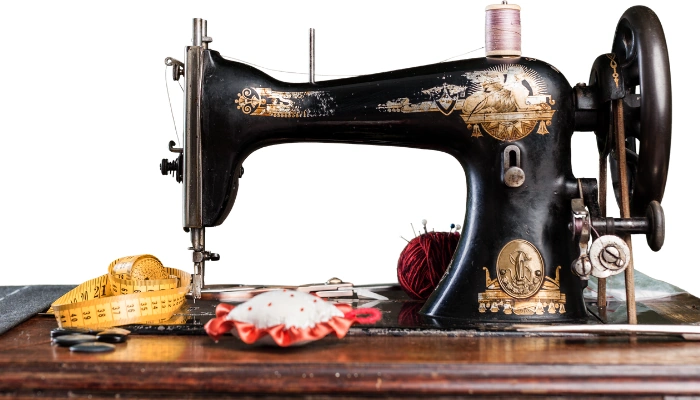
Vintage sewing machines are loved for their timeless design, durability, and simple mechanical operation. Many modern vintage-style machines combine the classic look with updated features, making them ideal for home sewing, décor, and collectors alike.
Below are the best vintage sewing machines available today, reviewed in detail to help you choose the right one for your needs.
Best Antique and Vintage Sewing Machines
Antique and vintage sewing machines are prized for their solid metal construction, long-lasting durability, and timeless design. Many of these classic machines were built to outlast modern models, making them a favorite among collectors and serious sewists alike. Whether you’re looking for a reliable mechanical machine or a beautifully crafted piece of sewing history, the best vintage sewing machines offer dependable performance and unmatched character.
1. Vintage Hand Crank Sewing Machine – Best Decorative Vintage Sewing Machine
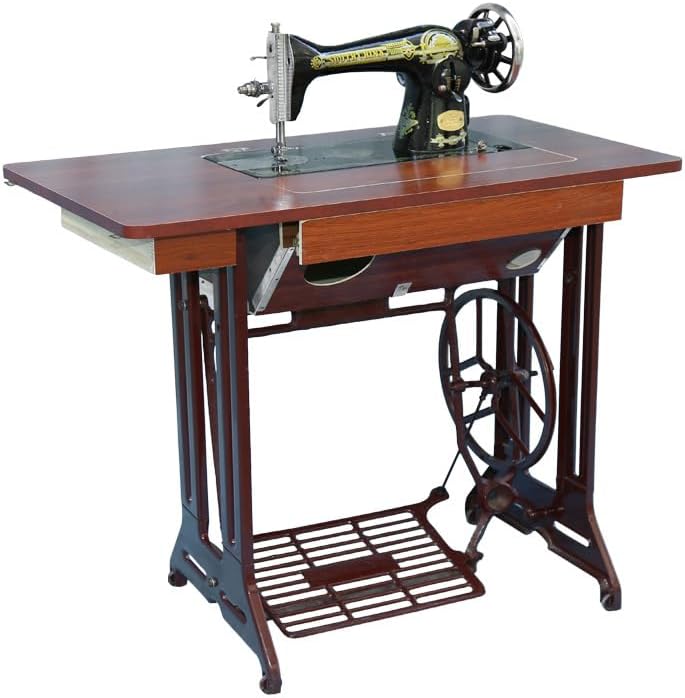
Vintage Sewing Machine Antique Foot Pedal Sewing Machine Manual Retro
This vintage hand crank sewing machine is designed to replicate the look and feel of early household sewing machines. Its solid metal body, ornate detailing, and traditional hand-operated mechanism give it an authentic antique appearance that appeals strongly to collectors and décor enthusiasts.
Check PriceThe hand crank system operates without electricity, which makes it both historically accurate and environmentally friendly. Users can experience manual stitch control while understanding how sewing was done before electric motors became standard in households.
Although the machine is capable of basic stitching on very light fabrics, it is not intended for continuous or heavy-duty sewing. The stitching mechanism focuses more on demonstration and visual authenticity rather than speed or stitch variety.
This machine is best suited for users who want a true vintage-style sewing machine for display, teaching, or occasional light sewing. It adds character to sewing rooms, boutiques, and craft spaces where aesthetics matter most.
Pros
- Authentic antique-style design
- No electricity required
- Durable metal construction
- Excellent for decorative use
Cons
- Limited sewing capability
- Not suitable for modern fabrics
Best Uses
- Decorative display
- Sewing education
- Vintage collections
2. Yamata Butterfly FY2-1 Mechanical Sewing Machine – Best Heavy-Duty Vintage Mechanical Machine
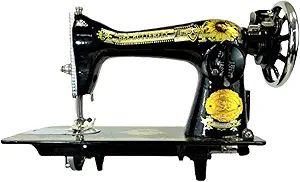
Yamata Bee Butterfly Flat Bed Mechanical Sewing Machine
The Yamata Butterfly FY2-1 is a classic mechanical sewing machine inspired by traditional industrial designs. It features a heavy metal body and simple mechanical controls, making it a favorite among users who prefer durability over digital features.
Check PriceThis machine is built to handle continuous sewing tasks and performs especially well on thicker materials such as denim, canvas, and upholstery fabrics. Its powerful motor and sturdy internal components reflect old-school sewing machine engineering.
Unlike modern computerized machines, the Yamata relies on manual adjustments for stitch length and tension. This allows experienced users to have full control over their sewing results without relying on preset programs.
The overall design emphasizes strength, longevity, and performance rather than decorative styling. It is an excellent choice for users who want a vintage-style sewing machine that actually works hard.
Pros
- Extremely durable metal body
- Strong motor for heavy fabrics
- Simple mechanical controls
- Long lifespan
Cons
- No automatic features
- Heavier and less portable
Best Uses
- Upholstery sewing
- Denim and canvas work
- Long sewing sessions
3. Foot-Operated Vintage Sewing Machine – Best Traditional Pedal Sewing Machine
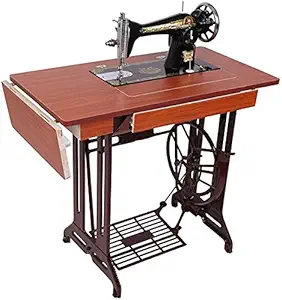
Sewing Machines Vintage Sewing Machine Household Foot
This foot-operated vintage sewing machine captures the traditional pedal-driven sewing experience that was common before electric machines. It is designed to operate smoothly using foot power, offering full control over sewing speed.
Check PriceThe mechanical system is simple yet effective, making it easy to maintain and understand. Users who enjoy traditional craftsmanship often prefer this type of machine due to its reliability and independence from electricity.
While it is capable of functional sewing, the machine performs best on light to medium-weight fabrics. Stitch consistency depends largely on the user’s foot control, which makes it a learning experience for beginners.
This machine is ideal for users who appreciate traditional sewing methods and want a machine that blends functionality with a true vintage feel.
Pros
- No electricity required
- Traditional pedal operation
- Simple mechanical system
- Authentic vintage experience
Cons
- Requires practice for speed control
- Limited stitch options
Best Uses
- Traditional sewing practice
- Light garment sewing
- Vintage-style workspaces
4. SINGER Vintage-Inspired Sewing Machine – Best Vintage Look With Modern Comfort
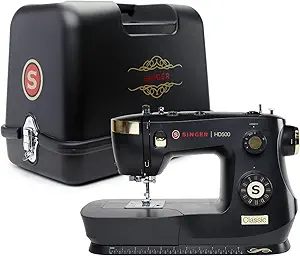
SINGER Vintage-Inspired Sewing Machine
When I first used this Singer vintage-inspired sewing machine, the design immediately stood out. It genuinely feels like a throwback with its retro curves and classic color palette, but once you start sewing, you quickly realize it behaves like a modern home machine. The balance between old-school style and present-day usability is very well done.
Check PriceIn actual sewing use, the machine runs smoothly on cotton, linen, and light denim without struggling. Stitch selection is simple and doesn’t feel overwhelming, which makes it comfortable even for longer sessions. The motor is quieter than older mechanical models, which is noticeable when sewing indoors for extended periods.
What I appreciated most during testing was how forgiving the machine felt. Minor threading mistakes or tension changes didn’t immediately ruin stitches, which is something beginners and casual users will value a lot. It doesn’t feel fragile, yet it isn’t overly industrial either.
This machine is clearly meant for people who love the vintage aesthetic but don’t want to fight with old mechanisms every time they sew. It works reliably for everyday projects while still looking beautiful on the table when not in use.
Pros
- Beautiful vintage-inspired design
- Smooth and quiet operation
- Beginner-friendly handling
- Reliable Singer stitch quality
Cons
- Not ideal for very thick fabrics
- Limited advanced customization
Best Uses
- Everyday home sewing
- Light garment making
- Craft and décor projects
Buyer Guide: How to Choose the Best Vintage Sewing Machine
Choosing the best vintage sewing machine is not just about looks; it’s about understanding how the machine performs, what type of sewing you plan to do, and how much maintenance you are willing to handle. Many people are drawn to vintage machines because of their solid metal construction and long-lasting durability, but not all vintage or vintage-style machines serve the same purpose.
First, decide whether you want a true mechanical vintage machine or a modern machine with a vintage look. True vintage machines are excellent for straight stitching and heavy fabrics, but they lack decorative stitches and automation. Vintage-style machines offer a balance, combining classic aesthetics with modern features like stitch variety and easier threading.
Second, consider the fabric types you will work with most often. If you plan to sew denim, canvas, or upholstery, a heavy-duty vintage or mechanical machine is essential. Lighter vintage-inspired machines are better suited for cotton, linen, and basic garment sewing rather than thick or layered fabrics.
Lastly, think about maintenance and availability of parts. Older machines may require oiling, tuning, and occasional repairs. Choosing a model with easily available parts and accessories will save time, money, and frustration in the long run.
Vintage vs Modern Sewing Machines
Design & Build Quality
Vintage machines are often made with heavy metal parts and mechanical components, giving them a solid, long-lasting build. Modern machines use lighter materials, with more plastic and electronic components, which can make them easier to move but sometimes less durable.
Features
Vintage machines tend to focus on essential sewing functions with straightforward controls. Modern machines offer advanced features like automatic threading, LCD screens, built-in stitches, and embroidery functions.
Maintenance & Repairs
Vintage machines are usually easier to repair on your own because of simple mechanics. Modern machines sometimes require professional servicing, especially if they have computerized components.
Sewing Performance
Both types can sew very well, but modern machines often excel at specialized tasks (quilting, stretch fabrics, embroidery) thanks to technical features. Vintage machines shine in basic stitching and durability.
Cost & Value
Vintage machines can be affordable and are often valued for collectible appeal. Modern machines can range from budget to high-end prices depending on features and technology.
Comparison Table: Best Vintage Sewing Machines
| Feature | True Vintage Machines | Vintage-Style Modern Machines |
| Build Quality | Solid metal, extremely durable | Mixed metal and plastic |
| Stitch Variety | Usually straight stitch only | Multiple utility & decorative stitches |
| Ease of Use | Requires learning & practice | Beginner-friendly controls |
| Maintenance | Regular oiling & servicing | Low maintenance |
| Best For | Heavy fabrics, collectors | Daily home sewing |
Who Should Buy a Vintage Sewing Machine
Vintage sewing machines are ideal for sewists who value durability and simplicity over digital features. If you enjoy hands-on sewing and want a machine that feels mechanical and powerful, a vintage model can be incredibly satisfying to use.
They are also perfect for creative professionals and hobbyists who frequently work with thicker fabrics. Unlike many modern lightweight machines, vintage machines rarely struggle with fabric layers and maintain consistent stitch quality.
However, beginners who prefer automatic settings and stitch selection may feel more comfortable starting with a vintage-style modern machine rather than a true antique model.
Common Mistakes to Avoid When Buying a Vintage Sewing Machine
One of the biggest mistakes buyers make is choosing a machine based purely on appearance. A beautiful antique machine may look impressive but could lack functionality or require extensive restoration before it can be used reliably.
Another common issue is ignoring replacement part availability. Some older machines have discontinued parts, making repairs expensive or impossible. Always research whether belts, needles, bobbins, and feet are easily accessible.
Finally, many users underestimate the learning curve. Vintage machines require manual adjustments and patience. If you want instant plug-and-play sewing, a fully mechanical vintage machine may not be the right fit.
FAQs About Vintage Sewing Machines
What Makes a Sewing Machine Antique or Vintage?
Antique and vintage sewing machines are older models, typically made before the 1980s, with metal parts and mechanical mechanisms. These machines were built to last and often have classic design features.
Are Vintage Sewing Machines Still Reliable Today?
Yes, many vintage sewing machines are still reliable when cleaned and serviced. Their solid metal frames and simple mechanics make them durable and long-lasting.
Do Vintage Sewing Machines Work as Well as Modern Ones?
Vintage machines can perform basic and even advanced sewing tasks well, but they may lack modern conveniences like automatic threading or computerized stitch menus.
Is It Hard to Find Parts for Antique Sewing Machines?
Parts can be harder to find for older machines, depending on the brand and model. Some popular vintage brands still have aftermarket parts available, but rare machines may require custom servicing.
Are Vintage Sewing Machines Good for Beginners?
Vintage sewing machines can be great for beginners who want a simple, sturdy machine. However, beginners may miss modern features like automatic buttonholes or speed controls that make learning easier.
Conclusion: Is a Vintage Sewing Machine Worth It?
A vintage sewing machine is absolutely worth it if you value strength, longevity, and a timeless sewing experience. These machines are built to last decades and often outperform modern lightweight models when it comes to stitching power and consistency.
Whether you choose a true antique model or a vintage-inspired modern machine, the key is matching the machine to your sewing goals. With proper care and understanding, a vintage sewing machine can become a reliable, long-term companion for both creative and practical sewing projects.
