
Choosing the best sewing machine needle is one of the most important and often overlooked, parts of sewing. Even the best fabric and thread can fail if the needle is wrong for the job. A good needle ensures smooth stitching, prevents skipped stitches, protects your fabric, and keeps your machine running efficiently. Whether you’re sewing lightweight cotton, denim, knits, or doing everyday home projects, the correct needle size and type make a noticeable difference.
Below, you’ll find a carefully selected list of reliable sewing machine needles, explained in detail so you can confidently choose the right option for your needs.
1. Universal Sewing Machine Needles – Compatible with Brother & Others (HAX1)
Needle Type and Design
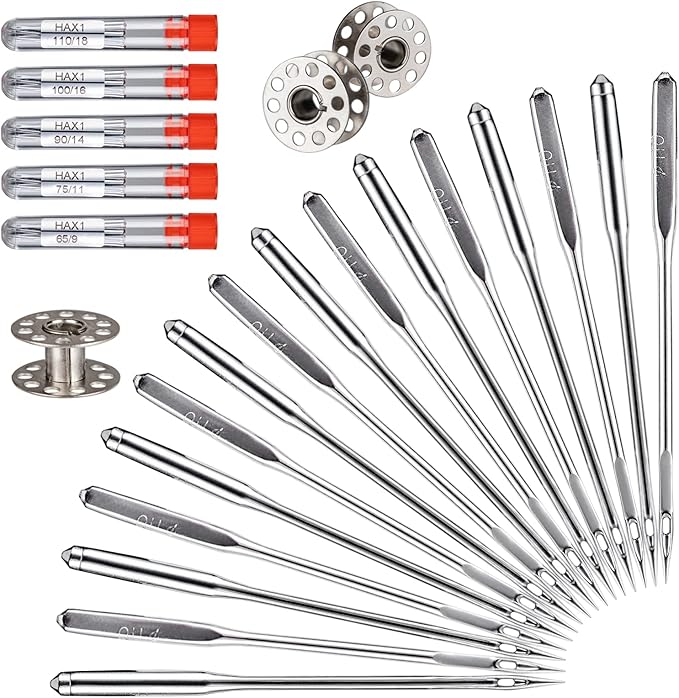
These are universal sewing machine needles, designed to handle a wide range of fabrics. The slightly rounded tip allows the needle to pass smoothly through woven and knit fabrics without damaging fibers. This makes them a dependable option for everyday sewing tasks.
Needle Sizes and Fabric Compatibility
This pack typically includes common sizes such as 75/11 and 90/14, which work well for light to medium-weight fabrics. Size 75/11 is ideal for cotton, quilting fabric, and light blends, while 90/14 handles thicker materials like linen, twill, and light denim more comfortably.
Stitch Quality and Performance
The needle eye is well-shaped, allowing thread to pass through without fraying. This reduces skipped stitches and thread breakage, especially during longer sewing sessions. The shaft strength provides stable penetration even at moderate sewing speeds.
Best Use Cases
These needles are well-suited for beginners, home sewers, and general-purpose sewing. They perform reliably on garments, household repairs, and basic craft projects.
Pros:
- Suitable for many fabric types
- Smooth penetration with minimal skipped stitches
- Works with most household sewing machines
- Good balance between sharpness and durability
Cons:
- Not specialized for heavy denim or leather
- May need frequent changing for thick fabrics
2. Schmetz Universal Sewing Machine Needles – Assorted Sizes
Precision Engineering
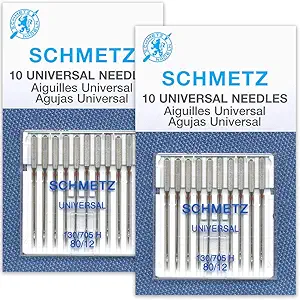
These universal needles are manufactured with high precision, ensuring consistent needle diameter and tip shape. This level of accuracy helps maintain even stitch formation across different fabric types.
Size Range and Versatility
The assorted pack usually includes 70/10, 80/12, and 90/14, giving you flexibility for both lightweight and medium-weight materials. Smaller sizes work beautifully for delicate fabrics, while larger sizes handle thicker textiles without stressing the thread.
Sewing Experience
The polished needle surface reduces friction, allowing smooth fabric movement and cleaner stitches. This is especially helpful when sewing continuously or working on garments that require neat seam finishes.
Who Should Use These
These needles are ideal for sewers who frequently switch between fabric types and want consistent results without constantly changing needle brands.
Pros:
- Wide size range for different fabrics
- Smooth stitching with reduced fabric drag
- Reliable stitch consistency
- Long-lasting needle strength
Cons:
- Universal tip may not be ideal for stretch-heavy knits
- Premium quality may feel unnecessary for very casual sewing
3. Universal Sewing Machine Needles Set (65/9 to 110/18)
Broad Size Coverage
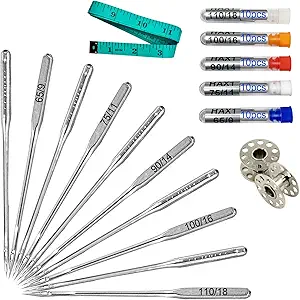
This needle set stands out because of its extended size range, typically including 65/9, 75/11, 90/14, 100/16, and 110/18. This allows you to move from very lightweight fabrics to thicker materials without needing separate needle packs.
Performance Across Fabric Types
Smaller sizes are excellent for thin cottons and delicate fabrics, while larger sizes can handle canvas, upholstery fabric, and heavy layers. The universal tip adapts well to most woven materials.
Durability and Stitch Control
The thicker needles in this set offer strong penetration power, reducing needle deflection on dense fabrics. This improves stitch accuracy and lowers the risk of uneven seams.
Practical Value
For home sewers who like to be prepared for different projects, this variety pack offers flexibility and convenience.
Pros:
- Covers nearly all common fabric weights
- Useful for both light and heavy sewing projects
- Reduces the need to buy multiple needle packs
- Strong shaft on larger sizes
Cons:
- Not all sizes may be used regularly
- Universal tip not ideal for specialty fabrics
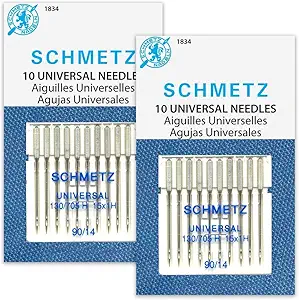
4. SCHMETZ Universal Household Sewing Machine Needles
Needle Construction and Precision
These universal sewing machine needles are designed with a carefully balanced tip and shaft structure that allows smooth fabric penetration without tearing or excessive resistance. The needle surface is finely polished, which reduces friction as the needle moves through the fabric layers. This results in more consistent stitch formation and less stress on both thread and machine.
Needle Sizes and Fabric Handling
This set usually includes commonly used sizes such as 80/12 and 90/14, making it suitable for a wide range of sewing projects. Size 80/12 works well with lightweight to medium cottons, quilting fabric, and blends, while 90/14 provides extra strength for thicker fabrics like linen, twill, and layered seams. The universal tip adapts well to woven fabrics and light knits.
Stitch Quality and Sewing Experience
During regular sewing, these needles maintain even stitch tension and help reduce skipped stitches. The eye is shaped to allow smooth thread flow, which minimizes thread fraying and breakage. This is especially helpful during long sewing sessions or when working on garments that require steady seam quality.
Ideal Use Cases
These needles are ideal for garment sewing, quilting, home décor projects, and everyday repairs. They suit sewers who want dependable performance without switching needle types frequently.
Pros:
- Smooth fabric penetration with reduced friction
- Reliable stitch consistency on most fabrics
- Durable needle build for regular use
- Easy compatibility with household machines
Cons:
- Not specialized for stretch or heavy denim
- Limited size range in some packs
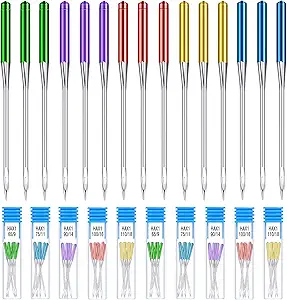
5. Universal Sewing Machine Needles – Regular Type (Multi-Machine Compatible)
Universal Fit and Stability
These needles are built with a standard universal shank, allowing them to fit securely into most household sewing machines. Once installed, they remain stable during sewing, reducing vibration and needle movement that can affect stitch accuracy.
Needle Sizes and Practical Use
The pack typically includes 75/11 and 90/14, covering light to medium sewing needs. Size 75/11 is suitable for lightweight cottons and craft fabrics, while 90/14 handles thicker layers without bending or deflecting.
Performance During Sewing
The needle eye is designed to guide thread smoothly, reducing tension-related issues. Stitch formation remains even, and fabric layers feed consistently without dragging or puckering.
Best For
These needles are well-suited for everyday sewing, hemming, simple garment construction, and household projects where reliability matters more than specialization.
Pros:
- Easy compatibility with many machines
- Good stitch balance for everyday sewing
- Smooth thread flow through the eye
- Practical option for routine projects
Cons:
- Not ideal for specialty fabrics
- May dull faster on very thick materials
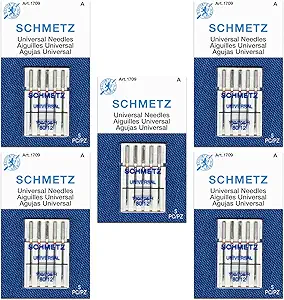
6. Schmetz Universal Sewing Machine Needles – Medium Fabric Focus
Optimized Needle Shape
These needles are engineered to provide clean penetration through medium-weight fabrics while protecting fabric fibers. The rounded universal tip allows controlled entry without snagging threads.
Sizes and Fabric Range
Most sets include 80/12 and 90/14, which are ideal for poplin, linen, polyester blends, and light denim. This size range makes the needles highly practical for garment sewing and quilting.
Stitch Accuracy and Control
The polished surface reduces resistance, helping the fabric move evenly under the presser foot. This results in neat seams, consistent stitch length, and reduced skipped stitches.
Suitable Projects
These needles are a solid choice for clothing construction, home décor sewing, and structured fabric projects that require clean, durable seams.
Pros:
- Excellent control on medium-weight fabrics
- Smooth stitching with minimal resistance
- Durable needle shaft
- Reliable performance for frequent sewing
Cons:
- Less effective on very lightweight fabrics
- Not designed for heavy-duty materials
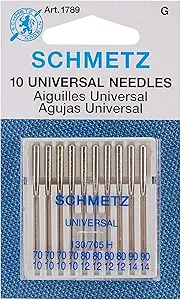
7. Euro-Notions Universal Machine Needles
Simple and Functional Design
These needles focus on dependable performance rather than complexity. The universal tip and balanced shaft make them easy to use for everyday sewing needs.
Needle Sizes and Fabric Compatibility
Typically available in 80/12 and 90/14, they perform well on cottons, blends, and medium-weight fabrics. The tip allows smooth penetration without pulling fabric fibers.
Sewing Performance
Stitch formation remains stable, and the needles handle straight and zigzag stitches effectively. They are especially suitable for basic sewing tasks where consistency is key.
Best Use Scenarios
Ideal for beginners, casual sewers, and those working on simple garments, alterations, and household repairs.
Pros:
- Easy to install and use
- Consistent stitch performance
- Suitable for everyday projects
- Beginner-friendly option
Cons:
- Limited size options
- Not suitable for specialty sewing
8. Singer Universal Sewing Machine Needles – Multi-Pack
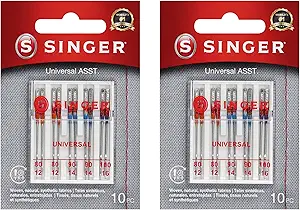
Versatile Needle Selection
This multi-pack offers a mix of commonly used universal needle sizes, making it convenient for sewers who work with different fabrics.
Needle Sizes Included
Usually includes 70/10, 80/12, and 90/14, allowing smooth transitions from lightweight to medium-weight fabrics.
Sewing Performance
These needles deliver clean stitches and stable penetration. They work well for everyday garment sewing, quilting, and basic decorative stitches.
Who Should Use Them
A practical choice for home sewers who want variety without purchasing separate packs.
Pros:
- Good range of commonly used sizes
- Suitable for many fabric types
- Reliable everyday performance
- Easy replacement availability
Cons:
- Universal design limits specialty use
- May wear faster on dense fabrics
9. SCHMETZ Universal Household Sewing Machine Needles – Mixed Size Pack
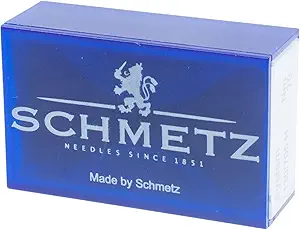
High-Precision Manufacturing
These needles are produced with strict quality control, ensuring consistent diameter, sharpness, and durability. This precision helps maintain even stitching across projects.
Needle Size Range
Mixed packs typically include 70/10, 80/12, and 90/14, offering flexibility for light to medium fabrics.
Stitch Quality and Reliability
The needle eye and groove are shaped to guide thread smoothly, reducing breakage and improving stitch clarity. Fabric feeds evenly, minimizing puckering.
Ideal Projects
Well-suited for garments, quilting, and everyday sewing where dependable stitch quality is required.
Pros:
- High consistency and precision
- Smooth thread flow
- Versatile size selection
- Durable for regular use
Cons:
- Not suitable for heavy-duty fabrics
- Universal tip limits stretch performance
Comparison Table: Best Sewing Machine Needles at a Glance
| Product Name | Needle Type | Sizes Included | Best For | Skill Level |
| Universal HAX1 Compatible Needles | Universal | 75/11, 90/14 | Everyday sewing, home projects | Beginner–Intermediate |
| Schmetz Universal (Assorted) | Universal | 70/10, 80/12, 90/14 | Mixed fabric sewing | All levels |
| Universal Size Range Set | Universal | 65/9 to 110/18 | Light to heavy fabrics | Intermediate |
| SCHMETZ Household Universal | Universal | 80/12, 90/14 | Garments, quilting | All levels |
| Regular Universal Needles | Universal | 75/11, 90/14 | Routine sewing | Beginner |
| Schmetz Medium Fabric Needles | Universal | 80/12, 90/14 | Linen, blends, poplin | Intermediate |
| Euro-Notions Universal | Universal | 80/12, 90/14 | Simple sewing tasks | Beginner |
| Singer Universal Multi-Pack | Universal | 70/10–90/14 | General household sewing | Beginner–Intermediate |
| SCHMETZ Mixed Size Pack | Universal | 70/10–90/14 | Clean, consistent stitching | All levels |
Why Choosing the Right Sewing Machine Needle Matters
Many sewing problems don’t start with the sewing machine or thread; they start with the wrong needle. Using an incorrect needle size or type can lead to skipped stitches, fabric damage, uneven seams, and thread breakage. A properly matched needle allows the thread to move smoothly, penetrates fabric cleanly, and maintains balanced tension throughout the stitch.
Needle size directly affects how the fabric reacts during sewing. A needle that’s too thick can leave visible holes or weaken fabric fibres, while one that’s too thin may bend, break, or fail to form proper stitches. Choosing the right needle improves stitch quality, extends machine life, and makes sewing more enjoyable and predictable.
Common Sewing Machine Needle Problems & Simple Fixes
Even experienced sewers run into stitching problems from time to time, and in many cases, the needle is the real cause. Understanding common needle-related issues can save you hours of frustration and help protect both your fabric and your sewing machine.
Skipped Stitches
Cause:
Skipped stitches usually occur when the needle is dull, damaged, or the wrong size for the fabric being sewn. A needle that is too small may fail to catch the thread properly, while a worn needle tip can slide past fabric fibers instead of penetrating them cleanly.
Fix:
Replace the needle with a new one and make sure the size matches your fabric weight. Lightweight fabrics require smaller needles, while thicker materials need stronger, larger sizes. Simply changing the needle often restores smooth, even stitching immediately.
Fabric Pulling or Snagging
Cause:
When fabric gets pulled into the needle plate or shows visible snags, the needle is often too thick or too sharp for the material. Delicate fabrics are especially vulnerable to damage from oversized needles.
Fix:
Switch to a smaller universal needle that suits the fabric’s weight. For finer materials, reducing needle size allows cleaner penetration without stressing or tearing the fabric fibers.
Thread Breaking Frequently
Cause:
Frequent thread breakage is commonly caused by a damaged needle eye or one that is too small for the thread being used. Rough edges inside the eye can fray the thread as it passes through, causing repeated snapping during sewing.
Fix:
Replace the needle with a fresh one that has a smooth, properly sized eye. Ensure your thread weight matches the needle size to allow smooth thread movement without resistance.
Uneven or Messy Stitches
Cause:
Uneven stitches often result from a bent needle or incorrect needle installation. Even a slight bend can throw off stitch timing, leading to inconsistent stitch length and tension problems.
Fix:
Remove the needle and insert a new one correctly, ensuring it is pushed all the way up into the needle clamp and secured firmly. Proper installation restores stitch balance and improves seam appearance.
Buyer’s Guide: How to Choose the Best Sewing Machine Needle
Choosing the right sewing machine needle doesn’t have to be confusing. By focusing on a few key factors, you can dramatically improve stitch quality and avoid common sewing issues.
1. Match Needle Size to Fabric Weight
Needle size should always correspond to fabric thickness:
- 65/9 – 70/10: Best for lightweight fabrics like voile, chiffon, and thin cotton
- 75/11 – 80/12: Ideal for quilting cotton, blends, and everyday garment fabrics
- 90/14: Suitable for linen, medium denim, and layered seams
- 100/16 – 110/18: Designed for heavy fabrics such as canvas, upholstery, and thick textiles
Using the correct size helps prevent puckering, fabric damage, and needle breakage.
2. Choose the Right Needle Type
Universal needles are the most versatile and work well for most woven fabrics and basic sewing projects. However, specialty fabrics perform better with matching needle types. Ballpoint needles protect knit fabrics from damage, while stretch needles reduce skipped stitches on elastic materials. Selecting the correct type improves stitch reliability and fabric handling.
3. Replace Needles Regularly
Sewing machine needles wear out faster than many people realize. After 8–10 hours of sewing, needle tips can become dull or slightly bent, even if damage isn’t visible. Regular replacement ensures clean penetration, consistent stitching, and reduced strain on your machine.
4. Don’t Ignore Brand Consistency
Well-manufactured needles maintain consistent size, strength, and polish. This consistency allows smoother thread flow and predictable stitching results. Sticking with reliable needle construction helps reduce troubleshooting and improves overall sewing efficiency.
Frequently Asked Questions (FAQs)
What is the best sewing machine needle for beginners?
Universal needles in sizes 80/12 or 90/14 are ideal for beginners because they work with most fabrics.
How often should I change my sewing machine needle?
Change it after every major project or when stitches start to look uneven.
Can I use one needle for all fabrics?
Universal needles work for many fabrics, but heavy or stretchy materials need specialized needles.
Why does my needle keep breaking?
This usually happens due to incorrect needle size, sewing over pins, or using a dull needle.
Does needle size affect stitch quality?
Yes. The wrong size can cause skipped stitches, puckering, or thread damage.
Conclusion
Finding the best sewing machine needle is less about brand loyalty and more about understanding your fabric, thread, and project needs. The right needle ensures smooth stitching, protects your fabric, and saves time by preventing common sewing frustrations.
Whether you’re sewing garments, quilting, or handling everyday repairs, choosing the correct needle size and replacing it regularly will dramatically improve your results. A small change in needle choice can make a big difference in how professional and polished your sewing projects look.
