
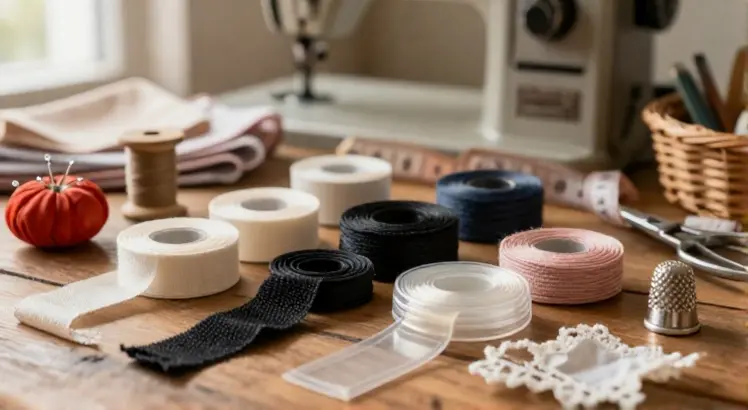
Elastic bands are essential notions for many sewing projects. They provide stretch, comfort, and shape to waistbands, cuffs, and activewear. This guide explores the main types of elastic bands for sewing and how to choose the right one.
What Are Elastic Bands for Sewing?
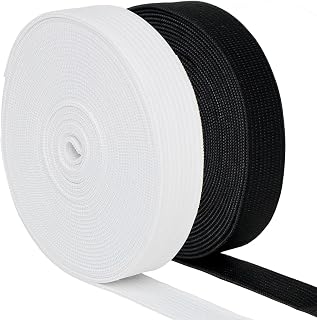
5/8 Inch Elastic Band, 2 Rolls (Black & White)
Check PriceElastic bands for sewing are narrow strips of stretchable material. They can be braided, knitted, or woven. Sewists use them to create fitted areas in garments. Common applications include waistbands, sleeves, and leg openings.
A good elastic band should return to its original shape after stretching. This property is known as recovery. Elastic materials also resist wear from heat and washing. Choosing the right type prevents sagging and discomfort.
Synthetic elastics often use polyester or spandex cores. The outer layer can be cotton, nylon, or polypropylene. You can learn more about elastic textile history from this Britannica reference.
Braided Elastic Bands
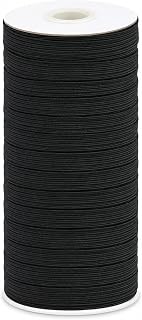
Flat Elastic Band, 3/8 inch 50 Yards (Black)
Check PriceBraided elastic is a lightweight option with visible vertical ribs. It narrows when stretched and loses stretch if sewn through. This type works best in casings rather than direct stitching. Use it for sleeve cuffs and necklines.
Braided elastic can become brittle over time. It is not the best choice for waistbands that need strong recovery. However, it is affordable and easy to find. Many sewists keep it on hand for quick projects.
Knitted Elastic Bands
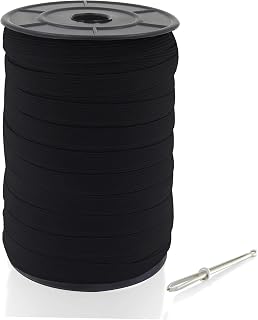
1/2 Inch 100 Yard Black Baraded Elastic Cord
Check PriceKnitted elastic is soft and stays flexible even when stretched. It does not narrow as much as braided elastic. This makes it comfortable for waistbands and pajama pants. It can be sewn directly to fabric without losing stretch.
Knitted elastic often has a smooth surface. It may be slightly thicker than other types. It is a great choice for children’s clothing and loungewear. It holds up well to repeated washing.
Woven Elastic Bands
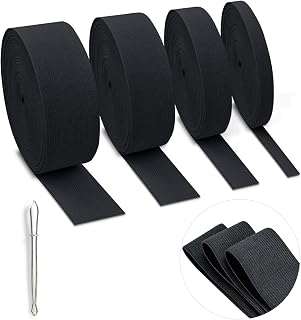
4 Rolls Elastic for Sewing, 0.4/0.6/1/1.5 Inch (Black)
Check PriceWoven elastic is firm and strong. It does not narrow when stretched and keeps its width. This type supports heavier fabrics like denim and canvas. Use it for belts, outerwear, and tailored waistbands.
Woven elastic can feel less stretchy than knitted or braided. It is ideal for projects that need structure. It can be stitched directly to fabric or inserted into a casing. It is usually more durable than other options.
Clear Elastic Bands
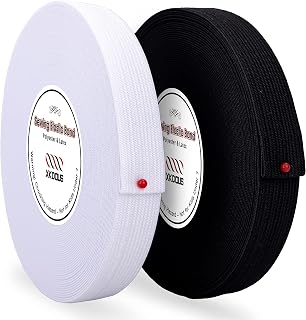
XKDOUS Elastic Band, 0.75 Inch 16 Yards (2 Rolls)
Check PriceClear elastic is transparent and very thin. It has excellent stretch and recovery. This type is often used to stabilize knit seams. It works well in swimwear, activewear, and stretchy necklines.
Clear elastic can be sewn directly onto seams to prevent gaping. It is soft against the skin and dries quickly. It is not visible on light colored fabrics. Use it for shoulder seams and waistline support.
Swim Elastic Bands
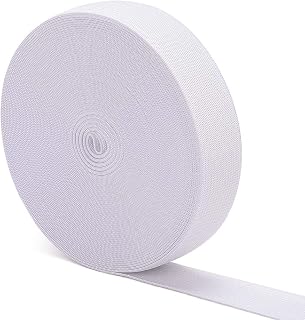
Airisoer Elastic Bands, 1 Inch x 12 Yards (White)
Check PriceSwim elastic is made to resist chlorine, salt water, and sunscreen. It remains strong after many hours in the pool. This type is essential for swimwear and rash guards. It also works for cloth diapers and wet bags.
Swim elastic is often cotton free to prevent rotting. It has a firm stretch and excellent recovery. Use a ballpoint needle when sewing swim fabrics. Pair it with polyester thread for best results.
Fold Over Elastic Bands
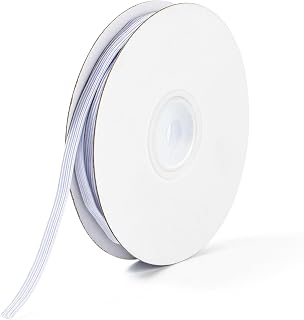
XKDOUS Elastic Band, 1/4 Inch 11 Yards (White)
Check PriceFold over elastic, often called FOE, has a crease down the center. It folds over the edge of fabric and is stitched in place. This elastic adds a decorative and soft finish to edges. It is popular for headbands, underwear, and baby garments.
FOE comes in many colors and prints. It can be used to bind knit edges without a hem. It is also comfortable enough for intimate apparel. Sew it with a stretch stitch or a serger.
Cord Elastic Bands
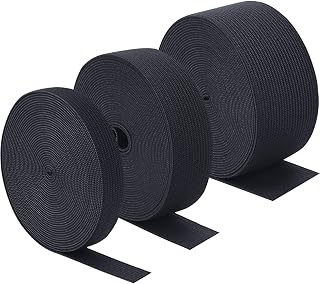
Sunmns 3 Rolls Sewing Stretch Elastic Band Spool (Black)
Check PriceCord elastic is round instead of flat. It is typically used for drawstrings, masks, and adjustable straps. This type is available in various thicknesses. It can be threaded through casings or used as a tie.
Cord elastic is stretchy and easy to knot. It is not suitable for wide waistband support. It works well for light gathering and adjustable closures. Keep several thicknesses in your sewing kit.
Specialty Elastic Bands
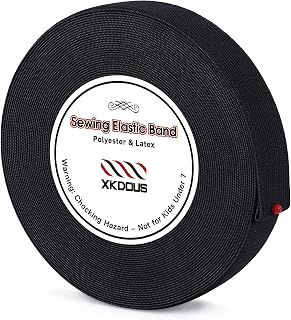
XKDOUS Elastic Band, 1 Inch 14 Yards (Black)
Check PriceSpecialty elastics include buttonhole, picot, and lingerie types. Buttonhole elastic has buttonholes spaced along its length. Picot elastic has a decorative looped edge. Lingerie elastic is plush backed for comfort.
These options solve specific garment needs. Buttonhole elastic allows adjustable waistbands in children’s wear. Picot elastic adds a delicate trim to sleeves and necklines. Lingerie elastic works well in bras and underwear.
How to Choose the Right Elastic Band
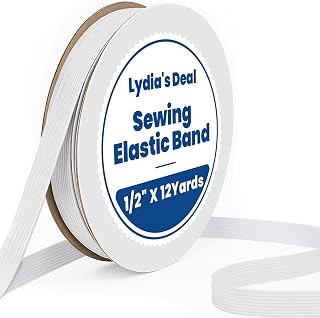
Elastic Band, 1/2 Inch x 12 Yards (White)
Check PriceStart by considering the fabric and the amount of support needed. Lightweight knits need soft elastic like knitted or clear. Heavy wovens need firm woven elastic. Waistbands for everyday wear benefit from elastic with strong recovery.
Check the width and stretch ratio. Narrow elastic is good for casings and lingerie. Wide elastic distributes pressure across the waist. You can compare quality options in this list of best elastic bands for clothes.
Always test stretch before you cut. Some elastic loses length when stretched. Others roll or twist easily. A quick sample will reveal how the elastic behaves with your fabric.
Sewing Tips for Elastic Bands
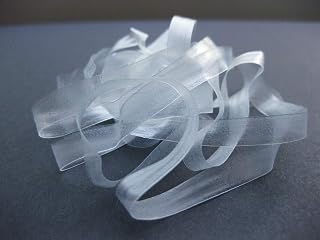
Anytape 1/4 Inch Clear Elastic Band, 10 Yards
Check PriceUse a ballpoint or stretch needle when sewing elastic to knits. A zigzag stitch allows the elastic to stretch after sewing. Stretch the elastic gently as you sew to distribute gathers. Always test on a scrap before working on your final piece.
For waistbands, measure the elastic against the body, not the fabric. Cut it slightly shorter for a snug fit. Pin the elastic at quarter points to distribute it evenly. You can learn similar techniques in this guide to sew hair scrunchies.
A three step zigzag is another reliable stitch for elastic. It holds the elastic flat and reduces bulk. Use a longer stitch length to avoid piercing the elastic too many times. This helps maintain stretch and recovery.
Common Mistakes to Avoid
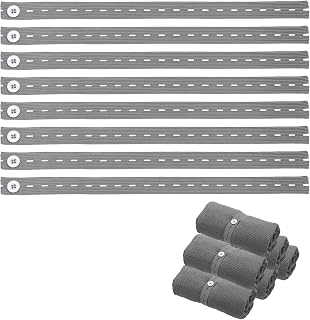
uxcell 15Pcs Roll-up Clothes Storage Elastic Bands
Check PriceAvoid stretching elastic too hard while sewing. Overstretching can cause the thread to snap. It can also make the finished garment too tight. Let the machine feed the fabric naturally.
Do not use a dull needle or the wrong stitch length. A short straight stitch can lock the elastic and reduce stretch. High heat can melt synthetic elastics. Always press carefully with a low setting.
Do not ignore the casing width. A casing that is too narrow causes the elastic to bunch and twist. A casing that is too wide lets the elastic roll. Measure the elastic width first, then add a small amount of ease.
FAQ: Types of Elastic Bands for Sewing
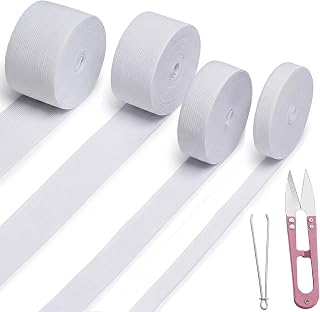
MYUREN 4 Sizes White Elastic Band Bundle
Check PriceWhat is the best elastic for waistbands?
Knitted elastic is often the best choice for waistbands. It stays soft and does not narrow too much. For heavier fabrics, woven elastic provides more support. Choose a width between one half inch and one inch for comfort.
Can I sew elastic directly to fabric?
Yes, many types of elastic can be sewn directly to fabric. Knitted, woven, and clear elastics work well with a zigzag stitch. Braided elastic is better placed in a casing. Always test the stitch on a scrap first.
How do I prevent elastic from twisting?
Pin the elastic at quarter points to keep it even. Sew slowly and guide the fabric gently. Use a wider elastic for waistbands to reduce twisting. A three step zigzag also helps secure the elastic flat.
What width elastic should I use?
For waistbands, use three quarter inch to one inch elastic. For cuffs and straps, half inch or smaller works well. Clear elastic for seams is often one quarter inch. Match the width to the casing or seam allowance.
Final Thoughts
Choosing the right elastic saves time and improves comfort. Keep a small assortment of braided, knitted, and clear elastics in your kit. Test stretch and recovery before you cut your project pieces. With practice, you will match each fabric to its best elastic type.

Disclosure: As an Amazon Associate, we earn from qualifying purchases at no extra cost to you. Our posts are created with AI tools and human editing.