
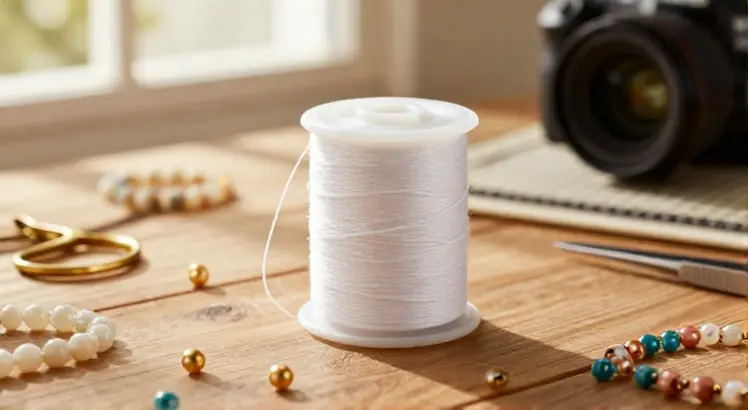
What Is Beading Thread?
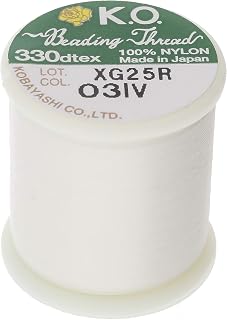
KO Nylon Beading Thread, Ivory Color, Japanese Pre-Waxed 100% Nylon
Check PriceBeading thread is a specialized type of cord designed for stringing beads and creating jewelry. It is usually made from nylon, polyester, silk, or braided gel spun fibers. The thread needs to fit through small bead holes while staying strong and flexible. Unlike standard sewing thread, beading thread resists fraying and supports repeated knotting.
Jewelry makers rely on beading thread to hold beads in place and keep a design stable. The best thread feels smooth and passes easily through tiny openings. Many threads are waxed or pre conditioned to reduce tangling. Choosing the right thread is the first step to durable, professional looking jewelry.
Beading thread comes in many colors, thicknesses, and strengths. Some styles are soft and drapey, while others feel stiff and structural. Your project type and bead size will guide the best choice. Understanding the basics helps you make better jewelry from the start.
Why Beading Thread Strength Matters
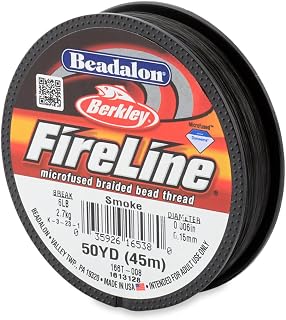
Beadalon FireLine Microfused Braided Beading Cord Thread, Smoke – 6LB/50 YD
Check PriceStrength is one of the most important qualities in beading thread. A weak thread can snap while you work or after the jewelry is worn. Strong thread holds knots securely and resists the pull of everyday movement. This is especially important for bracelets and necklaces that get regular wear.
Beads made from glass, crystal, or metal can have sharp edges. These edges may cut through soft thread over time. A thread with high breaking strength handles friction better. Durable thread also lets you pass through the same bead multiple times without breakage.
Braided and Fused Beading Thread Options
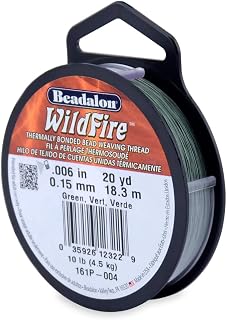
Beadalon Wildfire Beading Thread Jewelry Fishing Line
Check PriceBraided beading thread is made from several micro strands woven or fused together. This construction creates a smooth, snag resistant surface that does not stretch much. Fused braided threads are popular for seed bead projects and bead weaving. They offer excellent strength without adding bulk.
Micro fused threads like FireLine and Wildfire are made from gel spun polyethylene. According to the Beadalon official site, these threads are known for water resistance and durability. They can be stiff at first but relax with use. Many jewelry makers prefer them for structural designs.
Choosing Thread for Delicate Beads
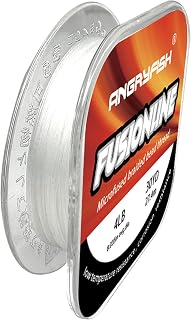
ANGRYFISH Fusionline Micro-Fused Braided Beading Thread for Jewelry Making
Check PriceDelicate beads have small holes and can crack under pressure. A thin, smooth thread works best for fine seed beads and pearls. You want a thread that slides through without forcing. Angryfish Fusionline is one example of a fine threaded option for detailed work.
When working with delicate beads, avoid thick cords that create tension. Test the thread by passing it through the smallest bead before you begin. If the thread feels tight or snags, switch to a thinner size. Gentle handling also protects fragile bead finishes.
Nylon Beading Thread for Beginners
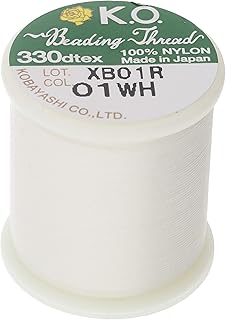
KO Nylon Beading Thread, White Color, Japanese Pre-Waxed 100% Nylon
Check PriceNylon beading thread is a classic choice for beginners. It is affordable, easy to handle, and available in many colors. Pre waxed nylon has a slightly tacky feel that helps knots grip. This makes it ideal for knotting between beads or simple stringing.
Nylon thread works well with glass, wood, and plastic beads. It may stretch slightly under tension, so it is best for lightweight designs. For bracelets and necklaces, choose a pre waxed or bonded nylon. This reduces tangling and makes threading less frustrating.
Japanese nylon threads are especially smooth and consistent. They are often used for bead weaving and pearl knotting. A high quality nylon thread will not shed fibers easily. It also holds color well over time.
Durable Thread for Heavy Beads
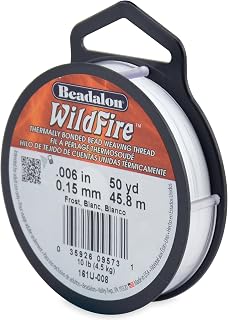
Beadalon Wildfire Beading Thread Jewelry Fishing Line
Check PriceHeavy beads need a thread with high tensile strength. Large stone, metal, and glass beads put more stress on the cord. A braided or micro fused thread is a better match than standard nylon. These threads resist stretching and support heavier jewelry.
Consider the bead hole size too. Heavy beads often have larger holes, allowing thicker thread. A stronger thread lets you knot tightly without breakage. This keeps the design secure and prevents sagging.
FireLine and Micro Fused Threads
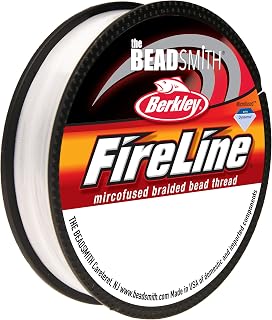
The Beadsmith Fireline by Berkley, Micro-Fused Braided Thread
Check PriceFireLine is a micro fused thread originally sold as fishing line. Jewelry makers discovered its strength and began using it for beadwork. It is smooth, water resistant, and nearly impossible to fray. This makes it a top choice for bead weaving and loom work.
The Beadsmith FireLine by Berkley is a specific version made for crafts. It handles multiple passes through tiny seed beads. The thread can be stiff, but it softens as you work. It is a favorite for detailed, high stress designs.
Choosing the Right Beading Thread
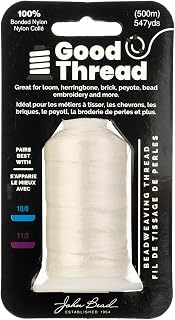
John Bead Good Thread Bonded Nylon Beading Thread, 500m/547yd, TEX 35
Check PriceChoosing the right thread starts with your bead type and project style. For lightweight beads, nylon or silk may be enough. For tiny seed beads, a micro fused thread offers the strength you need. For a focused buying guide, read this best beading thread guide.
Consider color, thickness, and how the thread feels in your hand. Match the thread color to the bead color when possible. Softer thread suits drapey designs while stiffer fused thread suits structure. Always test the thread through the smallest bead hole first.
Quick Checklist for Thread Selection
Start by identifying the bead hole size and overall bead weight. Then decide whether the design needs soft drape or firm structure. Next, compare thread strength and diameter ratings across a few brands. Finally, buy a small spool and run a short test before committing to a full project.
Understanding Beading Thread Sizes and Weights
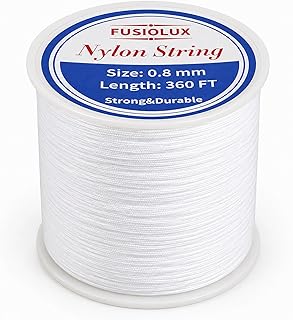
0.8mm Nylon String for Bracelets, 360Ft Beading Thread, White
Check PriceBeading thread sizes can be confusing because different brands use different labels. Some use letter sizes like A, B, D, or F. Others use weight ratings like 6 pound or 10 pound. Thicker threads have higher strength but may not fit fine beads.
A 0.8mm nylon string is thick enough for bold statement jewelry. For seed beads, look for a size D or 6 pound micro fused thread. Always compare the diameter rather than the label alone. The right size gives you secure knots without visible bulk.
If a thread is too thick, it will not pass through the bead twice. If it is too thin, the knots may slip and the piece may feel weak. Balance is key. Keep a small selection of thread weights in your kit for different bead sizes.
How to Condition and Pre Wax Thread
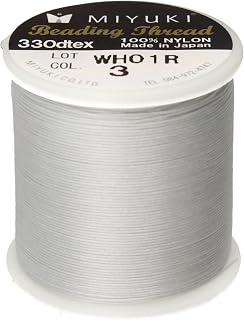
Miyuki Beading Thread
Check PriceConditioning beading thread prevents tangling and fraying. You can use beeswax or a thread conditioner like Thread Heaven. Pull the strand gently across the wax before stringing. This smooths the fibers and adds grip for knots.
Many threads come pre waxed, which saves time. Miyuki beading thread is a popular pre waxed Japanese option. Pre waxed thread holds knots well and resists moisture. Reapply wax if the thread starts to feel rough during a long project.
Common Mistakes to Avoid
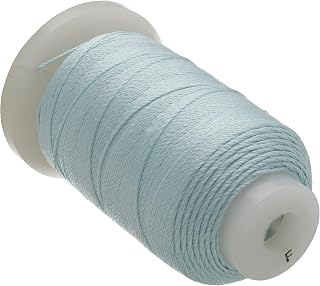
The Beadsmith Pure Silk Cord – Turquoise, Size F
Check PriceOne common mistake is using thread that is too thick for the beads. This causes the cord to jam or the beads to crack. Another issue is pulling knots too tight on delicate thread. If you are unsure which material works for your project, this guide on what thread to use for beading can help.
Many beginners also skip conditioning, which leads to tangles. Others choose a weak thread for heavy beads and wonder why the piece breaks. Always match the thread strength to the bead weight. Testing your thread before a full project is a smart habit.
Pro Tips for Durable Beaded Jewelry
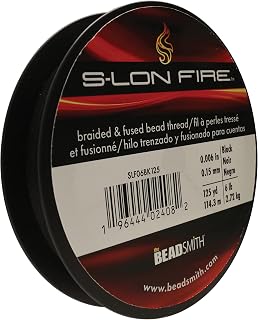
The Beadsmith S-Lon Fire – Braided and Fused Bead Thread
Check PriceUse a fresh needle with a large enough eye for your thread. A bent or damaged needle can fray the thread as you work. Keep your hands clean to avoid transferring oils to the thread. This helps the thread stay smooth and knot friendly.
Consider doubling the thread for heavy pieces. For bead weaving, use a micro fused thread that resists abrasion. Leave a little slack in the thread so the finished piece can move naturally. Finally, store finished jewelry flat to reduce stress on the cord.
When knotting, use consistent pressure rather than maximum force. Tight knots are important, but too much force weakens the thread. Practice on scrap beads until your tension feels natural. This simple habit improves the life of every piece you make.
FAQ: What Is Beading Thread?
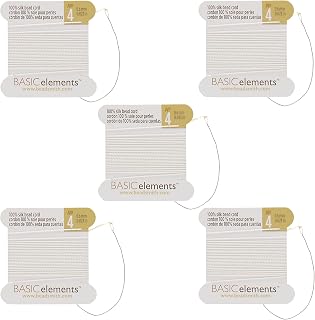
The Beadsmith Pure Silk Cord – White Color, Size 4, Five Cards per Package
Check PriceCan I use regular sewing thread for beading?
Regular sewing thread is not strong enough for most beadwork. It can stretch, fray, and snap under the weight of beads. Beading thread is thicker, smoother, and made for abrasion resistance. Use a product designed for jewelry making for best results.
What is the best beading thread for beginners?
Pre waxed nylon thread is an excellent starting point for beginners. It is easy to thread, easy to knot, and affordable to practice with. A micro fused thread is a good second choice for seed bead projects. Start with a light colored thread so you can see your stitches.
How do I know if my beading thread is too thick?
If the thread cannot pass through the bead hole twice, it is too thick. You may need a thinner thread or larger hole beads. Test by passing the thread through the smallest bead several times. The extra passes simulate the repeated passes used in bead weaving.
Beading thread may seem simple, but it has a big impact on your finished jewelry. The right choice keeps your beads secure and your design looking polished. Use this guide to compare types, sizes, and techniques. With practice, you will find the thread that works best for your style.
