Embroidery floss might look delicate, but it packs surprising resilience when you understand its construction. Knowing how strong embroidery floss is helps you choose the right thread for cross stitch, friendship bracelets, or surface embroidery. This guide breaks down the science behind floss strength so your stitches stay secure and beautiful. Let’s explore what truly makes a skein dependable.
Understanding Embroidery Floss Strength
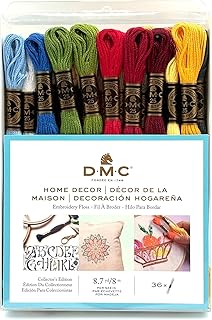
DMC 117F25-PC36 Embroidery Popular Colors Floss Pack, Colors may vary, 8.7-Yard, 36/Pack
Check PriceStrength in embroidery floss isn’t about feeling stiff. It’s about tensile strength, the maximum pulling force a strand can take before snapping. Most standard six-strand cotton floss can hold several pounds of weight when tested correctly. That is more than enough for hand embroidery and friendship bracelets. However, the way you stitch and the floss type you pick will heavily influence real world performance.
Manufacturers like DMC and Anchor design their mercerized cotton floss to be smooth yet durable. The mercerization process strengthens the fibers and adds a subtle sheen. A single strand may feel weak in your fingers but when combined into multiple plies it becomes remarkably tough. Testing it yourself often reveals just how much force it can handle.
The Anatomy of Embroidery Floss: Ply and Twist
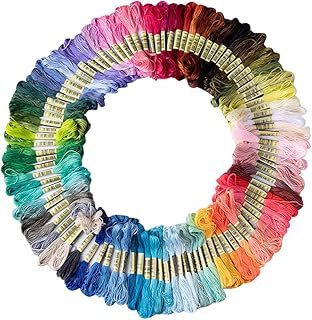
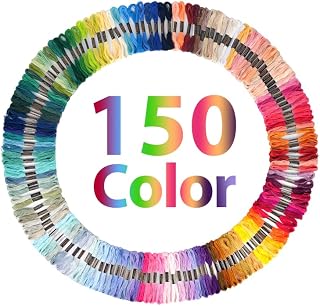
Friendship Bracelet String 50 Skeins Rainbow Color Embroidery Floss Cross Stitch Embroidery Thread
Check PriceEmbroidery floss is usually made of six easily separable strands twisted together. This ply structure is what gives you control over thickness and strength. Using all six strands gives you the strongest line but can be bulky for delicate work. Separating the plies and recombining them actually increases smoothness and can improve how evenly tension is distributed.
The tightness of the twist also plays a critical role. A high twist adds firmness and durability, making the thread less prone to fraying and snapping under friction. Loosely twisted floss can be softer but may abrade faster when pulled through fabric. For projects that demand high stamina like stitched jewelry, a tighter twist is your best friend.
Single Strand vs. Multiple Strands
A single strand of six-ply floss can snap under just a few ounces of direct pull. However, when you use two or three strands, the collective strength increases far more than simple addition would suggest. The intertwining helps distribute stress, so breakage becomes much less likely. Most cross stitchers use two strands for a balanced look that still holds up well.
Fiber Matters: Cotton, Polyester, and Rayon Compared
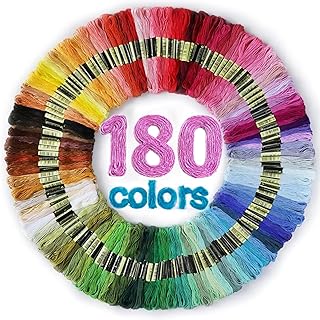
LOVIMAG Embroidery Thread 180pcs Friendship Bracelet String Floss Kit Yarn
Check PriceCotton floss is the traditional choice and offers a very balanced strength to softness ratio. Long staple cotton fibers spun tightly give it excellent resistance to abrasion during stitching. Polyester embroidery floss, however, is inherently stronger and can resist more pounds of force before breaking. Rayon floss provides a high sheen but is the weakest of the three, often snapping under high tension.
External studies highlight that polyester thread can withstand significantly higher tensile loads than cotton of the same thickness. Textile School details that continuous filament polyester resists up to 7 grams per denier compared to cotton’s lower range. This makes polyester floss ideal for items that will face frequent washing or outdoor exposure. Yet many embroiderers still prefer cotton for its natural feel and colorfastness.
How to Test Floss Strength at Home
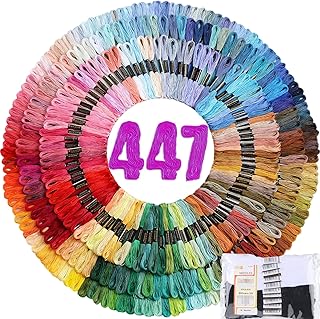
Athena’s Elements Embroidery Floss | Rainbow Thread with White and Black Floss(447 Colors)
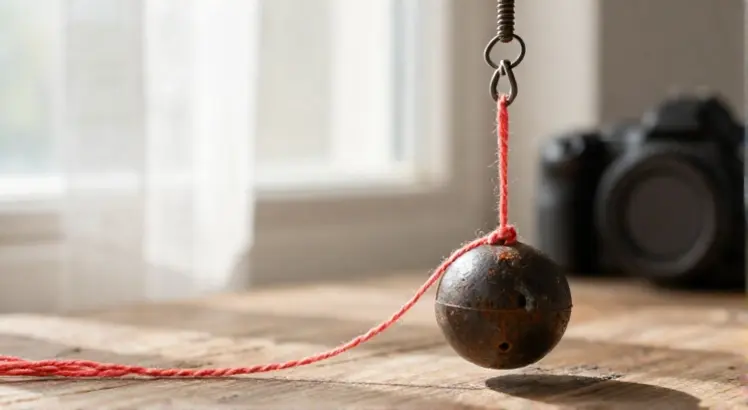
Check PriceYou can perform a simple snap test using a small digital scale and a smooth hook. Secure one end of the floss strand and slowly pull until it breaks while recording the maximum weight. Always test multiple samples and average the result for a true strength figure. A single strand of quality six-ply cotton typically breaks around 1.5 to 2.5 pounds.
For a more practical gauge, stitch a dense area on scrap fabric and tug gently. Observe if the thread frays, stretches, or holds firm. Floss that pills quickly under moderate needle friction may be too weak for high wear crafts. Simulating real stitching conditions will reveal far more than a raw tensile number alone.
What Weakens Floss Over Time
Friction against the fabric and needle eye gradually degrades even the best floss. Twisting and tugging also concentrate stress, especially if you use too long a length. Excess moisture, heat and UV light can weaken fibers during storage. Replacing your working strand frequently during a project keeps breakage at bay.
Common Crafts and Their Strength Demands
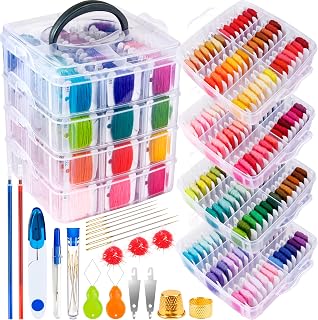
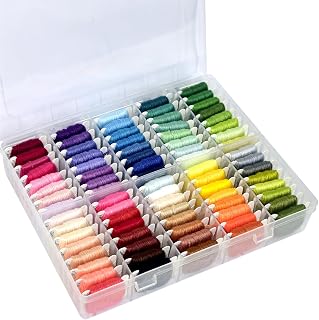
BYMORE 262 Pack Embroidery Thread Floss Kit Including 200 Colors with Floss Bins
Check PriceFriendship bracelets put floss under constant tugging, knotting, and wear against skin. You need a thread that can survive hundreds of forward and backward knots without fraying. Embroidery floss made from polyester or a strong cotton like DMC’s stands up perfectly. Even within cotton varieties, colorfastness matters because moisture from skin can degrade weaker dyes.
Cross stitch places less mechanical strain on individual threads than bracelets. Yet the repeated passing through stiff Aida cloth can scuff floss quickly. For this reason, many stitchers condition their thread with beeswax or Thread Heaven to reduce friction. This simple step boosts perceived strength and extends the life of the floss on the needle.
Top Durable Embroidery Floss Brands
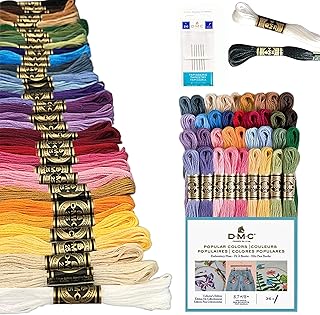
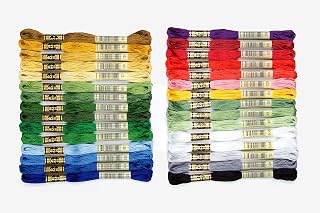
DMC Popular Pack 36 Colors Bundle with DMC White/Black and Needles Size 26
Check Price