
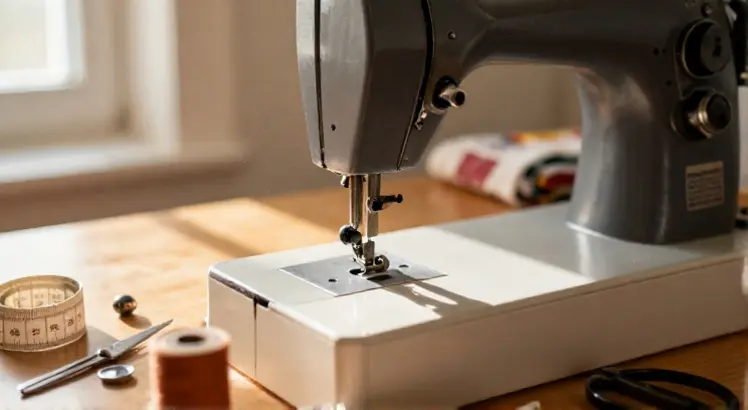
A sewing desk is a dedicated workspace designed to securely hold a sewing machine and support all your related activities. It often includes a cutout platform, drawers, and a wide surface for laying out fabric. Unlike regular desks, these pieces accommodate the specific vibration and ergonomic needs of sewing. They come in various forms, from minimalist tables to full cabinets.
Many beginners wonder if a standard office desk can double as a sewing station. While possible, a purpose built sewing desk offers significant advantages in organization and comfort, although an ordinary desk might lack the necessary cutout or sturdy build. The right desk reduces clutter and helps you maintain proper posture during long stitching sessions. Investing in one can dramatically improve your sewing experience.
The Idea of Universal Fit in Sewing Desks
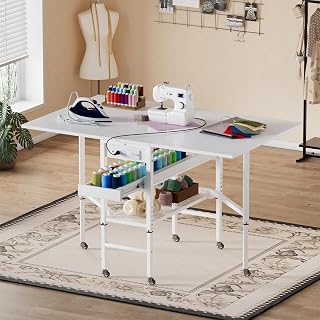
PAKASEPT Height Adjustable Sewing Cutting Table
Check PriceThe phrase universal sewing desk sounds appealing, but the reality is more complex. Machines vary wildly in base size, weight, and shape, making a single design that fits all nearly impossible. A tiny vintage Singer and a modern quilting machine have completely different footprints. So while some desks claim universal fit, they usually only accommodate a limited range.
Most universal desks rely on adjustable platforms or a flat surface without a fixed cutout. However, even adjustable platforms have maximum and minimum limits. If your machine’s base exceeds those limits, the promised universality fails. That is why seasoned sewists always check dimensions rather than relying on marketing terms.
The lack of true universality isn’t a flaw, it reflects the diversity of sewing machines. Manufacturers design desks to excel in specific niches, such as quilting, embroidery, or garment sewing. Recognizing this helps you set realistic expectations. Your goal should be finding a desk that matches your machine, not one that claims to fit every model.
Critical Factors That Affect Compatibility
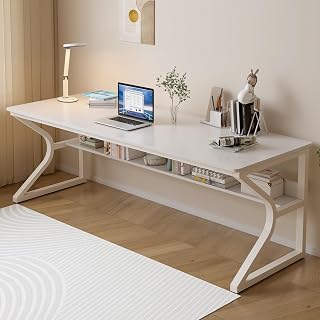
OSCHF 71-Inch Extra Long Desk with Storage Shelf
Check PriceThe first factor is your sewing machine’s base dimensions. Measure the length, width, and height of its bottom footprint, including any protruding controls or knobs. Most sewing desks provide a platform that must closely match these numbers. A mismatch can cause instability and fabric feed issues.
Platform type varies greatly. Fixed platforms are just a flat top with no cutout, while recessed platforms let the machine sit flush with the surface. An adjustable lift mechanism raises or lowers the machine to create a seamless sewing bed. Choose the type that matches your machine’s free arm or flatbed style.
Weight and vibration are often overlooked. Heavy duty or industrial machines need desks made of solid hardwood or steel. Light weight particle board desks may sag or shake under the load. Always check the desk’s stated weight capacity before ordering. Look for reinforced legs and a wide base to prevent tipping.
Ergonomics play a vital role. A desk that is too high forces you to hunch your shoulders, while one that is too low makes your arms reach awkwardly. The ideal desk lets your hands rest naturally on the sewing bed. Height adjustable models solve this beautifully for different users.
Finally, consider your entire workflow. Do you need room for a serger, an ironing board, or a large cutting mat? Even if the desk fits the sewing machine, it may lack sufficient surface area for bigger projects. Look for desks with extensions or drop leaves that add space when you need it.
Benefits of Using a Dedicated Sewing Desk
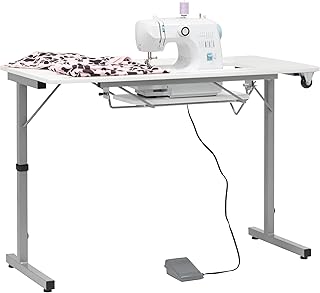
Rollaway II Compact Portable Folding Sewing Table
Check PriceA dedicated desk transforms your sewing hobby by providing a stable, purpose built environment. Your machine sits securely, reducing vibration and noise during high speed stitching. All your notions and tools can be organized within arm’s reach. This setup saves time and keeps you focused on creating.
Ergonomic benefits are a major advantage. The correct desk height prevents neck strain and back pain, common complaints among sewists. Many desks also feature anti fatigue surfaces or padded edges. Over time, these comfort features protect your health and boost your endurance.
Integrated storage solutions reduce clutter dramatically. Built in drawers and cubbies keep thread, scissors, and patterns tidy and easy to find. You no longer waste precious time searching for a seam gauge or a bobbin. A clean workspace also promotes a calm, creative mindset.
For small spaces, a dedicated sewing desk with a folding or compact design can be a lifesaver. Many models fold flat against a wall or roll into a closet when not in use. This flexibility lets you maintain a dedicated hobby area even in a shared living room or small apartment. It is an investment in functionality and joy.
How to Choose the Perfect Sewing Desk for Your Machine
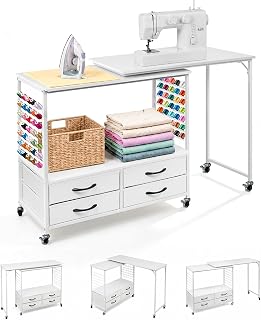
Sewing Table with Storage 46.5 Inch Folding Table
Check PriceBegin by measuring your machine precisely. Note the width, depth, and height, then add extra clearance for your hands and fabric movement. Next, measure your available floor space, ensuring room for your chair and walking paths. These numbers form the foundation of a successful desk search.
Create a wish list of features. Do you want a drop in platform, built in lighting, or a thread rack? Prioritize based on your main sewing activities, be it quilting, mending, or embroidery. A quilter needs a large flat surface, while a garment sewer may value storage over surface area.
When evaluating desks online, scrutinize the product specifications. Look for exact platform dimensions, adjustable height ranges, and user reviews. Product photos can be deceiving, so rely on numerical specs. Reviews often reveal whether a desk lives up to its universal claims.
Contact the manufacturer if the details are unclear. Ask directly if your specific machine model will fit the platform cutout. Many companies keep compatibility lists and can give you a definite answer. This quick step can save you the hassle of returns and wasted time.
Also consider long term quality. Solid wood and metal frames outlast particle board, especially under constant vibration. Check that drawer slides are smooth and hinges robust. A well made desk can serve you for decades, so view it as a lasting investment in your craft.
Sewing Desks vs. Sewing Tables vs. Sewing Cabinets: Key Differences
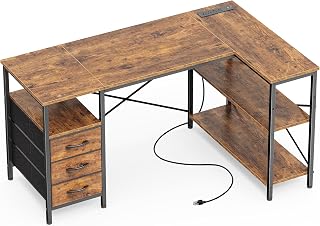
Huuger L Shaped Office Desk with Power Outlets
Check PriceMany people confuse these terms, but each serves a different purpose. A sewing desk often looks like a piece of residential furniture adapted for sewing, with legs and an open underside. It usually includes some drawers but prioritizes an airy, desk like feel. It works well in multipurpose rooms.
A sewing table is generally more portable and less ornate. It may have a folding metal frame and a simple top, sacrificing storage for mobility and cost. Tables are perfect for beginners or those who attend sewing classes and need to transport their setup. They are also budget friendly and easy to store.
A sewing cabinet is a fully enclosed piece that conceals the machine when closed. A lift mechanism raises the machine from inside to a flush position for sewing. Cabinets often double as elegant consoles or sideboards in living areas. They offer maximum protection and a clean, furniture grade look.
Your choice depends on permanence and space. If sewing is a part time hobby in a shared room, a folding table might be best. If you have a dedicated studio and want a polished aesthetic, a cabinet could be ideal. Understanding these differences helps you narrow down your options.
Customizing and Adjusting Your Sewing Desk for a Universal Solution
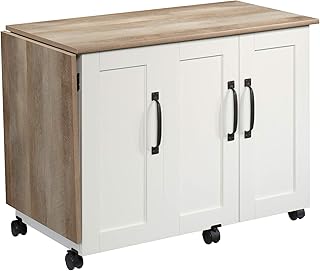
Sauder Drop-Leaf Sewing Cart with Storage
Check PriceIf your current desk does not perfectly fit your machine, simple modifications can bridge the gap. Adding a custom cutout insert or a sturdy riser platform can level the machine. Many sewists craft their own plywood inserts covered in fabric to match their decor. This DIY approach costs little and yields a tailored fit.
Rubber non slip mats are a quick fix for vibration and sliding on smooth surfaces. They absorb shock and keep the machine firmly in place. You can also add external clamp on storage bins to hold threads and tools. These accessories turn a generic desk into a functional sewing station.
Retrofitting adjustable legs is another powerful modification. It allows you to change the desk height for different tasks, such as standing to cut fabric or sitting to sew. Many aftermarket leg kits are affordable and easy to install. Always ensure the modified structure remains stable and safe under load.
When customizing, prioritize safety. Avoid using stacked boxes or unstable objects to prop up your machine. The support must be rigid and fire resistant. If cutting into a desk, use proper tools and follow templates. A professional carpenter can help if you are not confident, ensuring a perfect and safe result.
Frequently Asked Questions
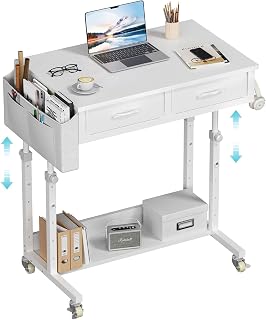
WINAZ Small Rolling Standing Desk with Drawers
Check PriceAre most sewing machine cabinets universal?
No, most cabinets are designed for a specific range of machine sizes. Their internal platforms have fixed dimensions that may not fit larger or oddly shaped machines. Always measure your machine and compare to the listed platform cutout before buying. Universal claims often apply only to standard home models, not industrial or long arm machines.
Can I use a regular desk as a sewing desk?
Absolutely, a regular sturdy desk can work if you ensure the correct height and stability. You may need to add a non slip mat and perhaps a custom riser to align the machine bed with the surface. Dedicated sewing desks offer more specialized features, but a standard desk can be a good starting point. Look for a desk with a smooth, hard surface that won’t snag delicate fabrics.
What is the ideal height for a sewing desk?
Most sewists find a surface height of 28 to 30 inches comfortable when seated. However, this varies with your chair and personal body proportions. Height adjustable desks are ideal because you can fine tune the position to prevent strain. When standing to cut fabric, a higher setting is beneficial.
Do I need a special desk for a serger?
A serger can sit on a regular desk, but it tends to vibrate more intensely. A robust desk or one with vibration dampening features helps reduce noise and shaking. Some sewing cabinets include a second platform for a serger, but many users simply place it beside their main machine on a stable table. A dedicated serger table with extra vibration control is another worthwhile investment if you serge frequently.
How can I make my current desk more sewing friendly?
Start by adding a custom cutout platform or a sturdy insert to sink the machine flush with the surface. Use grip mats to reduce vibration. Add clamp on storage bins and a thread rack to keep essentials organized. Adjust the desk height if possible, and ensure your chair provides proper support.
Conclusion
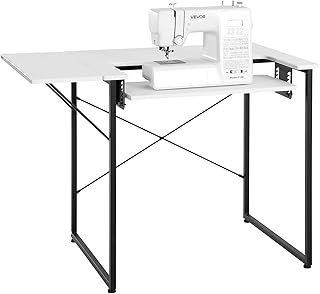
VEVOR Multipurpose Sewing Machine Table with Drawers
Check PriceThe simple truth is that there is no perfectly universal sewing desk. Machine dimensions, weight, and user needs vary too much for one design to rule them all. Yet with careful measurement and a clear understanding of your priorities, you can find a desk that feels custom made for you. Don’t be swayed by the universal label, trust the specs and real user feedback.
A dedicated sewing desk is a powerful upgrade for your hobby. It enhances comfort, organization, and stitch precision. Whether you select a sleek cabinet or a nimble foldable table, the key is matching the platform to your machine. Spend time on research now to enjoy years of effortless sewing later.
If you love DIY projects, remember that you can transform almost any sturdy desk into a superb sewing station. Small modifications like adding a custom insert or adjustable legs can achieve that flush machine fit. The goal is always a stable, ergonomic, and inspiring workspace where your creativity can flourish. Never compromise on safety, a wobbly desk can damage your machine or cause injury.
For further reading, explore our detailed guide on the best sewing desks and learn more about how to choose a sewing table. Additionally, an excellent external resource is WikiHow’s guide on sewing table selection. Armed with knowledge and the right tools, your optimal sewing setup is within reach.
