
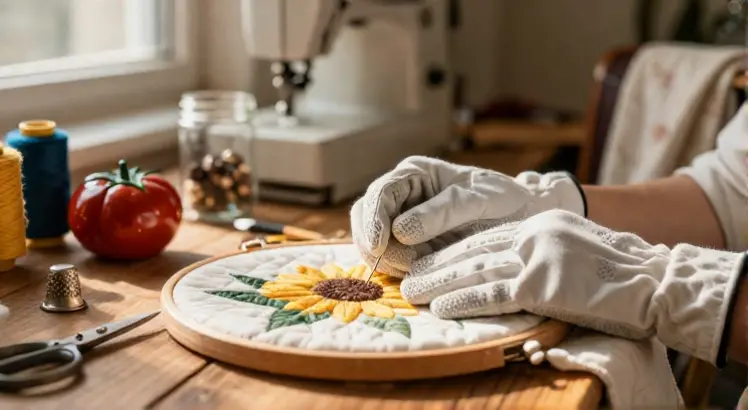
If you have ever struggled to guide fabric smoothly under a sewing machine, you might wonder what quilting gloves can do for you. These specialized gloves give quilters a better grip on layers without causing hand strain. They completely transform free motion quilting into a more relaxed and enjoyable creative process.
Quilting gloves feature rubberized or silicone coated fingertips that prevent slipping on cotton layers. Unlike everyday gloves, they are lightweight and fully breathable. They also significantly reduce hand fatigue during long stitching sessions, according to experts at The Quilting Company.
In this guide, you will learn exactly what quilting gloves are, why they matter, and how to choose the right pair for your projects. We will share actionable tips and answer the most common questions. By the end, you will understand why so many quilters rely on this simple yet powerful tool.
What Are Quilting Gloves?
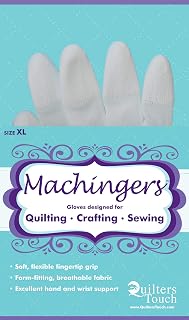
Machingers Quilting Support Gloves
Check PriceQuilting gloves are lightweight, grippy hand coverings designed specifically for free motion machine quilting. The palms and fingertips are coated with a special non slip material, often silicone or rubber dots. This coating gives you fingertip control over the fabric without needing to press down hard or bunch up the layers.
Unlike bulky work gloves, these are form fitting and flexible, allowing you to feel the fabric while guiding it. The breathable fabric keeps your hands cool even during marathon quilting sessions. They essentially turn your hands into a precise, yet gentle, fabric moving tool.
Most quilting gloves are fingerless or have exposed fingertips so you can still feel the thread and needle. They also protect your hands from friction against the machine bed. Once you try a quality pair like the ones shown above, you might never quilt without them again.
Why Quilters Need Specialized Gloves
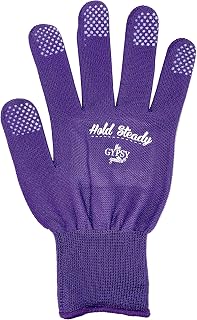
Gypsy Quilter Hold Steady Machine Gloves
Check PriceFree motion quilting requires moving a heavy sandwich of fabric, batting, and backing in multiple directions. Without proper grip, your hands can slip and cause uneven stitches. Quilting gloves solve this by allowing your palms to lightly grab the quilt top and move it with pinpoint accuracy.
When you browse best quilting gloves, you will notice they all focus on reducing the death grip that leads to hand pain. Standard gardening or winter gloves are too thick and lack the fingertip sensitivity required. Specialized gloves relieve tension in your shoulders and wrists, letting you quilt for hours comfortably.
Additionally, the coated surface holds the fabric securely while letting you release it instantly with a slight lift. This dynamic control makes intricate designs, like stippling or feathers, much easier. Your stitch quality becomes noticeably more consistent as a result.
Key Features to Look For in Quilting Gloves
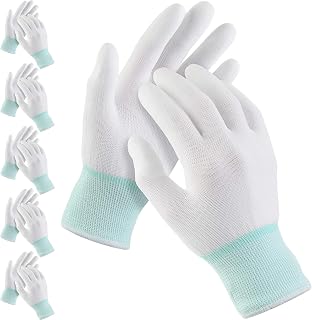
Geyoga 6 Pairs Quilting Gloves
Check PriceThe most important element is the grip material. Silicone dots or rubberized palms offer excellent traction without being sticky. Look for gloves with a snug, second skin fit that prevents any extra fabric from catching on your machine. The material must also be stretchy and breathable to avoid sweaty hands.
Many quilters prefer a fingerless design so they can easily tie off threads or adjust the needle. Coverage on the thumb and first two fingers is often enough, leaving the pinky free. Check that the wrist cuffs are soft and not too tight, as this can restrict circulation during long sessions.
It also helps if the gloves are washable. Fabric and batting lint can build up quickly on the coated surface. A quick rinse and air dry will restore full grip. Durable stitching around the fingertips ensures the coating remains intact after repeated use and washing.
Diferent Types of Quilting Gloves Explained
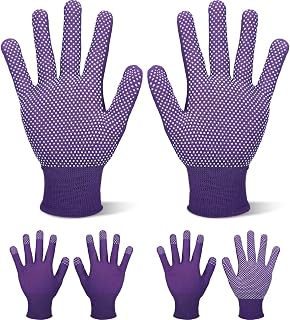
Shyyween 2 Pairs Quilting Gloves
Check PriceYou will encounter three main styles: full finger, three quarter finger, and fingerless. Full finger gloves provide complete coverage and maximum traction but may reduce fingertip sensitivity. Three quarter versions leave the very tips of your fingers exposed so you can feel finer details while still gripping the fabric.
Fingerless gloves, often called quilting cuffs, cover only the palm and leave all fingers bare. These give you unrestricted dexterity and are perfect if you need to feel the thread path. Some models have a single silicone dot pad on the palm, while others have dots all over the inner surface.
Bulk packs like the Geyoga 6 Pairs set come with multiple gloves for swapping. Thicker gloves offer more cushion for very long quilting days, while thin ones maximize control. Some brands now offer breathable mesh backs for extra cooling, ideal for warm sewing rooms.
How to Choose the Right Size and Fit
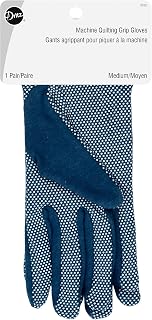
Dritz Machine Quilting Grip Gloves Blue
Check PriceMeasure across your palm just below the knuckles to find your size. Most quilt gloves correspond to standard small, medium, large, and extra large charts. A properly fitted glove feels like a second skin, not loose or baggy. There should be no excess fabric at the fingertips that could get caught under the needle.
If you fall between sizes, opt for the smaller size because the material will stretch slightly with wear. Loose gloves cause you to grip harder, which defeats the purpose. Brands like Dritz and Machingers offer detailed size guides, so always check their specific measurements.
Pay attention to wrist closures. Some gloves have a simple elastic band, while others feature a Velcro strap for adjustable snugness. An adjustable wrist helps prevent the glove from riding up during vigorous movement. A smooth, seam free interior will also prevent irritation on sensitive skin.
Top Tips for Using Quilting Gloves Effectively
Machingers Quilting Support Gloves Small
Check PriceAlways clean your gloves before storing them to maintain grip. Dust the silicone dots with a damp cloth, then let them air dry. Pair your gloves with a quality free motion foot and low friction machine surface for even smoother movement. Using the best threads for quilting also reduces drag and breakage.
Practice on a small quilt sandwich first to get used to the changed sensation. You may find yourself pressing too lightly at first, so gradually increase the contact pressure. Keep your wrists relaxed and use your whole arm to move the fabric, not just your fingers. This technique prevents fatigue and gives you fluid, sweeping motion.
If you notice the coating starting to wear off, a light rub with a sticky lint roller can temporarily restore it. Rotating between two pairs extends the life of both. Finally, do not use fabric softener when washing, as it can leave a residue that reduces the tackiness of the grip dots.
Frequently Asked Questions
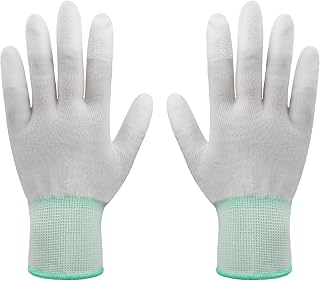
Quilting Gloves for Free-Motion Sewing Medium
Check PriceWhat are quilting gloves made of? Most are made from a nylon or spandex blend with silicone dots on the palms and fingers. The fabric is stretchy and moisture wicking. Some feature lycra for a snug fit and ventilation mesh to keep hands cool.
Can I use regular gardening gloves instead? Regular gloves are too thick and lack the fingertip dexterity needed for fine control. Garden gloves also have a rough texture that can snag delicate fabric. Quilting gloves are specifically designed to grip without damaging your quilt top.
How do I wash quilting gloves? Hand wash them in cool water with mild soap, then air dry. Do not put them in the dryer, as heat can break down the silicone coating. Gentle cleaning after every project keeps the grip fresh. Avoid bleach and harsh detergents that degrade the elastic.
Do I really need gloves for free motion quilting? While not mandatory, gloves dramatically improve control and reduce hand strain. They are one of the most affordable upgrades you can make to your quilting setup. Once you experience the difference, you will likely never want to quilt without them.
Conclusion
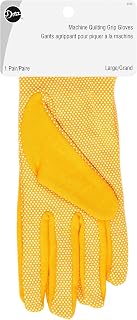
Dritz Machine Quilting Grip Gloves Yellow
Check PriceQuilting gloves are a simple investment that pays huge dividends in stitch quality and comfort. Whether you are a beginner or an experienced quilter, the right pair reduces fatigue and gives you precision control. They turn a potentially frustrating free motion session into a smooth, creative flow.
From lightweight fingerless styles to full coverage gloves with silicone dots, there is a perfect fit for every hand. Remember to size them correctly and maintain the grip with gentle cleaning. The models featured in this article are all highly rated and ready to elevate your quilting.
Now that you know what quilting gloves are and how to use them, grab a pair and feel the difference on your next project. Your quilting machine and your hands will thank you.
