
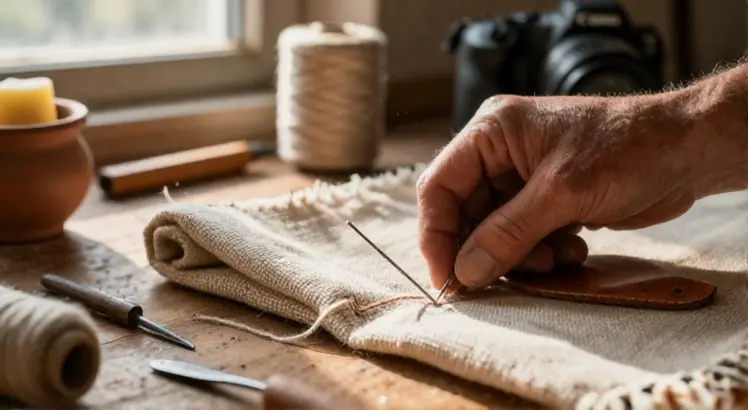
If you have ever admired a rugged tote bag, a backyard cushion, or a pair of heavy-duty work pants and wondered how to sew canvas without breaking a needle, you are in the right spot. Canvas is a dense, durable fabric that rewards patience and the right preparation. Whether you plan to stitch a simple tool pouch on a home machine or tackle a hand-sewn tent repair, understanding the quirks of this material makes every project smoother.
Understanding Canvas Before You Stitch
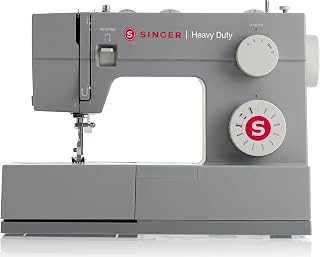
SINGER 4411 Heavy Duty Sewing Machine
Check PriceCanvas is not a single fabric; it is a category of plain-woven textiles known for their stiffness and strength. Cotton duck, sailcloth, and waxed canvas all fall under the umbrella, but the key distinction lies in weight. The number on the label (often in ounces per square yard) tells you the heft. A 7 oz canvas works for lightweight aprons, while 18 oz and above suits floor cloths and outdoor gear. Knowing the weight helps you choose the right needle, thread, and machine settings. To understand the unique challenges of this sturdy material, think about how tightly the yarns are packed: a denser waeve demands more piercing power.
Canvas also behaves differently than quilting cotton. It does not gather easily, it frays less, and it holds a crease like an elephant remembers a friend. Because of these traits, you will need to adjust your approach, but the results are incredibly durable. With the right tools, a regular home sewing machine can handle mid-weight canvas, and even a hand needle can push through layers with a good palm thimble.
Tools and Supplies for Sewing Canvas
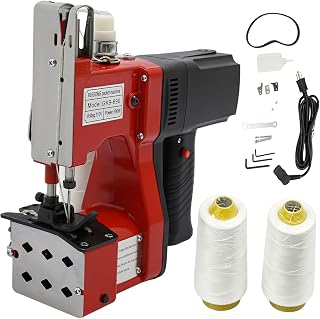
Leather Heavy Duty Industrial Sewing Machine
Check PriceBefore you thread the needle, gather a few specifics that turn frustration into flow. Nothing ruins a canvas project faster than a flimsy needle or a wimpy thread. Here is a checklist that covers both machine and hand sewing.
Needles That Can Take the Heat
- For a sewing machine, use sharps or denim needles in sizes 90/14 to 110/18. A larger number means a stronger blade that can pierce thick woven fibers without deflection.
- Keep a fresh needle handy. Canvas dulls points quickly, and a blunt needle will punch holes instead of parting yarns, weakening the seam.
- For hand work, choose a glover’s needle or a chenille needle with a large eye. The tri-angular point of a leather needle also works nicely on waxed canvas.
Thread That Balances Strenth and Flex
- Heavy-duty polyester or nylon binded thread is the go-to. Brands like Gutermann Extra Strong or Coats Dual Duty Plus hold up to tension and abrasion.
- Avoid pure cotton thread for load-bearing seams; it has less stretch and can snap under strain.
- Match the thread color to the fabric or go a shade darker for topstitching that blends beautifully.
Presser Feet and Notions That Make a Difference
- A walking foot or an even-feed foot is the biggest upgrade you can give your machine. It gripes the top layer and feeds it at the same pace as the bottom, preventing puckers and layers that wander apart.
- A roller foot or a Teflon foot helps when the canvas has a coating, like waxed or waterproofed finishes.
- Keep a hump jumper or jean-a-ma-jig within reach for crossing thick seam intersections. This small tool lifts the presser foot´s heel so the needle clears the bulky spot without skipped stitches.
- Wonderr clips hold layers tightly without leaving permanent marks the way pins can on dense waeves.
How to Sew Canvas with a Sewing Machine: Step by Step
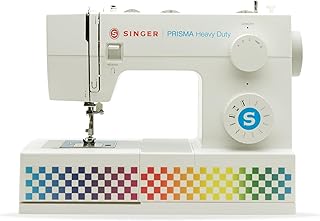
SINGER 4411 PRISMA Heavy Duty Sewing Machine
Check PriceOnce your machine is set up, follw these steps to create seams that are straight, strong, and professional looking. Even a basic mechanical machine can sew mid-weight canvas if you slow down and support the fabric.
1. Set Up the Machine Properly
Begin by switching to a heavy-duty needle and threading with stout polyester thread. Wind a fresh bobbin with the same thread. Increase the stitch length to 3.0 – 3.5 mm; shorter stitches can act like a perforation line on thick fabric and weaken the seam. Set the tension slightly lowwer than you use for medium-weight cottons – about 3.5 to 4.5 – because the thread needs a little extra slack to lock inside the dense weave. Test on a folded scrap before you commit. If the stitches lopp on the bottom, lower the top tension just a hair. If they lopp on top, tighten a bit.
2. Mark and Cut with Precision
Canvas frays less than looser weaves, so you can leave seams with raw edges, but neat cutting still matters. Use a rotary cutter on a self-healing mat for long straight lines. For curves, trace with tailor´s chalk or a waxy marking pencil that shows up on the surface. If the canvas is dark, a soap sliver or a silver marking pen works. Avoid wash-away markers that require heavy rinsing; thick canvas holds water and takes ages to dry.
3. Construct Strong Seams
Start with a straight stitch, but consider a flat-felled seam for weight-bearing projects like tote straps. Here is a simple method: Sew a 5/8-inch seam with right sides together, trim one side to 1/4 inch, then fold the wider side over the trimmed edge and topstitch down. This encases the raw fibers and triples the strength. For topstitching, increase the stitch length to 3.5 – 4 mm and use a double needle or sew two parallel rows for a classic jeans-like finish. Always press seams flat with lots of steam and a wooden clapper to set them hard.
4. Handle Bulk with Smarts
When you approach a corner where four or more layers stack up, stop just befoe the bump. Lift the presser foot, slide a hump jumper behind the needle, and lower the foot a gain. The tool keeps the foot flat so the machine can punch through. If you do not have a hump jumper, hand-crank the wheel over the thickest part. Newer to machine work? expert advice on handling thick materials often suggests alternating between power and manual cranking to protect the motor.
5. Finishing Edges and Hems
Canvas edges can be left raw if the project is rustic, but a folded hem looks cleaner. Fold once at 1/2 inch, press hard, fold a gain, and stitch close to the inner fold. For items that will endure a lot of drag, bind the edge with bias tape or double-fold bias binding. Use wonder clips to hold everything because pins may bend. If your machine struggles on the final fold, lightly tap the hem with a rubbber mallet to flatten it before sewing.
How to Sew Canvas by Hand
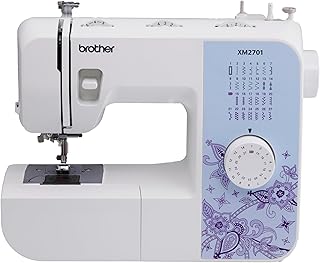
Brother XM2701 Sewing Machine
Check PriceHand sewing canvas is meditative, but it demands a few adaptions. A backstitch gives you the strongest seam, mimiccing a lockstitch machine. Use a running stitch for basting or decorative lines. Waxing your thread with beeswax reduces tangling and helps it glide through dense fabric. Push the needle with a thimble on your middle finger; you will need the force. Pre-poke holes with an awl at sharp corners to avoid bending the needle. For repairs, a sailmaker´s needle and a palmm thimble let you drive through multiple layers with your whole hand.
Troubleshooting Common Canvas Sewing Problems
Even experinced sewers hit snags when they switch to heavy fabrics. Here is how to solve the most frequent issues without throwing your project into the naughty corner.
- Skiped stitches: Often a symptom of a needle that is too thin or dull. Switch to a size 100/16 or 110/18 and re-thread the machine. Also check that the needle is inserted all the way up into the clamp.
- Thread nests under the fabric: Re-thread the top with the presser foot raised so the thread seats in the tension discs. If the bobbin thread is pulling up, the top tension is too tight; loosen it gradully.
- Machine feds uneevenly: A walking foot is the best cure. For small projects, you can simulate the effect by placing strips of tissue paper under the bottom layer to help it move, then tearing the paper away.
- Broken needles: You are likely forcing the fabric or using the wrong needle type. A jean needle has a reinforced blade. Also, never pull the fabric from the back; let the machine fed it.
- Wonky topstitching: Use a longer stitch and a guide, like a magnetic seam guide or a notch on the presser foot. Sew slowly and keep your eyes on the guide, not the needle.
When a home machine conistently balks at your canvas, it might be time to consider a more robust tool. Invest in a machine with a strong motor and metal frame if you plan to sew heavy canvas often. A sew-and-quilt machine can handle occasional layers, but a true heavy-duty model delivers consistent results.
Frequently Asked Questions About Sewing Canvas
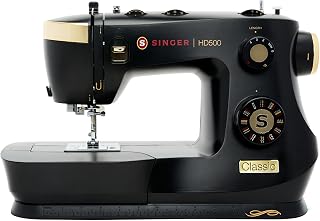
SINGER Heavy Duty 500 Classic Sewing Machine
Check PriceCan I sew canvas on a regular sewing machine?
Yes, most modern machines can handle up to about 10 oz canvas with the right needle, thread, and a walking foot. For heavier weights or multiple layers, you may need to hand-crank over thick spots or invest in a heavy-duty machine. Always test on a scrap before you start the main project.
What stitch length is best for canvas?
Aim for 3.0 to 3.5 mm for seams and up to 4 mm for topstitching. Longer stitches prevent the fabric from tearing along the stitch row and give a more professional look on visible lines.
Should I pre-wash canvas before sewning?
Pre-washing is a good idea if the project will be washed later. Cotton canvas can shrink a fair bit. Wash on a warm cycle and dry on low to remove sizing and tighten the waeve. Do not pre-wash waxed or waterproffed canvas, as you will strip the finish.
How do I prevent my canvas seams from puckering?
A walking foot is the number one defense. Lower the presser foot pressure if your machine allows it, and use a slightly lowwer tension. Holding the fabric gently in front and behind the needle, without pulling, also helps the layers advance evenly.
Is hand sewing canvas practical for big projects?
Hand sewing works beautifully for small repairs, hems, and decorative stitches. For a large bag or upholstery, a machine saves a lot of time. If you choose to hand sew, use a backstitch, a strong needle, and a thimble to protect your fingers.
Conclusion
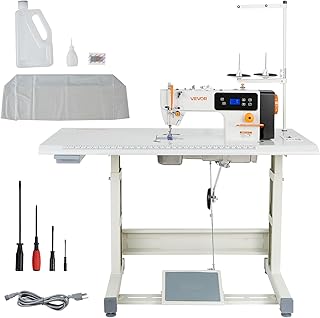
VEVOR Industrial Lockstitch Sewing Machine
Check PriceOnce you understand the fiber and equip your machine with a sturdy needle and the right foot, learning how to sew canvas becomes less about brute force and more about smart technique. Start with a small project – a simple pouch or a belted waistband – and listen to your machine. When the motor hums smoothly and the stitches lie flat, you will feel the satisfaction that comes from taming such a stubborn, rewarding fabric. Keep a sharp needle, double-check your tension, and never hesitate to use a hump jumper. Your next canvas masterpiece is just a few stitches away.

Disclosure: As an Amazon Associate, we earn from qualifying purchases at no extra cost to you. Our posts are created with AI tools and human editing.