
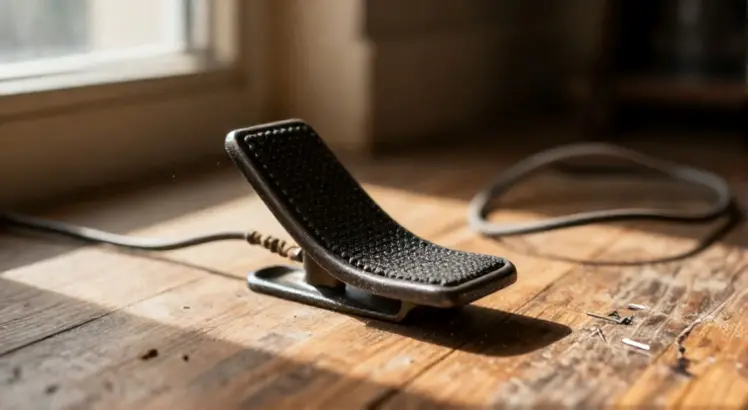
If you own a vintage or modern Singer sewing machine, the foot pedal is one of the most critical components for controlling your stitching speed. A responsive singer sewing machine foot pedal gives you the precision to sew delicate fabrics, navigate sharp curves, and maintain an even stitch length without frustration. Whether you are troubleshooting a faulty pedal, looking for a compatible replacement, or simply curious about how these devices work, understanding the ins and outs of your Singer foot control will make you a more confident sewist.
What Is a Singer Sewing Machine Foot Pedal?
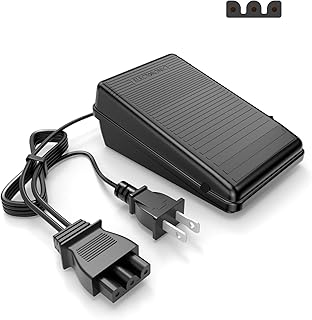
POANES Foot Pedal for Singer 4452/4432/4423
Check PriceA Singer sewing machine foot pedal is a variable speed controller that sits on the floor and is operated by foot pressure. Unlike a simple on/off switch, this pedal lets you sew at a crawl or race through a long seam just by changing how hard you press. Inside the pedal housing, a mechanical or electronic mechanism converts the physical movement of your foot into electrical signals that regulate the machine’s motor.
Most home sewists take the pedal for granted until it starts acting up. Yet this small box is responsible for everything from basting to topstitching. It works in tandem with the machine’s motor, handwheel, and inner wiring to deliver the exact speed you need. When a Singer foot pedal is well-maintained, it can last for decades.
How a Foot Pedal Controls Sewing Speed
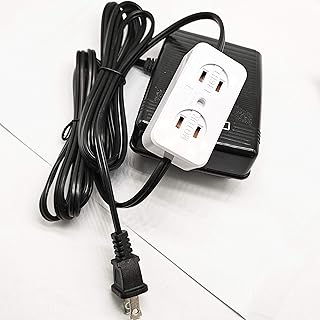
HONEYSEW Universal FC143 Foot Pedal
Check PriceAt its core, a Singer foot pedal acts as a rheostat or electronic potentiometer. Pressing down on the treadle increases the electrical current flowing to the motor, which spins the handwheel faster. Releasing pressure reduces the current and slows the needle. The mechanism inside varies depending on the age and model of your machine.
Mechanical Carbon Pile Pedals
Older Singer machines, especially those from the 1950s through the 1970s, often use a carbon pile foot pedal. Inside, stacked carbon discs compress when you step on the pedal. The more they are squeezed, the lower the resistance, and the more current passes through. These pedals are robust and repairable but can overheat if used for extended high-speed sewing. They also tend to make a faint humming sound and may deliver a slight jump in speed at the very start of the range.
Electronic Foot Pedals
Modern Singer sewing machines use electronic foot controllers. Inside, a circuit board and a potentiometer (or Hall effect sensor) provide smooth, consistent speed regulation. These pedals are lighter, run cooler, and often have a safety fuse to prevent motor damage. They also offer a wider range of speed control, making them ideal for precise tasks like free-motion quilting or sewing on knits.
Types of Singer Foot Pedals
HONEYSEW Universal FC143 Foot Pedal
Check PriceSinger has produced dozens of foot pedal designs over the decades. Knowing which type you have is the first step toward replacement or repair. The most common categories include:
- Two-prong pedals: Found on vintage Singer machines like the 15, 66, 201, and 221 Featherweight. These pedals plug directly into the machine via a two-prong connector and often have a Bakelite housing.
- Three-prong or block connector pedals: Common on machines from the 1960s to 1980s, such as the Singer Stylist and Touch and Sew series. These use a molded plastic connector that locks into the machine body.
- Electronic pedals with a standard jack: Most modern Singer machines (like the Heavy Duty, Quantum, and Confidence series) use a small round plug that fits into a dedicated port on the machine. These pedals often have a slim, low-profile design.
- Air pedal or knee control: Some industrial Singer models use a different type of control, but for home machines, the foot pedal is the standard.
Common Singer Foot Pedal Problems and Troubleshooting
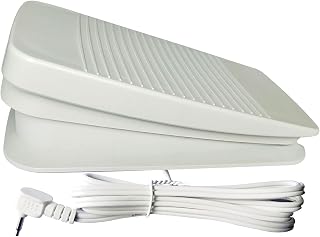
FC‑322 Pedal for Brother Babylock Simplicity
Check PriceEven a sturdy Singer pedal can develop issues over time. The good news is that many problems are easy to diagnose and fix at home. If you prefer a deeper dive into diagnoses, check out this guide on troubleshooting common pedal issues.
Pedal Feels Stiff or Unresponsive
If the foot pedal is hard to press or does not speed up smoothly, the internal mechanism may be gunked up with lint, dust, or dried lubricant. Unplug the pedal, open the housing (if screws are present), and gently clean the contact points with a dry brush or electronic contact cleaner. On carbon pile pedals, the discs may need to be separated and cleaned. On electronic pedals, check for any debris interfering with the slider.
Machine Runs at Full Speed Immediately
This is a classic symptom of a shorted carbon pile pedal or a failed electronic component. With older pedals, the carbon discs can weld together from heat, creating a direct path for electricity. With electronic pedals, a triac or capacitor may have blown. In either case, stop using the pedal immediately to avoid damaging the motor. A replacement is often the safest route.
Intermittent Power or Dead Pedal
Check the obvious first: the plug connection, the wall outlet, and the machine’s power cord. Wiggling the cord where it enters the pedal can reveal a broken wire. If the machine runs without the pedal but not with it, the pedal’s internal wiring or fuse may be the culprit. Many modern Singer pedals have a replaceable fuse inside the unit.
Overheating
Carbon pile pedals naturally get warm during use, but excessive heat can indicate a failing component. Make sure the pedal sits on a hard surface, not on carpet, to allow airflow. If the pedal becomes too hot to touch, discontinue use and consider upgrading to an electronic replacement.
How to Replace a Singer Foot Pedal
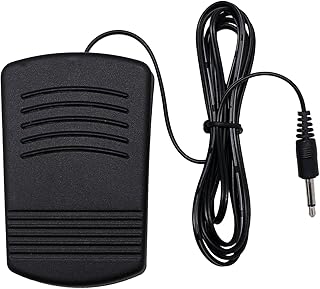
YEQIN Mini Sewing Machine Foot Pedal
Check PriceReplacing a Singer sewing machine foot pedal is straightforward, but you must match the pedal to your machine’s connector type and voltage requirements. Using an incompatible pedal can damage the motor or create a fire hazard.
- Identify the connector: Look at the plug that goes into your machine. Count the pins, note the shape, and measure the overall size if you are unsure.
- Check the voltage rating: Most home Singer machines use 110-120V in North America and 220-240V elsewhere. The pedal must match your local voltage.
- Buy from a reputable source: Genuine Singer replacements or high-quality aftermarket pedals are widely available. For a curated list, see this roundup of best-rated replacement foot pedals.
- Install safely: Always unplug the machine before swapping pedals. Once connected, test the pedal with the machine threaded and the presser foot up, gradually increasing pressure to confirm smooth control.
Foot Pedal Compatibility Across Singer Models
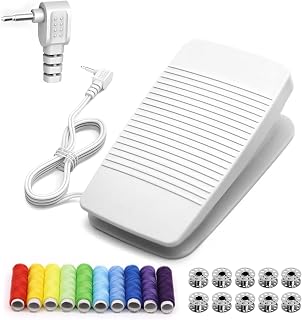
Brother FC‑322 Replacement Pedal
Check PriceOne of the most confusing aspects of Singer foot pedals is compatibility. A pedal that works perfectly on a 1970s Touch and Sew may not fit a modern Heavy Duty, and vice versa. Singer has used at least a dozen different connector designs over the years. Here is a quick reference:
- Vintage blackside machines (15, 66, 99, 128, 201, 221): Two-prong plug, often a button-style controller. These pedals are interchangeable among these models, but some later Featherweights used a different plug.
- Touch and Sew series (600, 620, 750): Three-prong rectangular block connector. Early electronic pedals for these models have a distinctive wedge shape.
- Modern electronic machines (Heavy Duty 44xx, Quantum, Confidence, Tradition): Round plug with a slim, lightweight pedal. Most modern Singer pedals are cross-compatible within this generation, but always verify the part number.
- Singer Serger pedals: Some sergers use a different plug and a two-speed pedal; do not use a sewing machine pedal on a serger unless explicitly stated.
If you are unsure about your machine’s requirements, consult the official Singer foot control guide for detailed specifications and part numbers.
Alternatives to Traditional Foot Pedals
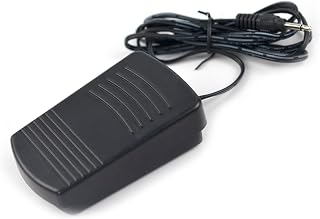
Household Momentary Foot Pedal
Check PriceSome sewists prefer to sew without a foot pedal altogether. Modern Singer machines often include a start/stop button and a speed control slider, which let you operate the machine completely hands-free. This can be a game-changer for quilters who use a large frame or sewists with limited foot mobility.
For those who still want a foot control but find the standard pedal uncomfortable, ergonomic aftermarket pedals offer a wider, angled platform that reduces ankle strain. There are also hand-operated speed controls that attach to the table for sewists who cannot use a foot pedal. If you are exploring these options, our article on sewing machine foot pedal alternatives covers the pros and cons of each approach.
Maintenance Tips for Longevity
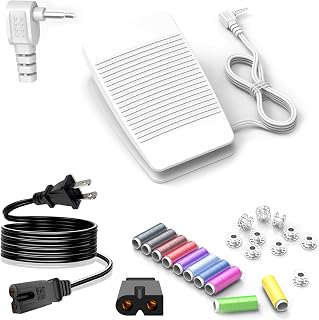
FC‑322 Pedal with 6.5FT Cord
Check PriceA well-cared-for Singer foot pedal can outlast the machine itself. Simple habits go a long way:
- Keep it clean: Unplug and wipe down the pedal housing regularly. Avoid sewing in dusty environments that can clog the ventilation slots.
- Protect the cord: Do not wrap the cord tightly around the pedal. Use a loose loop instead to prevent internal wire breakage.
- Store properly: When not in use, place the pedal in a dry spot away from direct sunlight. Extreme heat can warp plastic housings.
- Listen for changes: A sudden change in sound, erratic speed, or a burning smell means it is time to inspect the pedal immediately.
Frequently Asked Questions
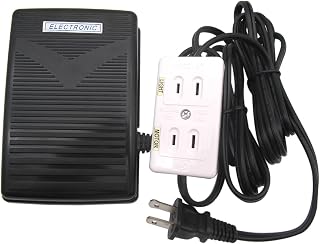
CKPSMS Universal FC143 Foot Pedal
Check PriceCan I use any Singer foot pedal with my machine?
No. Singer foot pedals are not universally compatible. You must match the connector type, voltage, and wattage rating to your specific model. Using the wrong pedal can cause motor damage or electrical shock.
How do I know if my foot pedal is dangerous?
If the pedal sparks, smokes, gets excessively hot, or causes the machine to run without pressing it, stop using it immediately. These are signs of a short circuit or internal failure.
Why does my singer sewing machine foot pedal work only when pressed hard?
On a carbon pile pedal, the carbon discs may be worn or misaligned. On an electronic pedal, the potentiometer may be dirty or failing. A good cleaning often restores normal function.
Is it worth repairing an old Singer foot pedal?
For vintage machines, repairing a carbon pile pedal is worthwhile if you want to preserve authenticity. Electronic pedals are generally cheaper to replace than repair, but checking the fuse first is always smart.
Can I convert a knee-controlled Singer to a foot pedal?
Yes, many vintage Singer machines that originally came with a knee lever can be converted to a foot pedal by swapping the controller and wiring. This is a common modification for standalone cabinets.
Conclusion
Your Singer sewing machine foot pedal is more than just an on/off switch; it is the bridge between your creativity and the fabric. By understanding how it works, recognizing early signs of trouble, and knowing how to find a compatible replacement, you can keep your machine running smoothly for years. Whether you are nursing a vintage carbon pile pedal back to life or upgrading to a modern electronic controller, the right foot pedal will give you the speed precision and confidence every sewist deserves. Pay attention to maintenance, match the pedal to your machine, and never hesitate to replace a unit that shows signs of electrical failure. Happy sewing.
