
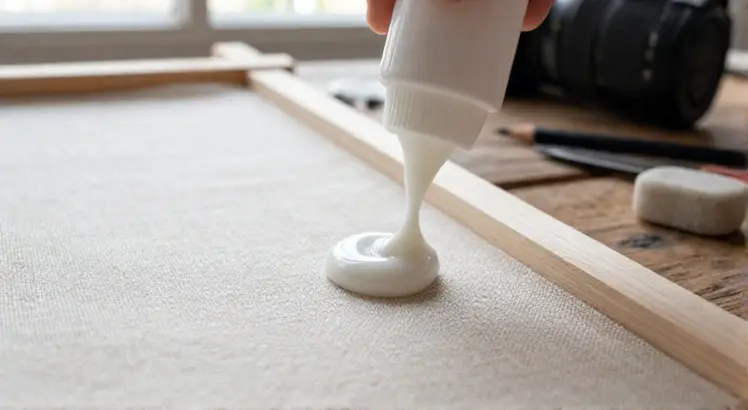
Figuring out if can you glue onto canvas opens the door to countless creative projects. Whether you want to attach fabric, photos, paper, or embellishments to a stretched canvas or canvas board, the short answer is yes, you absolutely can glue onto canvas. But success depends on choosing the right adhesive, preparing your surface, and understanding how canvas behaves. This guide will walk you through everything you need to know to make your bond strong, flexible, and long-lasting.
Understanding Canvas as a Surface
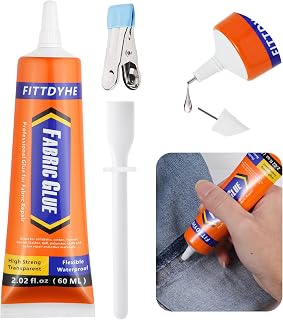
FITTDYHE Fabric Glue Permanent, 60 ML Washable Clear Clothing Glue
Check PriceCanvas isn’t just one uniform material. It can be cotton, linen, or a synthetic blend, and it often comes primed with gesso or left raw. Primed canvas has a slightly absorbent, chalky coating that helps paint grip but can affect glue adhesion. Raw canvas is more porous and fabric-like, which makes it easier for certain glues to grab hold but also more prone to wicking moisture into the fibers. Knowing which type you are working with helps you pick an adhesive that will actually stick without warping or peeling over time.
Stretched canvas, mounted on wooden bars, also moves with changes in humidity and temperature. The fabric flexes slightly, so a rigid or brittle glue might crack as the canvas expands and contracts. That is why flexibility is one of the most important qualities to look for in a glue meant for canvas. Most successful canvas projects rely on adhesives that remain slightly pliable after curing.
Best Glues for Canvas Projects
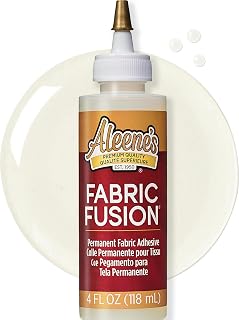
Aleene’s Fabric Fusion Permanent Adhesive
Check PriceChoosing the right adhesive can feel overwhelming with so many options on craft store shelves. Below is a breakdown of the most effective glues for canvas, along with what each one does best. For an even broader selection, you can explore the best adhesives for canvas projects to compare top-rated products.
PVA Glue (White Craft Glue)
Polyvinyl acetate, often sold as school glue or woodworking glue, is a go-to for paper and lightweight porous materials on canvas. It dries clear, is nontoxic, and remains somewhat flexible. It works best when used in thin, even layers on primed canvas. For heavier items, however, PVA may not hold up unless you use a thick variant like bookbinding glue. You can also seal paper collage elements with a diluted PVA topcoat once everything is dry.
Fabric Glue
If you plan to attach fabric, ribbon, or trims to canvas, fabric glue is the most reliable choice. Formulas designed for textiles stay flexible after drying and form a strong bond that can handle movement without cracking. Many fabric glues are also washable, which might not matter on wall art but is useful for bags or wearable canvas. Look for a permanent fabric glue that specifies suitability for porous substrates like cotton canvas.
Hot Glue
Hot glue can work on canvas when you need an instant grab. It is especially handy for three-dimensional embellishments, like faux flowers, buttons, or wooden letters. The bond is durable but may become brittle over time, especially in cold environments. For best results, test a small area first and avoid using high-temperature glue on synthetic canvases that could melt. A low-temp glue gun is often safer.
Spray Adhesive
Photo transfers, fabric panels, and large paper cutouts benefit from spray adhesives. They provide an even coat without lumps and are easy to reposition for a few seconds during application. Choose a permanent, acid-free spray if you want your artwork to last without yellowing. Always work in a well-ventilated area and mask off parts of the canvas that should stay glue-free.
Epoxy and Super Glue
For heavy, non-porous items like metal charms, glass cabochons, or dense plastic, a two-part epoxy or cyanoacrylate (super glue) can be necessary. Epoxy fills gaps and sets into an extremely strong, rigid bond. The tradeoff is that it does not flex, so it can pop off a flexible canvas if the canvas bends. Use it sparingly on sturdy, unstretched boards or in small areas where movement is minimal. If you are curious about specific brand performance, check whether Gorilla Glue works well on canvas, as its polyurethane formula reacts differently with moisture.
Step-by-Step: How to Glue Items onto Canvas
Lineco Neutral pH Adhesive, Acid Free All-purpose Glue
Check PriceFollowing a reliable process prevents bubbling, weak spots, and messy edges. Here is a straightforward method that works for most projects where you glue onto canvas, whether you are attaching fabric, photos, or decorative paper.
- Clean the canvas surface with a dry cloth or a lightly dampened lint-free rag. Remove dust, loose threads, and any oils from your hands. Let it dry completely before applying glue.
- If your canvas is unprimed and you are using a water-based glue, consider applying a thin coat of gesso to seal the fibers. This prevents the glue from soaking through and weakening the bond.
- Spread a thin, even layer of adhesive onto the back of your item or directly onto the canvas, depending on the material. Use a brush, sponge, or your finger inside a glove for smooth coverage. Avoid globs that will ooze out from the edges.
- Position the item carefully. Once it touches the canvas, slide it gently into the exact spot instead of lifting and reapplying, which can cause air pockets.
- Press down firmly from the center outward using a brayer, a bone folder, or the side of your hand. Work slowly to push out any trapped air. For fabric, apply even pressure across the entire surface.
- Wipe away any excess glue immediately with a damp cloth or cotton swab. Once the glue dries, it becomes much harder to remove without damaging the canvas or the attached item.
- Place a weight on top of the item or leave the canvas flat to dry for the full recommended cure time. Avoid hanging it until the bond has fully set, which for some adhesives can take 24 to 48 hours.
Common Mistakes to Avoid When Gluing on Canvas
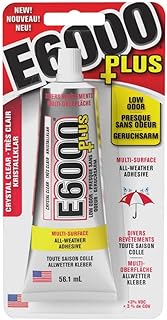
Eclectic Products inc. E6000 Plus Multi-purpose Clear Glue
Check PriceEven simple canvas gluing projects can go wrong if you skip a few basic precautions. Knowing what to avoid will save you time and materials.
- Using too much glue. Excess adhesive can seep through fabric or paper, creating dark stains and stiff spots. Thin layers are stronger than puddles.
- Ignoring the flexibility factor. If you are working on stretched canvas, flexible fabric glue or PVA will survive handling better than brittle super glue or epoxy.
- Rushing the dry time. Removing the weight or hanging the piece before the glue cures fully is the main reason edges start to lift after a few days.
- Applying glue onto a dirty or dusty surface. Canvas attracts lint and fibers; always wipe it down first so the glue can bond to the canvas, not to loose particles.
- Choosing the wrong glue for the material. Metal on canvas needs a different adhesive than paper on canvas. Test a scrap piece if you are unsure.
Glue Compatibility for Different Canvas Items
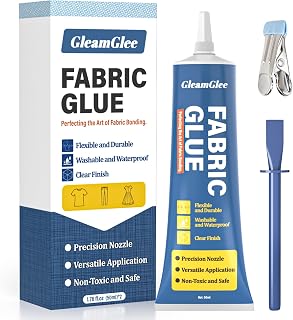
Fabric Glue Permanent, Extra Strong Clear Washable Clothing Glue
Check PriceThe question ‘Can you glue onto canvas?’ really depends on what you are trying to attach. Below is a quick reference that matches common materials with the most suitable adhesives.
- Fabric and felt: Fabric glue or Aleene’s flexible tacky glue. Liquid stitch works well for thicker textiles.
- Paper and cardstock: PVA glue, gel medium, or glossy accents for a smooth finish. Spray adhesive for large, flat sheets.
- Photos: Acid-free spray mount or a thin layer of yes! paste. Avoid water-heavy glues that can warp photo paper.
- Wooden shapes: Tacky glue, E6000, or hot glue. Sand the wood lightly for better adhesion.
- Plastic and resin pieces: E6000 or a clear two-part epoxy. Super glue gel for small, precise attachments.
- Glass and metal: Clear silicone adhesive or epoxy. Make sure the canvas is supported so it does not flex and crack the bond.
- Feathers and delicate trims: PVA with a small brush; hot glue can burn fine details. Low-temp glue guns offer a middle ground.
How to Ensure a Permanent Bond
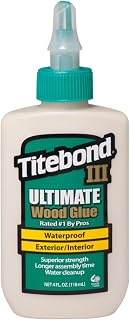
Franklin International 1412 Titebond-3 Glue, 4-Ounce
Check PriceIf you want your canvas art to last for years, the secret lies in surface preparation and the finishing technique. Seal the canvas with a thin layer of matte medium before you glue anything, especially if you are mixing paint and collage materials. This priming step gives the glue a uniform, slightly toothy surface to grip. After attaching your item, you can also brush a light coat of decoupage medium over the entire piece to lock edges and protect against dust and moisture.
Temperature and humidity also play a role. Let your project cure at room temperature, away from direct sunlight, air vents, or damp basements. Rapid drying can cause uneven shrinkage and weak spots. For large fabric-on-canvas projects, you might even turn the canvas face down on a padded surface and use a warm, dry iron over a pressing cloth to activate the fabric glue and remove wrinkles. Always check the glue manufacturer’s instructions first.
To deepen your understanding of fabric adhesives in craft settings, you can read about fabric glue for crafts from a trusted source. Learning the basics of different glue chemistries helps you make the right choice for every new canvas project.
Frequently Asked Questions About Gluing on Canvas
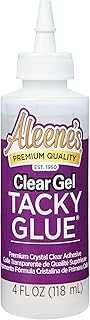
Aleene’s Clear Gel Tacky Glue, Dries Clear, 4 fl oz
Check PriceCan you use hot glue on canvas?
Yes, hot glue works for many canvas crafts, especially for attaching lightweight ornaments, lace, or three-dimensional accents. Use a low-temperature gun to reduce the risk of scorching the canvas or melting delicate items. The bond is immediate but can become brittle with time, so it may not be the best choice for pieces that need to stay flexible or withstand movement.
Will super glue hold on canvas?
Super glue, or cyanoacrylate, bonds extremely well on hard, non-porous surfaces but can struggle on flexible, fibrous canvas. It dries rigid and can crack if the canvas stretches. For small, hard items that won’t move, a gel super glue applied in a tiny amount can work, but it is rarely the first choice for fabric-based canvas art.
Does fabric glue work on canvas?
Absolutely. Fabric glue is designed to bond textiles and remains pliable after drying, making it an excellent option for canvas. It adheres well to both primed and unprimed canvas and is available in permanent, washable, and clear-drying formulas. This is often the recommended adhesive for gluing patches, appliques, or fabric collages onto canvas surfaces.
What is the strongest glue for canvas?
The strongest bond typically comes from a flexible, industrial-strength adhesive like E6000 or a canvas-specific contact cement. Epoxy offers incredible tensile strength but lacks flexibility, so it is best used only on canvas boards that will not be bent. For items that need to stay put permanently without cracking under light movement, look for a craft glue labeled as tough, flexible, and suitable for porous materials.
How do you glue pictures onto canvas without wrinkles?
Use a spray adhesive or a very thin, even layer of paste applied with a foam brush. After positioning the photo, start pressing from the center outward with a brayer or a clean plastic card. If you are using wet glue, place a sheet of wax paper over the photo and weigh it down with a heavy book while it dries. This prevents bubbles and curling. For a polished look, you can also seal the photo with a decoupage topcoat after the adhesive sets.
Conclusion
You really can glue onto canvas with fantastic results once you match the adhesive to your material and application. Flexible glues like fabric glue and PVA handle everyday canvas movement, while spray adhesives and epoxies solve specific challenges. Always prep your surface, apply thin coats, and respect the cure time. With these habits, your canvas projects will stay secure, wrinkle-free, and ready to display. Start small, test your materials, and you will soon feel confident gluing anything from delicate paper to chunky embellishments onto canvas.
