
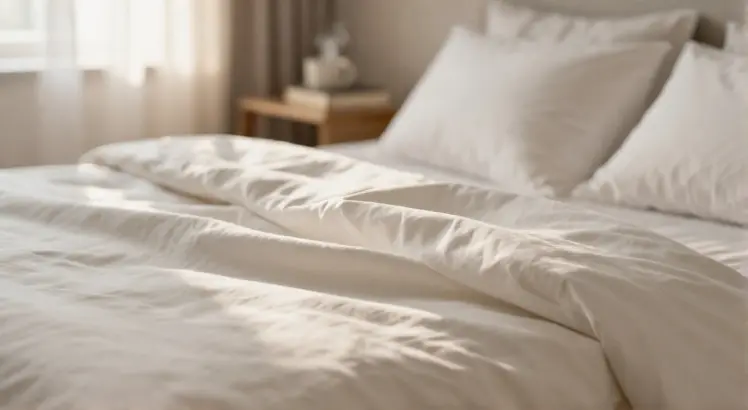
Everyone knows the feeling of slipping into a hotel bed with impossibly crisp, cool sheets. You wonder why you cant replicate that at home. The secret usually is not in the thread count alone; it lies in choosing the correct material for bed sheets. Many people grab the softest pack off the shelf, only to find they sleep hot or the fabric pills after three washes. Selecting the perfect bedding is a deep dive into fibers and weaves, but understanding the basics changes how you sleep at night.
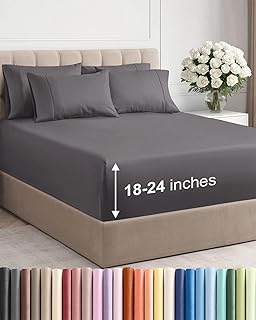
Extra Deep Queen Sheet Set – 6 Piece Breathable and Cooling Sheets
Check PriceNavigating the world of textiles can feel overwhelming. You have likely encountered terms like long-staple cotton, percale, or viscose from bamboo. Sorting through the marketing claims is tough. This guide breaks down the most popular options, from natural and breathable choices to budget-friendly synthetic blends. We will cover the feel, durability, and care instructions for each, ensuring you make a choice that fits your comfort level and lifestyle. Your bed is an investment, and the surface you sleep on directly affects your rest.
The Gold Standard: Cotton Bed Sheets
Extra Deep Queen Sheet Set – 6 Piece Breathable and Cooling Sheets
Check PriceCotton dominates the market because it is a natural fiber that breathes well. It wicks moisture away from the body and generally becomes softer with every wash. However, not all cotton is created equal. The quality depends heavily on the staple length, which means the length of the individual fiber. Longer staples create smoother, stronger yarns. Generic cotton sheets can feel rough and are prone to pilling, which is why understanding the specific type is vital.
Egyptian Cotton: Myth vs. Reality
True Egyptian cotton comes from the Gossypium barbadense plant, producing extra-long staple fibers. This length allows spinners to create ultra-fine, highly durable yarns with almost no lint. The result is a fabric that feels silky and substantial without being heavy. However, the market is flooded with counterfeits. If the price seems too good to be true, it is likely a blend or low-grade cotton labeled as Egyptian. Genuine Egyptian cotton sheets are breathable and become softer over years of use, resisting pilling better than short-staple alternatives. You want to look for brands that specify the origin and certifications to ensure you are getting the real deal.
Pima and Supima Cotton
Pima cotton is another high-quality long-staple fiber grown in the U.S., Australia, and Peru. It shares many characteristics with Egyptian cotton but is often more affordable. Supima is the trademarked name for American-grown Pima cotton and represents the top tier of quality. It undergoes rigorous inspection to ensure it is 100% Pima. Supima sheets are exceptionally soft and hold dye beautifully, so they rarely fade. For anyone looking for a reliable, luxurious sheet that is easier to verify than Egyptian cotton, Supima is a fantastic choice.
Organic Cotton
The focus here is less on a specific species and more on the farming process. Organic cotton is grown without synthetic pesticides, herbicides, or genetically modified seeds. For those with sensitive skin, allergies, or eczema, this material for bed sheets can be a game-changer. It is purer and less likely to contain skin irritants. You will feel a slight difference in texture; organic sheets often have a crisp, clean matte finish rather than a high sheen. Look for GOTS certification to guarantee the cotton truly meets organic standards from harvest to finish.
Linen: The Lived-In Luxury
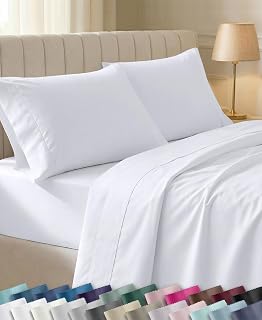
California Design Den Soft 100% Cotton Sateen Queen Bed Sheets Set
Check PriceLinen is made from the fibers of the flax plant. It is an entirely different experience from cotton. If you define comfort as a cool, airy, slightly textured feel, linen is superior. It is the undisputed champion of breathability. The hollow nature of flax fibers allows air to circulate freely, wicking moisture away from the body rapidly. Hot sleepers often swear by linen because it lowers body temperature, keeping the sleep surface dry.
Texture is a major sticking point for newcomers. Unlike crisp cotton sateen or percale weaves, linen has a naturally slubbed, relaxed look. It does not stick to your body or trap heat. Does it wrinkle? Absolutely. That is part of its aesthetic. It softens dramatically over time, becoming heirloom-quality bedding. It is significantly stronger than cotton, meaning a good set of linen sheets can last decades if cared for properly. While the initial cost is high, the longevity makes it a worthwhile investment for those prioritizing temperature regulation.
When shopping for linen, stonewashed finishes are ideal because they pre-soften the fabric. To get the best quality construction techniques for sturdy items, you might also look into instructions on sewing dense textiles, as sewing thick linen requires similar heavy-duty machine settings.
Silk: The Ultimate in Smoothness
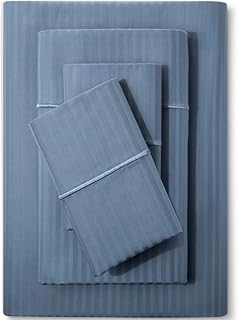
Feather & Stitch 100% Cotton Sateen 500 TC Queen Size Bed Sheet Set
Check PriceSilk sheets are the pinnacle of indulgence. They are naturally hypoallergenic and resist dust mites, mold, and mildew because of sericin, a natural protein. Silk also contains amino acids, similar to those found in human skin, which some experts believe helps retain moisture in the skin. The smooth surface reduces friction, making it beneficial for curly hair types prone to breakage.
However, silk is the highest-maintenance material on this list. Mulberry silk is the highest grade, produced by silkworms fed exclusively mulberry leaves. Momme weight determines the quality; a high momme count like 19 to 25 is denser and more durable. Synthetic satin is often sold as silk, but true silk is a natural protein fiber. It traps heat less than polyester but is not as breathable as linen. It requires hand washing or delicate cycles and specific detergents. If you prefer a cool, low-friction surface, charmeuse weave silk is an unbeatable sensory experience.
Synthetics and Regenerated Fibers
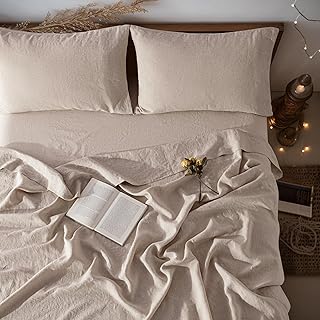
LBRO2M 100% French Organic Linen Sheet Set 4Pcs
Check PriceAlongside natural fibers, a massive segment of the market offers alternative materials. Many aim to solve specific problems like durability or cost, while others focus on sustainability. These fabrics are rarely one hundred percent natural, so their breathability varies.
Microfiber: Budget-Friendly Softness
Microfiber consists of finely woven synthetic fibers, typically a polyester-nylon blend. They are incredibly durable, stain-resistant, and wrinkle-free. The biggest draw is the buttery soft texture and low price point. The major drawback is breathability. The tight weave often traps body heat. For cold climates or winter months, this is an advantage. For hot sleepers, microfiber can feel like wrapping yourself in a plastic bag. It is also prone to static buildup.
Tencel and Lyocell
Tencel is a brand name for lyocell, a fiber manufactured from sustainably sourced wood pulp, often eucalyptus. The production process is a closed-loop system, meaning solvents are recycled, making it eco-friendly. The feel of Tencel is unique. It offers a silky drape and a cool-to-the-touch sensation, similar to a hybrid between cotton and silk. It is also naturally antibacterial and resistant to bacterial growth because it manages moisture effectively.
If you love the feel of silk but want something easier to care for and plant-based, Tencel is an excellent route. However, it can be prone to shrinking in hot water and can wrinkle. You must follow care instructions stringently. It is less durable than long-staple cotton, but the smooth surface is very gentle on sensitive skin.
How Weave Affects Your Sheet Choice
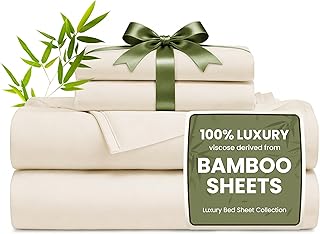
Love’s cabin 4 Piece Queen Sheet Set, 100% Rayon Derived from Bamboo
Check PriceWhen selecting a material for bed sheets, you are also selecting a weave pattern. The same fiber can feel completely different depending on how the yarns are intertwined. This is often where consumers get confused because they blame the cotton type when the weave is the issue.
- Percale: A tight, one-over-one-under weave that creates a crisp, matte finish. It is lightweight, highly breathable, and perfect for hot sleepers and summer nights. It can feel a bit stiff initially but softens over time.
- Sateen: A one-under-three-over (or similar) weave exposing more thread surface. This creates a silky, lustrous drape that feels warm to the touch at first. It is heavier and drapes closer to the body, making it ideal for cooler weather or those who love a silky feel.
- Jersey: This is a knit rather than a weave, giving it a stretchy, t-shirt-like feel. It is cozy and casual. This material for bed sheets eliminates wrinkles entirely but can pill over time and retain heat.
Practical Tips for Buying and Care
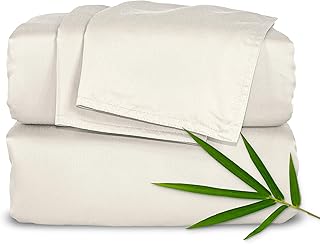
Pure Bamboo King Sheets, Genuine 100% Organic Viscose Derived from Bamboo
Check PriceKnowing the fabric is half the battle. How you maintain them determines if they last a year or a decade. Follow these guidelines to maximize your investment:
- Ignore thread count traps: A 1,000-thread count sheet made with poor-quality, short-staple cotton will sleep worse than a quality 300-thread count percale. Multi-ply yarns can artificially inflate numbers.
- Wash before first use: Manufacturers use finishing agents called sizing. A cold wash cycle removes this and primes the fibers for softness.
- Separate your laundry: Polyester blends create friction that damages natural fibers. Wash cotton and linen separate from synthetics. Zippers and hooks are also enemies of fine weave sheets.
- Skip the fabric softener: Softener coats natural fibers like cotton and linen with a waxy residue. This build-up reduces breathability and traps odors. Use a half-cup of white vinegar in the rinse cycle instead.
- Check the fit: Shrinkage varies by material. Linen can shrink by 3 to 4 percent. Cotton usually less. Deep pocket sheets are safer for thick mattress toppers.
Common Questions About Sheet Materials
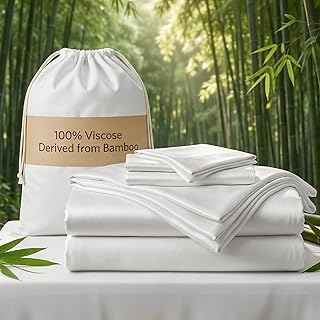
TWK Real 100% Viscose Derived from Bamboo Sheets Set King Size
Check PriceWhat material for bed sheets is best for hot sleepers?
Linen and percale cotton are the best choices. Linen has an open weave and hollow fibers to release heat. Percale is crisp and airy. Avoid sateen weaves and microfiber, as they trap heat close to the body.
Are bamboo sheets actually bamboo?
Usually, no. Most sheets labeled bamboo are actually viscose or rayon made from bamboo cellulose. The raw plant is chemically dissolved and reformed into fiber. It is semi-synthetic. Mechanically processed bamboo linen exists but is rare and expensive. Always look for Tencel or lyocell for a more eco-conscious manufacturing process, as noted by guidelines from Federal Trade Commission textile regulations.
How do I stop my linen sheets from shedding lint?
Lint shedding is normal for new linen during the first few washes. The short, broken fibers from weaving need to release. Wash with cold water and dry on low heat. The shedding will stop after a handful of cycles. Good quality flax requires time to break in.
Is a higher thread count always more durable?
No. Durability comes from fiber length, not thread count. Single-ply, long-staple cotton like Supima will outlast a high-thread-count sheet woven from cheap, thin strands. The thin strands need multiple plys to hold together, which creates a brittle, heavy sheet that pills quickly.
Why is silk good for hair and skin but hot to sleep on?
Silk is a protein fiber and an insulator. While smooth enough to prevent friction frizz and sleep creases, the tight charmeuse weave can hold heat. If you want the beauty benefits but sleep warm, stick to a silk pillowcase instead of a full silk sheet set, and pair it with a breathable linen flat sheet.
Making the Choice That Fits Your Lifestyle
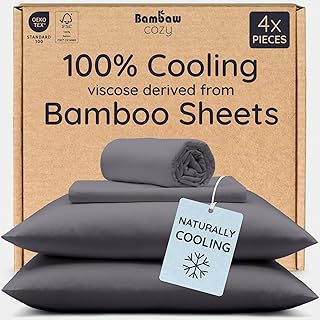
Bambaw 100% Viscose Derived from Bamboo Sheets Queen Size Set
Check PriceThe sheer volume of choices means there is no single perfect sheet for everyone. It comes down to a balance between thermal regulation, texture preference, and maintenance tolerance. If you love a crisp, cool bed and hate ironing, a high-quality long-staple cotton percale is your comfort zone. If you like weight, wrinkle resistance, and softness at a low cost, brushed microfiber might work, though you sacrifice breathability.
For the environmentally conscious sleeper, GOTS-certified organic cotton or Tencel lyocell offers peace of mind without sacrificing luxury. For the romantic who wants a room that looks effortlessly chic, linen creases are a sign of quality, not carelessness. Pay attention to the return policy. True material feel is tactile. Unwrap one pillowcase first and wash it. If it doesn not suit your skin after a night, return the set unopened. Good sleep is a necessity, and the material for bed sheets you choose is the foundation of that rest.
