
Finding the right adhesive for a tough, woven fabric can feel like a gamble. You might be repairing a torn tent, stiffening a tote bag, or working on a mixed-media art piece, and you need a bond that won’t quit. If you have a bottle of Original Gorilla Glue in your toolbox, you might wonder if it is the right solution for your canvas project. The question is gorilla glue good for canvas is a common one because this polyurethane adhesive is famous for its industrial strength. However, the answer is not a simple yes or no. It depends entirely on the type of canvas, the purpose of the bond, and the specific formula you choose from the Gorilla lineup.
Understanding the Chemistry: What Happens When Polyurethane Meets Fabric
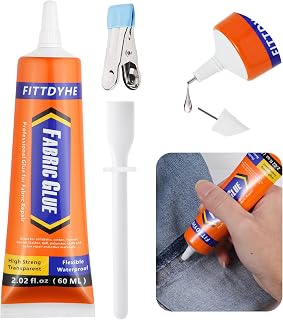
FITTDYHE Fabric Glue Permanent, 60 ML Washable Clear Clothing Glue
Check PriceTo understand the interaction, we first need to look at what Original Gorilla Glue actually is. It is a moisture-activated polyurethane adhesive. Unlike white school glue or even super glue, this product requires a bit of dampness to cure properly. When you apply it to a surface and introduce moisture, a chemical reaction causes the glue to expand, foam up, and harden into a rigid, dense plastic. This expansion is the main point of conflict when asking is gorilla glue good for canvas. Canvas is typically flexible, while cured polyurethane is not. The bond might hold, but the feel of the material will completely change.
When You Should Never Use Original Gorilla Glue on Canvas
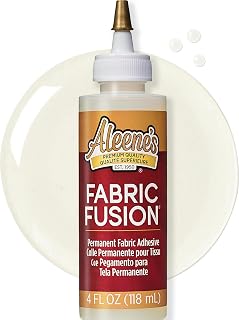
Aleene’s Fabric Fusion Permanent Adhesive
Check PriceThere are specific scenarios where reaching for the dark brown, expanding formula is a recipe for disaster. Canvas is prized for its drape and texture, and Original Gorilla Glue actively destroys those qualities. If you are working on a wearable item or a flexible upholstery application, this adhesive will leave a hard, yellowed patch that feels like plastic. The foaming action is also messy. It can seep through the weave of the canvas, leaving a crusty residue on the front side of your work that is impossible to remove cleanly.
- Clothing and Soft Accessories: Never use it to hem canvas pants or fix a ripped chore coat. The cured glue is abrasive and will irritate the skin.
- Art Canvas Supports: If you are stretching raw painter’s canvas, avoid this glue. It dries brittle and can crack as the canvas naturally expands and contracts with humidity.
- Visible Hems: The dark brown color of the original formula looks dirty on white or light-colored cotton duck cloth.
Is Gorilla Glue Good for Canvas in Specialty Applications? 3 Instances It Works
Lineco Neutral pH Adhesive, Acid Free All-purpose Glue
Check PriceDespite the warning above, there are niche situations where a polyurethane adhesive is exactly what you need. The key is that the canvas must act more like a rigid board than a flexible fabric. Here is where the answer to is gorilla glue good for canvas becomes a cautious yes:
1. Stiffening and Shaping Mixed Media Art
Artists working on heavy-duty mixed media pieces often use glue to sculpt canvas. If you need to create a hard, rock-like drapery on a wall sculpture, the expansion of Original Gorilla Glue can actually serve as a texture medium. You can saturate a piece of canvas, bunch it up, glue it to a wooden substrate, and let the foam harden to create permanent, rigid peaks. In this context, the glue is not just bonding; it is becoming part of the structure.
2. Industrial Tool Belt and Bag Bottoms
If you are crafting a heavy-duty leather and canvas tool belt, you might use Original Gorilla Glue as a filler and stiffener between layers that will be riveted. For example, gluing a thick canvas liner inside a leather sheath creates a rigid protective layer. Since this area does not need to flex, the hard cure is actually a benefit. Just ensure the glue is fully trapped between two layers so the foamy squeeze-out does not become an eyesore.
3. Waterproofing Seams on Outdoor Gear (In a Pinch)
Original Gorilla Glue is 100% waterproof once cured. If you are in the field and have a catastrophic tent seam failure, a thin layer of polyurethane glue can seal a leak. However, this is a permanent, ugly fix. It will stain the area and make the fabric impossible to fold flat. For gear repair, this should be a last resort, not a first choice.
The Superior Choice: Why Gorilla Fabric Glue Wins for Canvas
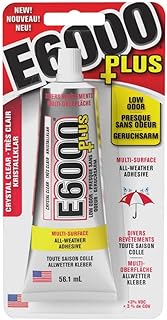
Eclectic Products inc. E6000 Plus Multi-purpose Clear Glue
Check PriceIf you picked up a bottle of the original formula, you might be looking at the wrong product entirely. The company also manufactures a product specifically designed to answer a resounding yes to is gorilla glue good for canvas. Gorilla Fabric Glue is a completely different chemistry. It is a water-based, crystal-clear formula that remains flexible after drying. It does not expand, meaning it penetrates the fibers without pushing them apart. This creates a high-strength bond while keeping the drape of the canvas intact, making it perfect for hems, patches, and general repairs on cotton duck canvas items like slipcovers or shoes.
A Detailed Comparison: Original vs. Fabric Glue for Canvas Projects
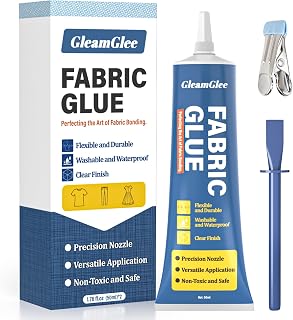
Fabric Glue Permanent, Extra Strong Clear Washable Clothing Glue
Check PriceChoosing the wrong glue can ruin hours of work. To visually clarify the differences, let’s break down how these two adhesives perform on a standard 10oz cotton duck canvas.
- Flexibility: Original dries like hard plastic, splintering if flexed. Fabric Glue dries with a bond that stretches with the fabric.
- Appearance: Original cures to an ugly tan/dark brown color. Fabric Glue dries completely clear and matte.
- Application: Original requires clamping and moisture and expands into a messy foam. Fabric Glue applies like a thick gel and stays exactly where you put it.
- Washability: Original is nearly impossible to get out of clothes. Fabric Glue is formulated to survive machine washing cycles without breaking down.
- Strength: For sheer tensile strength on a porous surface, Original might be technically stronger, but it creates a weak shell layer. Fabric Glue creates a fiber-fusion bond that is stronger for fabric stress.
How to Properly Bond Canvas with Gorilla Fabric Glue
Franklin International 1412 Titebond-3 Glue, 4-Ounce
Check PriceTo achieve a professional finish on sewing projects or home decor, technique matters just as much as the specific formula. Even with a flexible adhesive, you must treat canvas with care due to its heavy, textured nature. Here is the best practice for a flawless bond:
Step 1: Pre-Wash and Prep
Heavy canvas often comes coated with sizing or starch to make it look crisp on the bolt. This barrier stops glue from penetrating deep into the fibers. Always wash and completely dry your fabric before applying glue to remove the finish. For a stronger mechanical bond, you can lightly scuff the surface area with fine sandpaper.
Step 2: Apply a Thin, Even Coat
Using Gorilla Fabric Glue, squeeze a thin, consistent line onto the fabric. Canvas is absorbent, so a thick pool of glue will take forever to dry and may stiffen the area. Use a foam brush or a silicone spreader to push the gel into the weave. For hems, apply the glue line about a quarter-inch from the edge to prevent squeeze-out when you press it down.
Step 3: The Set and Cure Time
Press the two pieces of canvas together firmly. You can use weights, books, or heavy-duty sewing clips to hold the bond. Do not use a hot iron on the glue seam unless the bottle specifically says it is safe for heat settings; some fabric glues can melt and degrade with direct heat. Allow the bond to set for at least 24 hours before stressing the seam.
Common Canvas Scenarios and Your Best Glue Choice
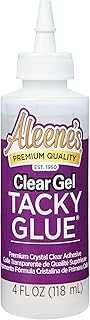
Aleene’s Clear Gel Tacky Glue, Dries Clear, 4 fl oz
Check PriceSometimes, it is easiest to look at specific projects to know what to grab off the shelf. Here are three frequent DIY challenges that involve canvas and glue.
Repairing a Canvas Tear
If you have a rip, do not use the thick tan glue. You need a no-sew patch method using Gorilla Fabric Glue. Cut a patch of matching canvas, apply the clear glue around the edges of the patch, and slide it into the tear. The glue needs to bond the patch to the underside of the fabric for an invisible repair.
Attaching Embellishments to a Canvas Bag
Whether you are gluing on sequins, patches, or decorative trim, avoid the expanding polyurethane. Even a clear super glue from the Gorilla brand can leave a brittle, white frosting haze on dark canvas. Stick to the flexible fabric glue for a bond that moves with the bag when you load it with groceries.
Bonding Canvas to Wood
This is the one time Original Gorilla Glue can shine if you are stretching canvas for a rigid art panel. When you wrap a canvas around a wooden stretcher bar, you can glue the canvas to the wood on the back of the frame only. The glue will foam and lock the fabric into the wood grain permanently. Because this part of the canvas is hidden and does not flex, the rigid bond is actually an asset.
Navigating the Gorilla Product Line for Canvas
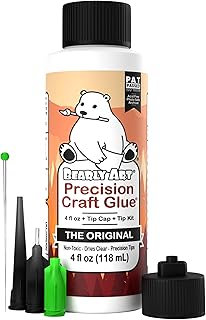
Bearly Art Precision Craft Glue Original 4 fl oz with Tip Kit
Check PriceThe brand has expanded well beyond the original bottle. If you are standing in the hardware aisle confused, here is a quick cheat sheet to help you decide which glue to buy for canvas:
- Gorilla Heavy Duty Fabric Glue: The top recommendation for flexible canvas repairs. It leaves a smooth, clear finish and is fully machine washable once cured.
- Gorilla Clear Grip: An ultra-clear adhesive that is waterproof but flexible. It works well for smooth, coated canvas (like a waxed canvas backpack) where other water-based glues might not stick.
- Original Gorilla Glue: Only for structural, rigid applications where the canvas is functioning as a composite layer and the foaming, dark color is not a problem.
Frequently Asked Questions About Gluing Canvas
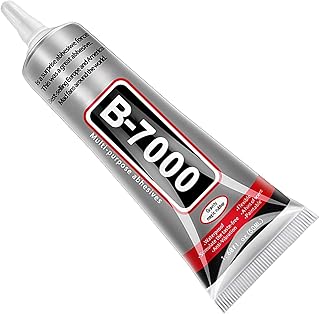
B7000 Jewelry Glue for Making, FITTDYHE 50ML Clear Adhesive
Check PriceWill Gorilla Glue crack on canvas shoes?
Original Gorilla Glue will crack. Shoes bend constantly at the toe box, which requires a flexible bond. If you use the original expanding glue to fix a split sole on canvas shoes, the repair will grind against itself and crumble within a few steps. Always use the clear flexible formula for footwear; it is designed to withstand constant bending and stretching.
Can I use Gorilla Glue to stiffen canvas for crafting?
Yes, if you dilute it. Artists sometimes mix Original Gorilla Glue with a small amount of water on a rough paint palette to create a paintable medium. When painted onto canvas, the water triggers the cure, and the glue hardens the fabric into a shell. Be aware this is a toxic process; you must work in a very well-ventilated area because the fumes are much stronger than acrylic paint.
Is Original Gorilla Glue toxic on canvas?
The cured glue is inert and generally non-toxic, similar to plastic. However, if you are using canvas for a baby bib or a pet toy, you absolutely should not use it. While the cured plastic might be safe, small pieces of the brittle glue can chip off and become a choking hazard.
Conclusion: Matching the Glue to the Job
So, is gorilla glue good for canvas? The original formula is a high-risk, low-reward option for most fabric tasks. It turns a soft, flexible textile into a hard, discolored plastic board. For almost every beginner and intermediate project, from hemming pants to repairing a torn awning, you should ignore the iconic brown bottle and reach for Gorilla Fabric Glue instead. It bonds strongly, dries clear, and preserves the natural movement of the material. Understanding that Gorilla Glue is a whole product family, not a single liquid, is the secret to a successful repair. Match the flexibility of the glue to the flexibility of your canvas, and your project will last for years.
For more in-depth guidance on working with heavy materials, check out our guide on the best canvas sewing machine for professional results. If you are looking for the strongest overall attachment method, read our comparison on the best glue for canvas to see how fabric adhesives stack up. For a broader look at how professional-grade adhesives perform in the textile world, you can also review this material bonding database for additional insights.
