
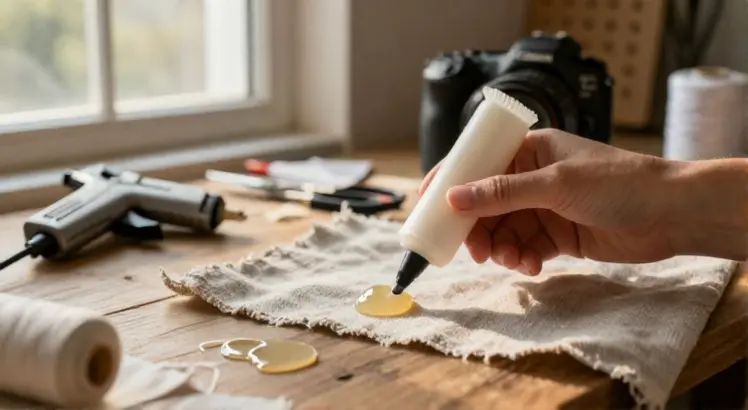
Maybe you need a quick hem on a pair of jeans, or you want to attach a patch without threading a needle. You wonder, does hot glue work on fabric? The short answer is yes, it can hold fabric together, but the real question is how well and for how long. Whether hot glue is the right choice for your project depends on the fabric type, the wear and tear it will face, and your expectations for flexibility and washability. This guide breaks down when hot glue is a clever shortcut, when it will fail, and what you can do to get a strong bond that actually lasts.
How Does Hot Glue Interact with Fabric?
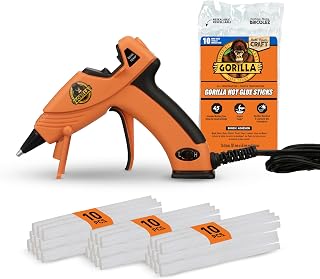
Gorilla Mini Hot Glue Gun Kit
Check PriceTo understand if hot glue works, look at what happens when molten adhesive meets fabric. Hot glue is a thermoplastic that melts into a liquid and solidifies as it cools. When applied to fabric, the hot, flowable glue seeps into the weave and around individual fibers. As it hardens, it forms a mechanical grip, basically thousands of tiny fingers locking onto the threads. There is no chemical reaction or dissolving of fibers; the bond relies entirely on that physical interlocking.
The Bonding Mechanism
Picture pouring warm wax onto a rough surface. The wax fills the nooks and crannies and, once cool, becomes difficult to peel off in one piece. Hot glue behaves similarly. On fuzzy or textured fabrics like wool or fleece, the glue grips aggressively. On tight, smooth weaves like polyester satin, there are fewer anchor points, and the glue can pop off more easily. The bond strength is always a combination of how deeply the glue penetrates and how flexibly it can move with the fabric without cracking.
Fabric Types That Work Best
- Cotton, linen, and denim – open weaves absorb hot glue well and provide good grip.
- Canvas and burlap – rough texture makes them ideal for hot glue crafts.
- Felt and craft fleece – fuzzy surfaces bond exceptionally well.
- Polyester and nylon blends – bond can work but be careful with heat; high-temp glue may melt or warp the fabric.
Delicate fabrics like chiffon, silk, or lace are risky. The heat can scorch or leave an oily halo. A low-temp glue gun and choosing the right hot glue sticks for fabric become especially important with these materials.
When Does Hot Glue Work on Fabric?
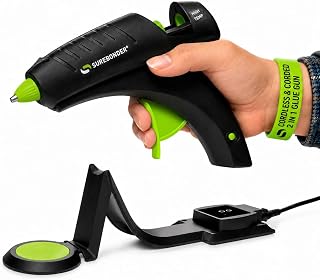
Surebonder Cordless Hot Glue Gun
Check PriceHot glue shines in specific scenarios where speed and convenience trump long-term durability. It is not a replacement for sewing in most garments that will be worn and washed regularly, but it can be a lifesaver in the right situation.
Quick Repairs and Temporary Fixes
For a wardrobe emergency, like a fallen hem at a wedding or a detached patch on a backpack, hot glue offers an instant fix. It can hold a seam closed for the evening or secure a button until you can stitch it properly. In crafts like DIY banners, fabric scrap cards, or temporary home decor, hot glue is a favorite because it bonds instantly and requires no dry time.
Costume and Cosplay Applications
Cosplayers and theater groups regularly use hot glue to attach foam armor details to fabric bodysuits, glue down trims, or assemble props with fabric components. The controlled, no-sew approach speeds up production. Since many costumes are worn only a few times and may not require machine washing, hot glue is perfectly adequate. With a a fabric-friendly glue gun and the right temperature setting, you can even bond stretch fabrics if you keep the glue dots small so the seam remains flexible.
When Hot Glue Fails on Fabric
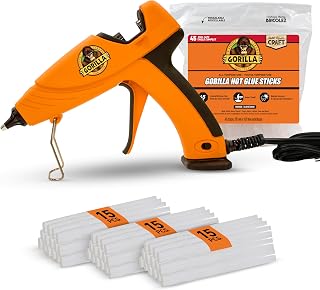
Gorilla Hot Glue Gun Kit
Check PriceDespite its usefulness, hot glue has clear limits. Understanding these prevents a project from falling apart.
Washing and Durability Issues
Most standard hot glue is not designed to withstand repeated machine washing, hot water, or dryer heat. The agitation and moisture gradually break the mechanical bond, causing the glue to peel away in strips. Even a gentle hand wash can weaken the adhesion over time. If you plan to wash the item, look for specialized washable fabric glue sticks or choose a flexible fabric adhesive instead.
Stiffness and Comfort
Hot glue dries rigid. A glued hem on a t-shirt will feel scratchy and stiff against the skin, and a seam on lightweight fabric may crack when stretched. This makes hot glue unsuitable for anything that requires drape or constant movement, like blouses or soft scarves. Reserve it for areas that do not need to bend, like attaching a badge to a denim jacket or securing bag straps.
Heat Sensitivity
Hot glue remelts under high heat. Ironing over a glued seam ruins the bond instantly and can smear adhesive onto your iron. Even leaving a garment in a hot car can soften the glue. If your fabric project will encounter heat, skip the hot glue.
Best Practices for Using Hot Glue on Fabric
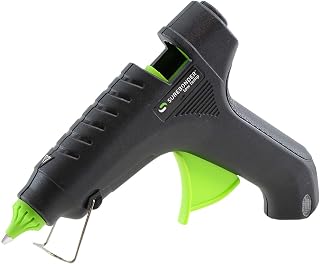
Surebonder L-270 Essentials
Check PriceGet the most out of hot glue on fabric by following a few proven techniques.
Choosing the Right Glue Gun and Sticks
A dual-temperature glue gun gives you control. Use low temperature for thin or synthetic fabrics and high temperature for heavy cotton, denim, or canvas. Specialty fabric glue sticks contain additives that maintain some flexibility after cooling. They bond softer and often hold better through bending. Avoid cheap, off-brand sticks that turn extremely brittle. I recommend exploring dedicated fabric glue sticks as well as reading up on safety tips and techniques from The Spruce Crafts before you start.
Surface Preparation and Application Tips
- Clean the fabric. Lint, dust, and oils block adhesion. Wipe the area with a dry cloth or wash and dry the item first.
- Apply glue sparingly. A thin, zigzag bead or small dots give a strong hold without excess bulk and stiffness.
- Press firmly and hold. Immediately after applying glue, press the fabrics together and hold for 20 to 30 seconds while the glue sets. Do not move the pieces during this time.
- Work in sections. On long seams, glue a few inches at a time to keep the bond even.
Testing on a Scrap First
Always test on a fabric scrap from the same material. Apply a small dot, let it cool, and check if it discolors the fabric, melts fibers, or leaves a greasy ring. Try to peel it off and observe how much force it takes. This simple step saves many ruined garments.
Hot Glue vs Fabric Glue vs Sewing
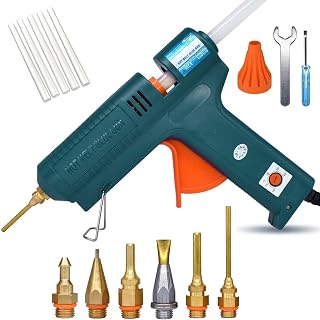
BOSWELL 150W Hot Glue Gun
Check PriceIt helps to compare hot glue with other common fabric joining methods so you can choose wisely.
Hot Glue vs Fabric Glue
Fabric glues are formulated with water-resistance and flexibility in mind. They dry clear, stay flexible, and many varieties survive the laundry. Hot glue sets instantly, which is great for vertical surfaces or when you cannot wait. However, fabric glue usually provides a more durable bond that remains soft to the touch. For permanent, washable hem repairs, fabric glue wins. For a quick hold on thick craft materials, hot glue is faster.
Hot Glue vs Hand or Machine Sewing
Sewing remains the gold standard for strength, flexibility, and a professional finish. A stitched seam moves with the body, withstands repeated washing, and looks clean. Hot glue creates a non-removable, lumpy ridge that may discolor over time. Use sewing for anything structural. Use hot glue for non-load-bearing accents or when you simply cannot sew and need a temporary hold.
Frequently Asked Questions
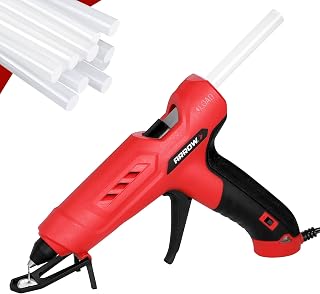
Arrow Full Size Dual Temp Glue Gun Kit
Check PriceCan I use a regular hot glue gun on clothes?
Yes, but a low-temp or dual-temperature glue gun is safer for most clothing fabrics. High-temp guns can scorch synthetics and even burn the wearer if glue seeps through thin material. For delicate clothes, use low-temp glue sticks and apply only a tiny amount.
Will hot glue hold fabric together permanently?
Standard hot glue is not permanent on fabric under regular use, especially if the item gets washed or stretched. It can stay intact for years on a decorative wall hanging or a costume accessory that stays dry. For clothing subject to stress, stitches or flexible fabric glue are far more reliable.
Can I wash fabric that has hot glue on it?
Hand washing in cool water with mild soap and air drying is the safest approach. Even then, some bond weakening is likely. Machine washing and drying will probably cause the glue to peel away within one or two cycles. If you must wash, place the item in a mesh bag and use a gentle cycle with cold water. Never iron over glued areas.
Does hot glue damage delicate fabrics?
It can. High heat can melt fine synthetic fibers, leave a stain-like residue, or alter the fabric texture. For chiffon, silk, organza, and lace, use a no-heat fabric glue or hand sewing instead. Always test on a hidden seam first.
What is the best alternative to hot glue for fabric?
Flexible permanent fabric glues, fusible bonding web or hem tape (applied with an iron), and good old needle and thread all outperform hot glue for durability and comfort. Fusible web is especially popular for no-sew hems because it creates a flat, soft bond that holds up in the wash.
Conclusion
So, does hot glue work on fabric? Absolutely; it secures, bonds, and saves time in plenty of creative and emergency situations. The catch is that its usefulness depends entirely on how you use it. Stick to low-temperature settings for synthetics, only apply glue to clean, textured surfaces, and limit washing and heavy strain. By treating hot glue as a tool for specific jobs, like fast costume builds, craft accents, or a quick on-the-go fix, you will get the results you want without disappointment. For anything you plan to wear and wash regularly, reach for a washable fabric glue or your sewing kit instead. Build your fabric tool kit the smart way, and you will always be ready to bond whatever comes your way.
