
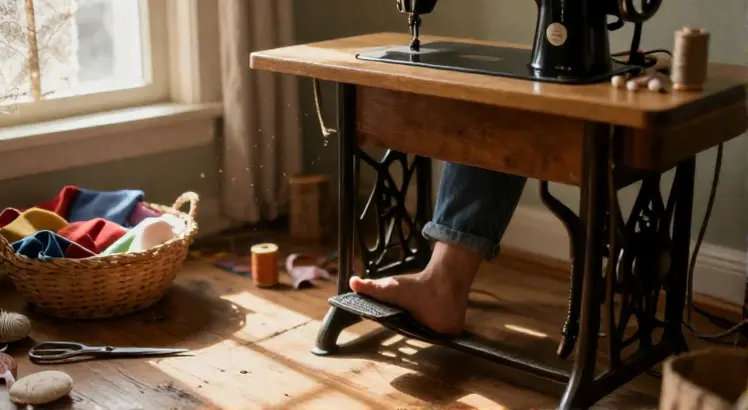
When you picture a sewing machine, you likely imagine a presser foot moving up and down while the users foot presses a pedal on the floor. The simple answer is yes, the vast majority of traditional home sewing machines do have foot pedals. These pedals, also called foot controllers, give you hands-free speed regulation so you can guide fabric precisely.
However, with the rise of computerized and portable models, many modern machines feature alternative controls like start/stop buttons instead. In this guide, we will explore everything you need to know about sewing machine foot pedals, how they work, their benefits, and when you might prefer a machine without one.
Before we dive deep, a quick historical note: early sewing machines were powered by hand cranks or treadles. The electric foot pedal revolutionized sewing by letting sewists control speed with their foot. Today, while the classic pedal remains common, innovation has broadened your options.
Why Are Foot Pedals Standard on Most Sewing Machines?
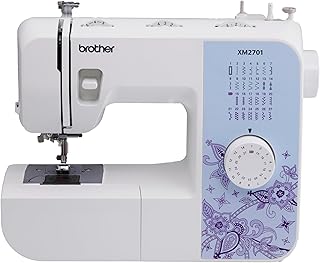
Brother Sewing Machine, XM2701
Check PriceFoot pedals allow you to keep both hands on your project, which is crucial for controlling stitch accuracy and fabric movement. Since your foot adjusts the speed, you can start slowly around curves and speed up on long seams without ever taking your eyes off the needle. This intuitive connection between pressure and speed has made the foot pedal an industry standard for decades. Even on many entry-level machines like the best sewing machines with foot pedals, the classic pedal remains a favorite for its simplicity and reliability.
Another reason for their popularity is that a pedal provides infinite speed variability. You get a seamless range from a single stitch per second to full throttle, unlike fixed-speed button controls that may only offer a few preset levels.
How Does a Sewing Machine Foot Pedal Work?

SINGER MX60 Lightweight & Portable Sewing Machine
Check PriceInside the plastic housing of a foot pedal is a simple yet clever mechanism. Older pedals used a carbon pile resistor that compressed under foot pressure to vary electrical resistance, which in turn changed the motor speed. Modern electronic pedals often use a variable resistor or a hall-effect sensor. As you press down, a sliding contact or magnet moves, sending a signal to the machines control board. The harder you press, the faster the motor runs.
This analog control is what gives you that smooth acceleration. For example, when you need a tiny precise stitch for topstitching, a gentle tap is all it takes. Many advanced sewists rely on this responsive feedback to create professional results.
Foot pedals connect to the machine via a simple jack plug. If your pedal ever malfunctions, universal replacements like the HONEYSEW Universal Foot Control Pedal (check the product card sections later for a great option) can often get you back up and sewing quickly.
Electric Start/Stop Buttons vs. Foot Pedals
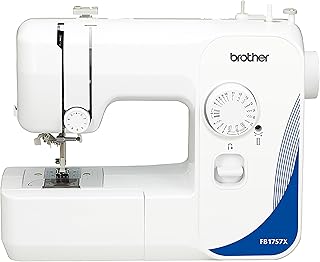
Brother FB1757X Mechanical Sewing Machine
Check PriceMany contemporary computerized sewing machines now feature a start/stop button on the front panel. This button lets you sew without the foot pedal, controlling speed via a slider or electronic settings. It can be a game changer for quilters using large frames or for sewists with limited leg mobility. But how do they compare?
- Speed Control: Foot pedals provide analog, on-the-fly speed changes. Start/stop buttons generally rely on a speed slider that you preset, so you might need to pause to adjust.
- Hands-Free Operation: Buttons free up your feet, which is helpful if you work standing or use a sewing table without a recessed pedal space. However, you lose the intuitive press-to-go action.
- Convenience: On models like the Brother CS7000X, you can use either method. It comes with a foot pedal and a start/stop button, giving you flexibility.
Some sewists find the lack of a pedal disorienting at first, but others quickly adapt. If you enjoy piecing quilts or doing free-motion embroidery, the button can be a fantastic addition. Ultimately, both systems have their place, and many advanced machines support both.
Can You Use a Sewing Machine Without a Foot Pedal?
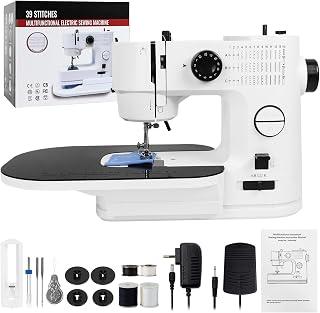
Qoosea Sewing Machine for Beginners, Portable Household Electric
Check PriceAbsolutely. Many modern machines include the start/stop button that bypasses the foot pedal entirely. You can sew by simply pressing the button, and the machine will run at the speed you preselected. This is especially common on high-end computerized machines and some beginner-friendly models designed for portability. The Singer MX60, for instance, is a mini portable machine that uses a foot pedal but also offers a simple on/off switch, though it is not a fully programmable button system.
If you purchase a machine that comes only with a foot pedal but you cannot operate one due to a physical limitation, adapters and hand controls exist. Additionally, some sewists modify their pedals with hand-operated levers. Companies like historical sewing machine innovators have always sought ways to make sewing more accessible, and today you can truly customize your setup.
Types of Sewing Machine Foot Pedals
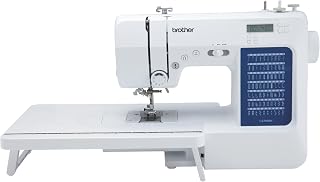
Brother CS7000X Sewing and Quilting Machine
Check PriceNot all foot pedals are the same. Over the years, several designs have emerged to meet different needs and machine types.
- Mechanical Pedal: Traditional pedal with carbon pile or metal contacts, found on older mechanical machines like the Singer 4411. They are durable but can wear out and require occasional cleaning.
- Electronic Pedal: Uses a printed circuit board and sensor. These pedals are smoother and often need no maintenance. Most modern electronic and computerized machines use this type.
- Air Pedal: Used in industrial settings, operated by air pressure for hands-free control. Rarely found on domestic machines.
Universal replacement pedals are available, but always check compatibility with your brand. Brother, Singer, and Janome often use different plug shapes and electrical standards.
Advantages of Using a Foot Pedal for Precision Sewing
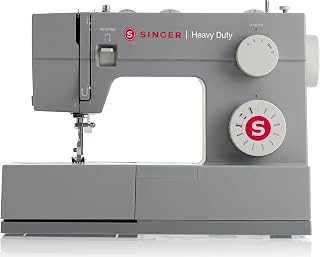
SINGER 4411 (Grey) High Speed Heavy Duty Sewing Machine
Check PriceWhether you are a beginner or a seasoned tailor, the foot pedal gives you a direct, real-time connection to your machine. Here is why that matters.
- Stitch Accuracy: You can stop instantly by lifting your foot, which is vital when approaching corners or turning complex seams.
- Variable Speed: From slow basting stitches to full-speed seaming, you control every millimeter per second. This is especially helpful when sewing tricky fabrics like silk or leather, where you need to go slow and steady.
- Rhythm and Flow: Many sewists find the pedal action meditative once they develop muscle memory. It becomes second nature, much like driving a car.
For heavy duty tasks like denim hemming or quilting through thick layers, a responsive pedal on a machine like the Singer 4411 gives you the power and control you need to push through without stalling.
Choosing a Sewing Machine: Pedal or No Pedal?

HONEYSEW Universal Foot Control Pedal W/Light & Motor Block Fc143
Check PriceWhen shopping for a new machine, your preference for a foot pedal may influence your choice. Here are some scenarios to consider.
- Traditional Seamstress / Home Sewer: A machine with a classic foot pedal, like the Brother XM2701, will feel familiar and give you full control. Most mechanical and computerized sewing machines include a pedal, so you are in safe territory.
- Quilter with a Large Frame: A start/stop button becomes essential when the pedal is out of comfortable reach. Look for models such as the Brother CS7000X that offer both options.
- Physically Limited Users: If using a foot pedal is difficult, seek machines with a clear start/stop button and speed slider. The Brother CS5055 is a fantastic computerized machine that lets you sew without the pedal.
- Children or Beginners: A machine with a slower speed setting and a safety foot pedal (that cannot be left on) is wise. The Qoosea portable machine is a fun choice but still uses a pedal, so supervision is key.
Remember, you can always upgrade your pedal. If you already own a machine but the pedal feels clunky or has failed, a universal replacement like the HONEYSEW Fc143 can restore your sewing without breaking the bank.
Troubleshooting Common Foot Pedal Problems

Brother CS5055 Computerized Sewing Machine
Check PriceA malfunctioning foot pedal can be frustrating, but many issues have simple fixes.
- Pedal Unresponsive: Check that the plug is firmly inserted into the machine. Inspect the cord for damage. If the pedal is old, internal contacts may be burned out. Replacement is often cheaper than repair.
- Sticky or Jerky Speed: Dust and lint can accumulate inside the pedal. Unplug the pedal, open the housing carefully, and blow out debris with compressed air. Do not use oil inside electronic pedals.
- Machine Runs Slowly or at Full Speed Only: This often indicates a failed variable resistor. Again, a universal replacement pedal is the easiest solution.
Always prioritize safety. Never service a pedal while it is plugged in. If you are unsure, consult your machine manual or a professional technician.
Frequently Asked Questions About Sewing Machine Foot Pedals
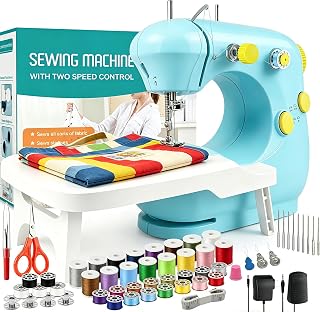
Sewing Machine for Beginners, Electric Mini Sewing Machine
Check PriceDo all sewing machines come with a foot pedal?
Most traditional home sewing machines include a foot pedal. However, many modern computerized models and some mini machines provide alternative start/stop controls without a pedal. Always check the included accessories before purchasing.
Can I replace my foot pedal with a start/stop button?
You cannot simply convert a pedal-only machine to a button-only operation because the internal circuitry is different. However, you can purchase an aftermarket hand-operated lever that attaches to the pedal, or choose a machine that already offers both options.
Are universal foot pedals safe to use?
Yes, as long as you select a pedal that matches your machines voltage and plug type. Reputable brands like HONEYSEW design universal pedals with built-in LED lights and motor blocks to protect your machine. Always read reviews and verify compatibility.
Why does my foot pedal get hot?
Older carbon pile pedals can generate heat during extended use. If an electronic pedal becomes hot, unplug it immediately; that could signal an internal short circuit. Consider replacing it.
Do sewists prefer foot pedals or buttons for long projects?
It is a matter of personal preference. Many long-time sewists love the pedal for its continuous speed control, while quilters often favor the button when their machines are set into large tables. Trying both on a dual-mode machine can help you decide.
Sewing machine foot pedals remain a defining feature of the craft, offering an unmatched level of hands-free precision. While technology has introduced versatile start/stop options, the humble pedal is far from obsolete. Whether you choose a classic mechanical workhorse like the Brother XM2701 or a feature-packed computerized model with both controls, understanding your own sewing style will lead you to the perfect setup. Explore our full range of machine recommendations and find the pedal or button machine that feels like an extension of your creativity.
