
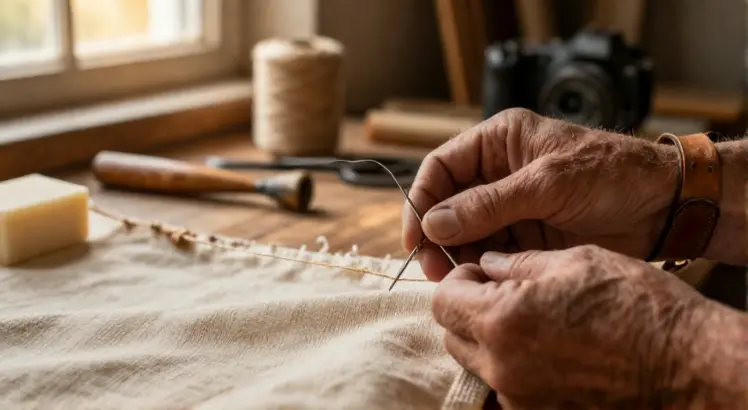
Canvas is one of the strongest fabrics in a home sewing room, but many sewists avoid hand sewing it because of its thickness. The truth is that learning how to sew canvas by hand is practical, affordable, and surprisingly rewarding. You do not need an industrial machine or expensive tools to repair a torn canvas bag, attach a strap, or stitch a new tote. With the right needle, heavy duty thread, and a patient backstitch, you can make seams that handle daily wear and outdoor conditions. This guide covers tools, preparation, stitches, step by step instructions, troubleshooting, and project ideas. If you are new to this fabric, you might wonder is canvas hard to sew. The short answer is no, once you understand how to handle the fabric.
Essential Tools and Materials for Hand Sewing Canvas
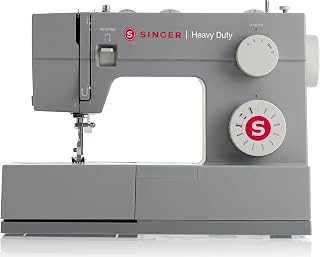
SINGER 4411 Heavy Duty Sewing Machine
Check PriceThe right tools make hand sewing canvas much easier and safer for your fingers. You do not need a large kit, but a few specialized items will prevent skipped stitches and broken needles. Canvas is generally made from cotton or linen, and its tight weave demands a thread that will not snap under tension. Here is a quick overview of canvas fabric if you want to learn its history and construction.
- Hand sewing needles in size 16 or 18 with a sharp point
- Heavy duty thread such as bonded nylon, polyester, or waxed cotton
- A thimble to protect your finger when pushing the needle through dense fabric
- A sewing awl or stiletto to widen holes if needed
- Beeswax or thread conditioner to reduce tangling and add grip
- Fabric clips instead of pins because canvas is thick and pins can bend
- A water soluble pencil or chalk for marking
- A metal seam ripper for correcting mistakes
Using the correct needle and thread is more important than any other preparation step. A fine needle will bend or break, while a weak thread will snap before the seam is finished. Choose a sharp, heavy gauge needle and test it on a scrap of canvas before starting your actual project.
How to Prepare Canvas Fabric Before Hand Sewing
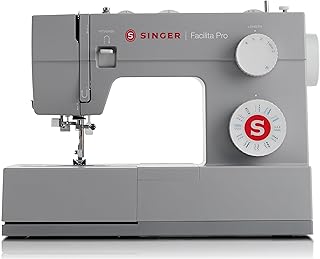
SINGER 4423 Heavy Duty Sewing Machine
Check PriceProper preparation prevents puckering and uneven stitches. Canvas can shrink, especially if it is 100 percent cotton, so wash and dry it the same way you plan to wash the final project. Iron the fabric flat before measuring. Use a pressing cloth if the canvas has a coating or wax finish to avoid shine or melting.
Washing and Pressing Canvas
Wash in cold water and tumble dry low for cotton canvas. For waxed canvas, wipe with a damp cloth instead of machine washing. Press with a hot iron on the wrong side while the fabric is still slightly damp. This relaxes the fibers and makes the canvas easier to handle.
Marking Stitch Lines
Use a ruler and water soluble chalk or a wax pencil. Canvas does not hold pin marks well, so clear markings are essential. Mark the seam allowance, fold line, and any patch placement before you start stitching. Accurate lines lead to straight seams and a professional finish.
Best Hand Stitches for Sewing Canvas
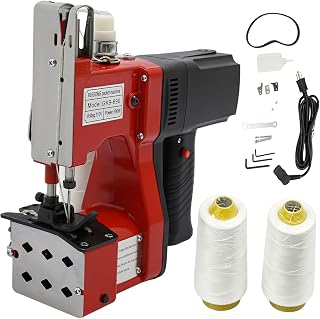
Leather Heavy Duty Industrial Sewing Machine
Check PriceThe stitch you choose affects both strength and appearance. A basic running stitch is fine for basting or lightweight canvas, but heavy projects need a backstitch or saddle stitch. These stitches interlock more thread along the seam and resist opening under stress.
Running Stitch for Basting
A running stitch is a simple in and out stitch. It works for temporarily holding layers together, but it should not be used alone for load bearing seams. Keep the stitches even and about 1/4 inch long for basting.
Backstitch for Strong Seams
The backstitch is the best all purpose hand stitch for canvas. Each stitch overlaps the previous one, creating a continuous line of thread that is nearly as strong as machine stitching. Use this stitch for side seams, hems, and patch edges.
Saddle Stitch for Thick Layers
The saddle stitch uses two needles and is common in leatherwork. It is excellent for canvas straps, handles, and areas with multiple layers because it resists thread shifting. The stitch takes practice, but the result is extremely durable.
Step by Step Guide to Sewing Canvas by Hand
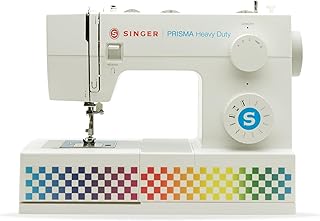
SINGER 4411 PRISMA Heavy Duty Sewing Machine
Check PriceFollow these steps for a clean, durable hand sewn seam. Work slowly and keep your stitches even. Rushing through thick fabric leads to uneven tension and broken thread.
Threading and Knotting
Cut a length of heavy duty thread about 18 to 24 inches long. Longer threads tangle more often. Pull the thread through beeswax, then thread the needle and tie a secure knot at the end. A double strand can add strength but may be hard to pull through dense canvas.
Sewing the Seam
Align the fabric edges with clips. Start from one end. Push the needle through the fabric from the back to the front. Use a backstitch: bring the needle up one stitch length ahead, then insert it back into the end of the previous stitch. Repeat. Keep stitch length about 1/8 to 3/16 inch for a strong seam.
Finishing and Knotting
When you reach the end, take a tiny stitch, pass the needle through the loop, and pull tight. Repeat to create a double knot. Trim the thread close to the fabric. For extra security, apply a small dot of fabric glue to the knot and let it dry.
How to Sew Canvas Seams and Reinforce Stress Points
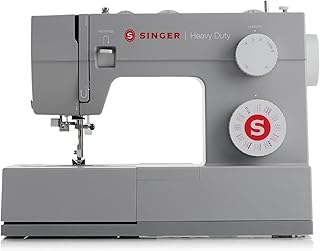
SINGER 4452 Heavy Duty Sewing Machine
Check PriceStrong seams are critical for bags, straps, and gear that will carry weight. A plain seam can work, but a flat felled seam is better for canvas because it encloses the raw edges and adds a second row of stitching.
Flat Felled Seam for Canvas
Sew the first seam with right sides together using a backstitch. Trim one side of the seam allowance to half of the other. Press the longer allowance over the shorter one, fold under the raw edge, and stitch it down. This creates a flat, fray resistant seam.
Reinforcing Corners and Straps
Backstitch at the beginning and end of every seam. For corners of bags, stitch a small square or triangle pattern to lock the layers together. For straps, use a saddle stitch and cross stitch the attachment point. This prevents tearing at high stress areas.
Hand Sewing vs Machine Sewing Canvas
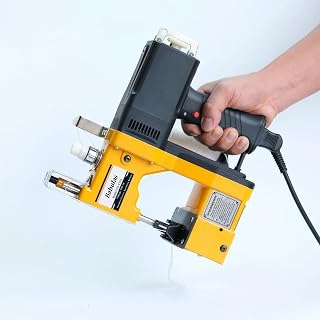
Babulas Bag Sewing Machine
Check PriceHand sewing gives you absolute control and is ideal for small repairs or areas that a machine cannot reach. However, it is slower and can be tough on your hands. A heavy duty sewing machine speeds up long seams and provides consistent tension. If you plan to sew canvas regularly, you might consider a machine. Check out the best canvas sewing machine options for larger projects.
For occasional repairs, hand sewing is more cost effective. For production work or bulky items, a machine can save hours. Many sewists use both: hand stitching for details and repairs, machine stitching for long straight runs.
Heavy Duty Sewing Machines for Canvas Projects
While this guide focuses on hand sewing, certain machines can handle canvas if you prefer to speed up the process. Look for metal internal frames, a strong motor, and adjustable presser foot pressure. A walking foot or even feed foot helps feed thick layers evenly. Use a size 16 or 18 needle and reduce stitch speed when sewing heavy canvas. The machines below are popular for canvas, denim, and upholstery projects.
How to Sew a Canvas Tote Bag by Hand
Brother XM2701 Sewing Machine
Check PriceA simple tote bag is a perfect first project. Cut two rectangles of 15 ounce cotton canvas, each about 14 inches wide by 16 inches tall. Fold and press the top edge twice, then backstitch the hem on both pieces. Place the two rectangles right sides together and sew the side and bottom seams using a backstitch. Turn the bag right side out and attach handles with a saddle stitch or a reinforced cross box. You can also add interior pockets before sewing the sides.
For a sturdier bag, add a flat felled seam on the side and bottom. This prevents fraying and gives the bag structure. Use clips to hold the layers because pins can shift on thick canvas.
Common Hand Sewing Mistakes and How to Avoid Them
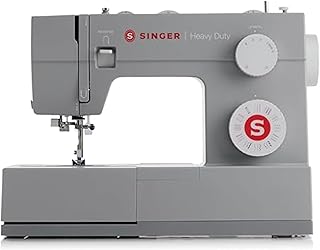
SINGER 4432 Heavy Duty Sewing Machine
Check Price- Using too thin thread can cause seams to snap under pressure. Choose heavy duty thread for canvas.
- Skipping a thimble makes it harder to push the needle through dense fabric and can hurt your finger.
- Making stitches too long weakens the seam. Keep them under 1/4 inch.
- Pulling too tight causes puckering and distortes the fabric.
- Not marking lines leads to uneven seams and crooked hems.
Correct these habits and your hand sewn canvas will look professional. Always test your stitch length and tension on a scrap piece first.
Frequently Asked Questions
Can you sew canvas by hand without a thimble?
Yes, but a thimble protects your finger and gives you better control. Thick canvas requires more pressure to push the needle through, and a thimble prevents soreness.
What kind of thread is best for hand sewing canvas?
Bonded nylon, polyester, or waxed cotton thread works best. Avoid regular all purpose cotton thread because it can snap under tension.
How do you keep canvas from fraying while hand sewing?
Use a flat felled seam or bind the raw edges with bias tape. A small amount of fray check can also help on cut edges before you start stitching.
Is hand sewing canvas strong enough for repairs?
Yes, if you use a backstitch or saddle stitch with heavy duty thread. For load bearing areas, reinforce with two rows of stitching.
Conclusion
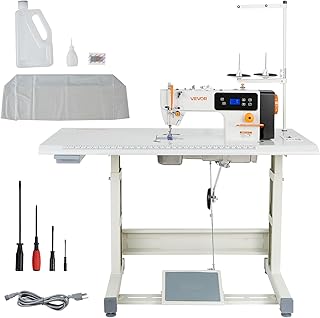
VEVOR Industrial Lockstitch Sewing Machine
Check PriceLearning how to sew canvas by hand opens up a world of durable, custom projects. Start with the right tools, prepare your fabric correctly, and choose a strong stitch. Take your time on seams and stress points. Once you build confidence, you can repair tents, make tote bags, and sew patches without relying on electricity. Remember that practice improves speed and stitch evenness. Whether you stick with hand sewing or add a heavy duty machine later, the skills you learn here will serve you well.
