
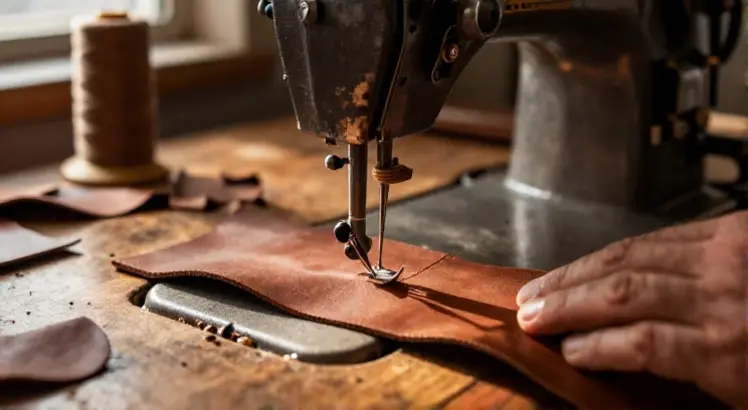
Sewing leather with a machine opens up a world of durable bags, wallets, garments, and accessories. While leather is tough and unforgiving compared to woven fabrics, a few adjustments and the right tools make the process smooth. This guide will walk you through how to sew leather with a machine, from selecting the best machine to perfecting your stitch and caring for your equipment afterward.
Understanding Leather Types and Their Sewing Challenges
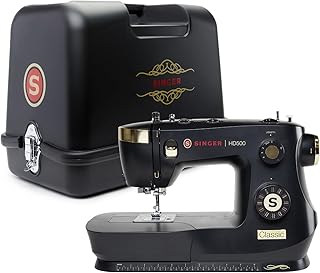
SINGER Super Bundle Heavy Duty 500 Sewing Machine with Carrying Case
Check PriceLeather is not a single material. You will encounter full-grain, top-grain, genuine, bonded, and suede splits. Each type behaves differently under a sewing machine needle. Full-grain and top-grain leathers are dense and stiff, requiring a sharp needle and strong motor. Soft chrome-tanned or garment leather can stretch and pucker if not supported. Suede has a nap that can drag, and bonded leather may separate under tension. The key is to test on scrap before any project. A heavy-duty machine with adjustable presser foot pressure and a walking foot is ideal. If you are tackling thick belt leather or multiple layers, read our guide to the best heavy-duty sewing machines for leather to find a model that can handle the load.
Choosing the Right Sewing Machine for Leather
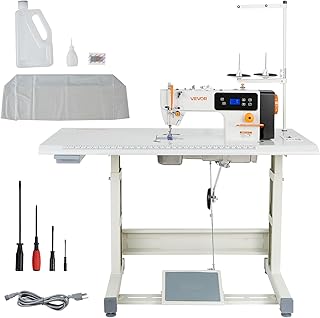
VEVOR Industrial Lockstitch Sewing Machine Commercial Set
Check PriceNot every home sewing machine can sew leather. Look for a model with all-metal gears and a powerful motor. A machine that advertises heavy-duty performance or high-speed sewing is a good candidate. The Singer 4411, 4452, and Heavy Duty 500 series are popular choices, as are the VEVOR industrial lockstitch machines and the Weaver Leathercraft 303. A walking foot or even-feed foot is essential to prevent the top layer from shifting ahead. The Singer Super Bundle Heavy Duty 500 and similar combos include a walking foot in the package. If you plan to sew thick leather regularly, consider an industrial compound feed machine.
Essential Needles for Sewing Leather
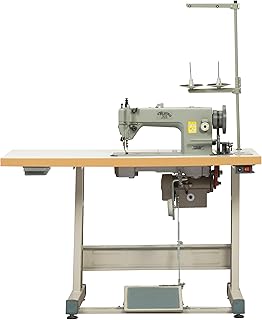
Weaver Leathercraft 303 Leather Sewing Machine
Check PriceLeather needles, also called chisel-point or cutting point needles, are crucial. Their slightly triangular tip slices through the material rather than pushing fibers aside, reducing skipped stitches and needle breakage. Use a leather needle size 90/14 for lightweight leather, 100/16 for medium, and 110/18 for heavy upholstery or multiple layers. Always change to a fresh needle at the start of a project. A dull needle can tear leather and cause unsightly holes. Never use a ballpoint or universal needle on leather; the blunt tip will struggle and damage the material.
Selecting the Best Thread for Leather Projects
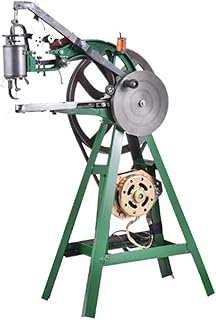
Electric Cobbler Sewing Machine Heavy Duty Hand Shoe Repair
Check PriceBonded nylon or polyester thread is the go-to choice for machine sewing leather. These threads are strong, UV-resistant, and withstand abrasion. Avoid cotton thread; it rots over time and lacks the tensile strength required for leather seams. Topstitching thread adds a decorative, professional look. Use a thread weight of Tex 70 or Tex 90 for most leather bags and wallets. Make sure your machine can handle the thicker thread; you may need to use a topstitching needle with a larger eye and loosen the top tension slightly.
Presser Feet and Attachments for Smooth Feeding
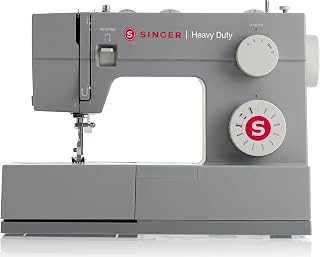
SINGER 4411 High Speed Heavy Duty Sewing Machine
Check PriceA walking foot, also known as an even-feed foot, synchronizes the movement of the top and bottom layers. This is a must for sewing slippery or sticky leather. A Teflon or roller foot can also help by gliding over the surface instead of sticking. If you do not have a walking foot, try placing a strip of tissue paper or tear-away stabilizer between the leather and the feed dogs. This reduces friction and prevents the leather from dragging. Many heavy-duty machines like the Singer 4452 and 4411 come with a walking foot in the accessory kit.
Setting Up Your Machine for Leather Success
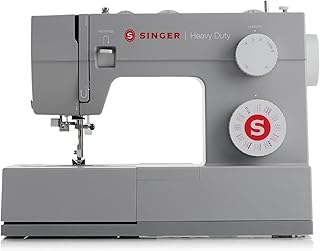
SINGER 4452 High Speed Heavy Duty Sewing Machine
Check PricePreparation is half the battle. Start with a clean machine and install a new leather needle. Thread the machine with bonded nylon thread and a matching bobbin thread. Lengthen the stitch to 3.5 mm or 4 mm. Short stitches perforate the leather like a postage stamp and weaken the seam. Adjust the presser foot pressure if your machine has that option; reduce it a touch so the foot glides without marking the leather. Set the machine to straight stitch only. Zigzag or decorative stitches create too many holes and can jam. For a complete walkthrough, see how to sew leather with a sewing machine for step-by-step photos and video tips.
Mastering Tension and Stitch Length
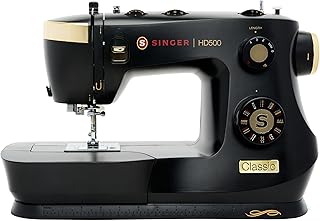
SINGER Heavy Duty 500 Classic High Speed Sewing Machine
Check PriceLeather demands balanced tension. If the top thread lies flat on the surface and the bobbin thread pulls up loosely, increase the top tension slightly. A perfect seam shows identical knots in the middle of the leather layers. Test on a double scrap that matches your project thickness. A stitch length of 3.5 to 4.5 mm provides strength without perforation damage. For topstitching, you may increase stitch length to 5 mm for a bold, hand-stitched look. Keep the speed moderate. Racing through a leather seam can cause the needle to deflect and hit the throat plate.
Preventing Sticking and Skipping Stitches
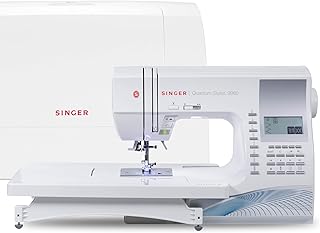
SINGER Quantum Stylist 9960 Computerized Sewing Machine
Check PriceLeather sticking to the presser foot or bed is a common headache. Wipe the foot and needle plate with a little rubbing alcohol to remove any residue. Lay a strip of wax paper or tissue under the seam and tear it away after sewing. If the machine skips stitches, make sure the needle is the correct size and fully inserted, the thread matches the needle eye, and the bobbin is wound evenly. A dull needle is the most frequent culprit. Replace it immediately if you notice skipped stitches.
Sewing Thick Leather and Seams
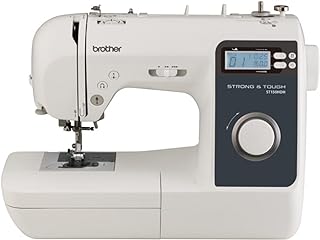
Brother ST150HDH Strong and Tough Sewing Machine
Check PriceWhen stitching through multiple thick layers, use a hump jumper or a folded piece of leather behind the needle to keep the presser foot level as it climbs over bulky seams. Hammering thick seams with a mallet flattens them before sewing. Use binder clips or double-sided tape instead of pins; pinholes are permanent in leather. Position clips in the seam allowance only. Sew slowly over intersections. If the hand wheel resists, rock it gently until the needle pierces the thickest spot. Never force the machine; you risk jamming or breaking the needle shaft.
Finishing Edges and Reducing Bulk
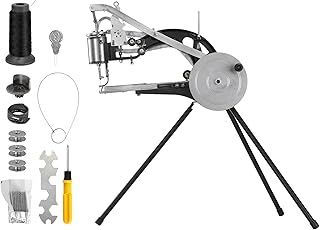
BEAMNOVA Leather Stitching Machine Cobbler Sewing Shoe Repair
Check PriceLeather does not fray, so you do not need to zigzag edges. Instead, bevel cut edges smooth and burnish them with a wooden slicker or canvas for a polished finish. Topstitching 1/8 inch from the edge creates a crisp, professional line. For seam allowances, glue them down with leather contact cement and hammer flat to reduce bulk. If you sew with a lining, grade the seam allowances so they taper, preventing a bulky ridge.
Common Mistakes to Avoid When Sewing Leather
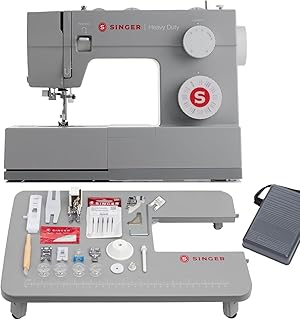
SINGER 4452 Holiday Bundle Heavy Duty Sewing Machine
Check Price- Using a universal needle instead of a leather needle.
- Applying pins that leave permanent holes; use clips inside the seam allowance.
- Sewing with a short stitch length that creates perforations.
- Pulling or pushing leather while sewing, causing puckers.
- Skipping a test seam on scrap to check tension and needle size.
- Using cotton thread that will degrade over time.
- Neglecting to clean your machine after leatherwork; leather dust and oils accumulate.
As the experts at Sailrite emphasize, patience and the correct setup are more important than raw power.
Maintenance After Sewing Leather
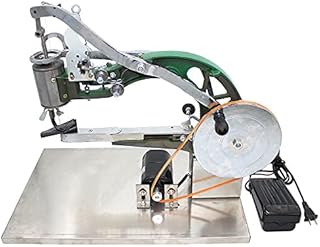
ColouredPeas Cobbler Sewing Machine 110V
Check PriceLeather leaves behind fine dust and oil that can gum up your machine. After every leather session, brush out the bobbin area and feed dogs with a small nylon brush. Wipe down the exterior and needle bar with a soft cloth. Replace the needle if it has sewn more than a single project. Oil the machine according to the manual, then run a few stitches on woven cotton to catch any residual leather debris. This quick clean-up routine extends your machine’s life and keeps it ready for the next task.
Frequently Asked Questions About Sewing Leather with a Machine
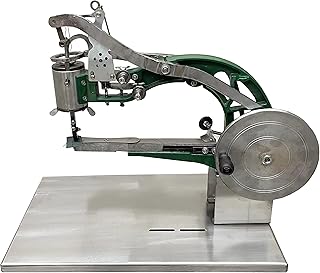
10-Bearings Set Shoe Repair Hand Leather Sewing Machine
Check PriceCan a regular sewing machine sew leather?
Yes, a regular domestic machine can sew thin to medium garment leather if you use a leather needle, the correct thread, and a walking foot. However, for heavy belts, saddle leather, or multiple layers, a heavy-duty or industrial machine is far more capable.
What stitch length is best for leather?
Use a stitch length of 3.5 mm to 4.5 mm. Longer stitches prevent the leather from tearing along the seam and give a professional look.
Do I need a special needle for leather?
Absolutely. A leather or chisel-point needle is designed to cut through leather cleanly. Universal needles will struggle and cause skipped stitches or damage.
Can I use pins on leather?
It is not recommended because pins leave permanent holes. Use sewing clips, double-sided tape, or glue within the seam allowance instead.
How do I prevent the leather from sticking to the presser foot?
Switch to a Teflon or roller foot, or place a piece of tissue paper between the leather and the foot. Tear it away after sewing. Wiping the foot with rubbing alcohol also helps.
With the right machine, needle, and a little practice, you will be sewing leather projects that look handmade but wear like factory goods. Enjoy the journey and start with small accessories before tackling a full jacket.
