
Picking the right thread can feel overwhelming, especially when you’re staring at a wall of spools at the fabric store. Thread is the quiet backbone of every sewing project, and choosing poorly means broken seams, puckered fabric, or endless frustration. If you’re wondering which thread is better for sewing, the honest answer is: it depends on your fabric, your machine, and what you’re making. This guide breaks down every factor, fibers, weights, and uses, so you can sew with confidence and never second-guess your spool again.
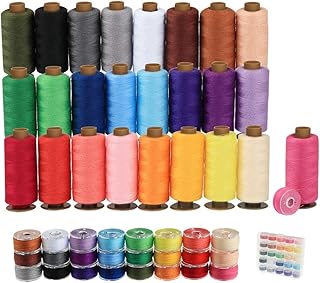
ilauke 50Pcs Thread Kit with Prewound Bobbins
Check PriceUnderstanding Thread Fibers: The Core of Every Sewing Project
Thread starts with its fiber content. Each type behaves differently under tension, heat, and washing. Knowing the strengths and weaknesses of each fiber is the first step in choosing the best sewing thread for your work.
Cotton Thread: The Classic Natural Choice
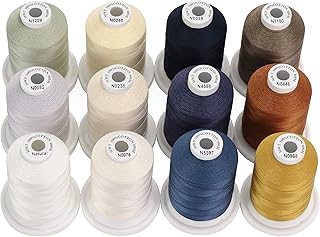
New brothread Mercerized Cotton Threads 12 Colors
Check PriceCotton thread has been a sewing staple for centuries. It’s made from natural plant fibers, which gives it a soft, matte finish and minimal stretch. Because cotton doesn’t have much give, it’s excellent for woven fabrics like quilting cotton, linen, and lightweight canvas. The thread grips the fabric well and resists melting under a hot iron, making it ideal for projects that need crisp pressing.
However, cotton thread isn’t the strongest option. Over time, it can weaken and even snap if used on high-stress seams. It also shrinks a bit when washed, so pre-washing your fabric becomes extra important. For delicate heirloom sewing, patchwork, and natural-fiber garments, cotton shines. Mercerized cotton, which is treated to increase strength and luster, is the version you’ll find most often in quilting and general sewing.
Polyester Thread: The All-Purpose Workhorse
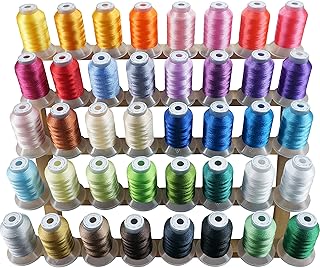
New brothread Polyester Embroidery Thread Kit 40 Colors
Check PriceIf cotton is the traditionalist, polyester thread is the modern multitasker. Polyester is synthetic, giving it remarkable strength and a slight stretch that prevents seams from popping under stress. This give makes polyester the better choice for knit fabrics, activewear, and anything that needs durability. It’s also colorfast, resistant to mildew, and holds up beautifully through countless wash cycles.
The most common type of polyester thread is a corespun or all-polyester construction. You’ll see it labeled as all-purpose thread, and it truly lives up to that name. Polyester glides smoothly through sewing machines, rarely produces lint, and works on everything from denim to silk. The only drawback? Extremely high heat from an iron can melt it, but at normal pressing temperatures, this is rarely a problem. For everyday clothing construction, polyester is often the better thread for sewing most garments.
Silk Thread: Luxury That Performs
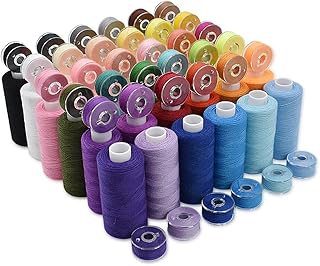
Pre-wound Bobbins & Thread Spools Kit
Check PriceSilk thread is the secret weapon for fine tailoring, couture finishes, and hand embroidery. It’s incredibly strong for its fine diameter, leaves almost no visible stitch when used for basting, and glides through delicate fabrics like chiffon without snagging. Silk also takes dye well and has a natural sheen that blends into wool, silk fabrics, and fine linings.
Because silk thread is expensive, it’s not an everyday go-to. Reserve it for buttonholes, hand-sewing hems on expensive garments, and embroidery where you want the thread to disappear. Needleworkers love silk for its smooth hand and the way it doesn’t twist back on itself.
Nylon and Woolly Nylon Threads: Stretch Specialists
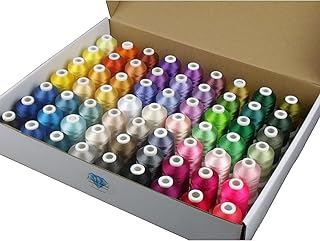
Simthread 63 Colors Polyester Embroidery Thread Kit
Check PriceNylon thread is a synthetic powerhouse used primarily in heavy-duty applications like upholstery, outdoor gear, and leatherwork. It resists abrasion, water, and chemicals, but its low melting point makes it risky in a home iron. Woolly nylon is a fluffy, textured version often used in serger loopers for rolled hems and stretchy seams. It provides incredible elasticity and is a favorite for swimwear, lingerie, and athletic wear.
You wouldn’t choose nylon or woolly nylon for a cotton dress, but when you need a seam that moves with the fabric, these threads are the better option.
Thread Weight, Twist, and Why They Matter
Fiber alone doesn’t tell the full story. Two other specs dramatically affect how a thread performs: weight and twist.
Thread weight is typically shown as a number like 50 wt, 40 wt, or 30 wt. The higher the number, the finer the thread. A 50 wt cotton or polyester is the universal standard for most sewing machine projects. It’s thin enough to sink into fabric without adding bulk, but strong enough for construction seams. A 40 wt thread is slightly heavier and more visible, making it popular for quilting and topstitching. A 30 wt thread is thick, perfect for bold decorative stitches or heavy-duty crafting.
Twist refers to how the individual plies (strands) are spun together. A high-twist thread is smooth, resists shredding, and produces a clean stitch. Low-twist threads can be fuzzier and more prone to knotting. For sewing machines, look for a thread with a firm, even twist. If you’re unsure, a quick test is to hold a length of thread about 6 inches between your fingers and let it droop. Give it a gentle tug: a high-quality thread will stretch only slightly and snap cleanly without separating into fuzzy fibers.
Matching Thread to Fabric and Project
Now that you understand the fundamentals, let’s match specific fabrics with the better thread for sewing them successfully.
- Lightweight wovens (cotton voile, silk, chiffon): Fine cotton (60 wt) or silk thread prevents puckering. A lightweight polyester all-purpose thread also works in a pinch.
- Quilting cotton: 50 wt cotton thread is the gold standard. It blends into the fabric, presses flat, and helps achieve that vintage hand-stitched look. If you want your quilting stitches to pop, switch to a 40 wt cotton or even a 40 wt polyester.
- Denim and canvas: Heavy-duty polyester thread (often labeled as topstitching or jeans thread) resists abrasion and won’t break under strain. Look for a 30 wt or thicker, and pair it with a denim needle.
- Knit fabrics (jersey, spandex): Polyester thread with a bit of stretch, or woolly nylon in the loopers of a serger, moves with the fabric. Avoid pure cotton, which has no give and will lead to popped seams.
- Leather and vinyl: Nylon or bonded polyester threads are robust enough to withstand the punching action of a leather needle without fraying. Silk thread can also be used for delicate hand-sewing on fine leather.
- Embroidery: Rayon and polyester embroidery threads offer vibrant sheen. Cotton embroidery thread gives a matte finish. The choice depends on the look you’re after, but always use a lightweight bobbin thread (60 wt or 90 wt) to prevent bulk on the back.
If you’re brand-new to thread shopping, a good starting point is to stock your sewing box with a high-quality, all-purpose polyester thread in black, white, and a few neutral shades. You’ll be surprised how far that modest collection takes you. For a deeper dive into specific brands that won’t let you down, our guide to the best thread brands for sewing machines walks you through the top manufacturers and what makes them reliable.
Common Thread Problems and How to Solve Them
Even experienced sewists run into thread troubles. Here are the most frequent frustrations and how to choose a better thread to avoid them.
- Thread breaking repeatedly: This often signals thread that’s too old or too coarse for the needle. Switch to a fresh spool of polyester thread, and check that your needle size matches your thread weight. As a rule, a size 70/10 or 80/12 needle works with 50 wt thread; heavier threads need a size 90/14 or 100/16 needle.
- Skipped stitches: Sometimes caused by low-quality thread that fuzzes up and blocks the needle eye. A smooth, long-staple polyester or mercerized cotton thread eliminates this issue almost instantly.
- Puckered seams on light fabric: Your thread is likely too thick. Switch to a finer 60 wt cotton or silk thread, and reduce your machine’s tension slightly.
- Lint buildup in the machine: Cheap cotton threads shed like crazy. A quality, low-lint polyester thread will keep your bobbin case and feed dogs cleaner for longer.
- Seams that snap under stress: You’re probably using cotton thread on a stretchy or heavyweight fabric. Polyester or a corespun cotton-wrapped polyester thread bridges the gap, giving you strength with a bit of flexibility.
Thread isn’t just about fiber; it’s about the brand’s quality control, too. High-end manufacturers like Gütermann and Mettler invest in precision winding and long-staple fibers, which means fewer slubs and more consistent tension. If you’re debating between two market leaders, our side-by-side comparison of Gutermann and Mettler threads breaks down the subtle differences that can affect your stitching.
Thread Storage Tips for Long-Lasting Quality
Thread doesn’t last forever, but good storage can add years to its life. Keep spools out of direct sunlight, which fades color and weakens fibers. A lidded, dust-free box or a dedicated thread organizer prevents lint accumulation. Cotton thread tends to dry out and become brittle over time; if a spool snaps with the lightest pull, it’s time to toss it. Polyester thread is more forgiving, but even it can degrade after a decade. If you want to dive deeper into the science of thread construction, learn more about thread properties from Threads Magazine, a trusted authority in the sewing world.
Frequently Asked Questions
Which thread is better for sewing, cotton or polyester?
Polyester is generally better for everyday clothing and stretch fabrics because of its strength and slight elasticity. Cotton excels in quilting and heirloom projects where a natural matte finish and crisp pressing matter. The better thread depends entirely on your project’s needs.
Can I use the same thread in the needle and bobbin?
Yes, in most cases you should. Using the same thread top and bottom creates balanced tension and even stitches. Exceptions include embroidery, where a lighter bobbin thread prevents bulk, and some decorative sewing techniques.
What is the best all-purpose thread weight?
A 50 weight (50 wt) thread is the universal standard. It’s fine enough for delicate fabrics yet strong enough for construction seams. If you keep a collection of high-quality 50 wt polyester thread, you can tackle about 80% of all sewing projects.
Does thread color really matter?
Yes. For seams, match your thread as closely as possible to the dominant color of your fabric. A slightly darker thread blends better than a lighter one. For topstitching or decorative seams, you might intentionally contrast. Always test a scrap of fabric first.
How do I know if thread is too old?
Pull about a foot of thread from the spool and give it a quick snap. If it breaks easily, feels brittle, or fuzzes into visible fibers, it has degraded. Cotton thread usually lasts 5-10 years, while polyester can last longer, but environmental factors play a big role.
Conclusion: Sew Smarter with the Right Thread
There is no single better thread that wins in every situation. Instead, the best sewing thread is the one that matches your fabric’s weight, fiber content, and the demands of your project. A fine silk thread will ruin a pair of jeans just as quickly as heavy nylon thread will shred a silk blouse.
Start with a reliable all-purpose polyester in a 50 wt for most construction, keep a stash of 50 wt cotton for quilting, and add specialty threads as your skills grow. Pay attention to thread weight, quality brands, and proper storage, and you’ll notice the difference in every stitch. When you pair good fabric with the appropriate thread, sewing stops feeling like guesswork, it becomes pure joy.
