
When it comes to ironing delicate fabrics, preserving the quality of your clothes, or getting a smooth, crisp finish on your garments, using the best pressing cloth for ironing is essential. A pressing cloth acts as a protective barrier between your fabric and the hot iron, ensuring your clothes are free from scorch marks, burns, or unwanted shine caused by direct heat.
Whether you’re working on everyday clothes, delicate garments, or intricate sewing projects, the right pressing cloth can make all the difference in achieving professional-level results. This guide will help you understand how to choose the perfect pressing cloth for ironing that suits your fabric types, ironing habits, and overall needs.
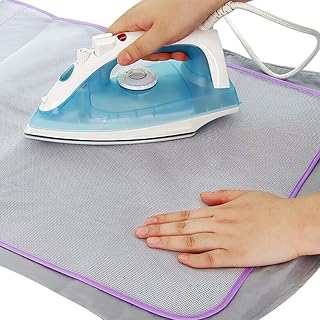
MyLifeUNIT Protective Ironing Scorch Mesh Cloth
Check PriceBest Pressing Cloth for Ironing
1. Erasable Fabric Marking Pens with Refills
Best For: Quilters and dressmakers who want long-lasting, refillable fabric markers.
The Erasable Fabric Marking Pens with Refills are the perfect solution for quilters, dressmakers, and anyone who works with fabrics regularly. These pens are designed for high durability and long-term use. They are refillable, which reduces the need for constant replacement and makes them cost-effective. The heat and water erasable ink offers flexibility, allowing you to remove markings at any stage of the project.
The fine tip of these pens creates precise, accurate lines that help you with intricate designs, from marking pleats to creating dart positions. They are especially appreciated when working with lighter fabrics that require a high level of accuracy. Furthermore, the refills are easy to insert, making them convenient to use on a daily basis.
One potential downside is that the marks can reappear in cold temperatures, so it’s essential to use an iron after erasing to ensure the markings are completely gone. Despite this minor issue, these pens are ideal for lightweight fabrics and those who prefer a refillable option for their fabric markers.
Pros:
- Refillable, reducing long-term costs.
- Dual erasable options (heat and water).
- Accurate and crisp markings.
- Great for delicate fabrics and intricate designs.
Cons:
- Marks may reappear in cold temperatures.
- Limited color options.
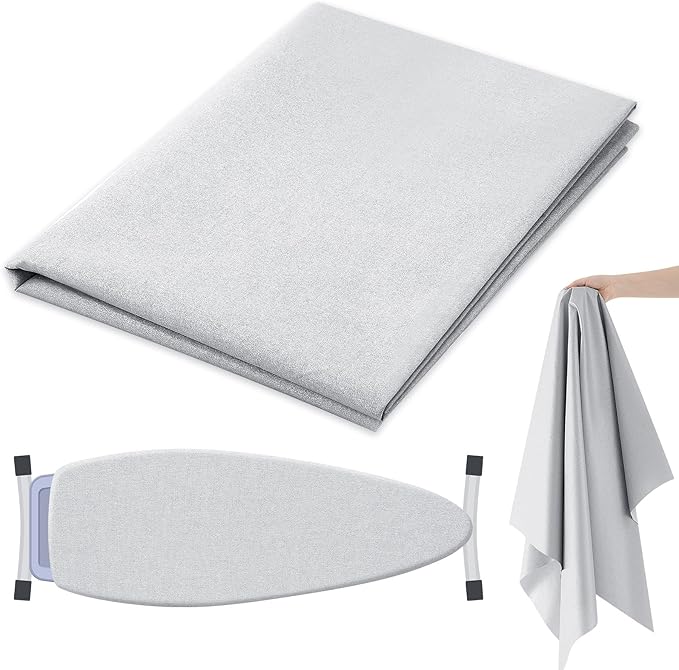
2. BlueSnail Protective Ironing and Pressing Pad
Best For: Users who want a safe, protective layer for ironing.
The BlueSnail Protective Ironing and Pressing Pad provides an essential barrier between your fabric and the hot iron. This pad prevents burns, scorch marks, and other damage by acting as a heat-resistant surface. It is designed to work effectively with both dry and steam irons, ensuring that your fabric stays safe during the ironing process.
The pad’s heat retention feature is particularly beneficial for achieving smoother, more consistent results when pressing fabrics. It helps eliminate wrinkles faster while ensuring the fabric remains undamaged. The non-slip bottom keeps it in place during use, making it easy to iron without repositioning the pad constantly.
However, some users have found that the pad is a bit bulky, making it harder to use for smaller ironing areas. Despite this, it is still a great choice for regular ironing, particularly for those who press larger garments.
Pros:
- Protects fabric from heat damage.
- Non-slip surface for stability.
- Heat retention ensures consistent results.
- Durable and easy to clean.
Cons:
- Can be bulky for smaller ironing spaces.
- May need repositioning for larger garments.
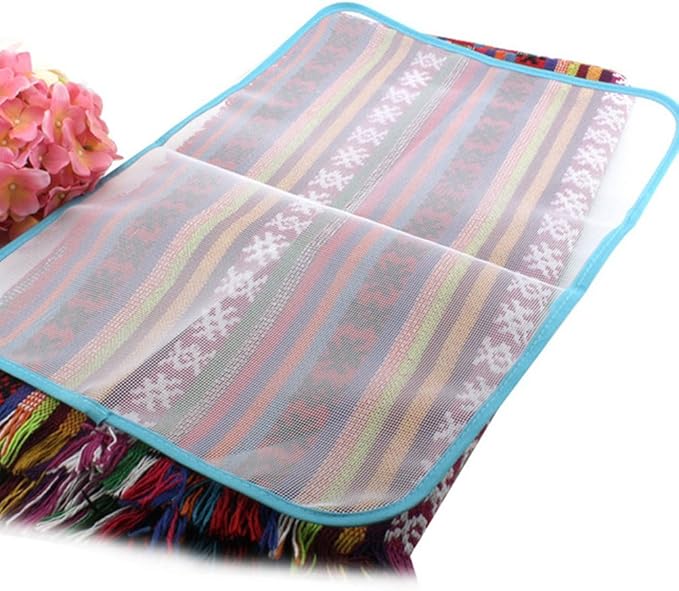
3. HunnmingRe Pressing Ironing Protective Cloth
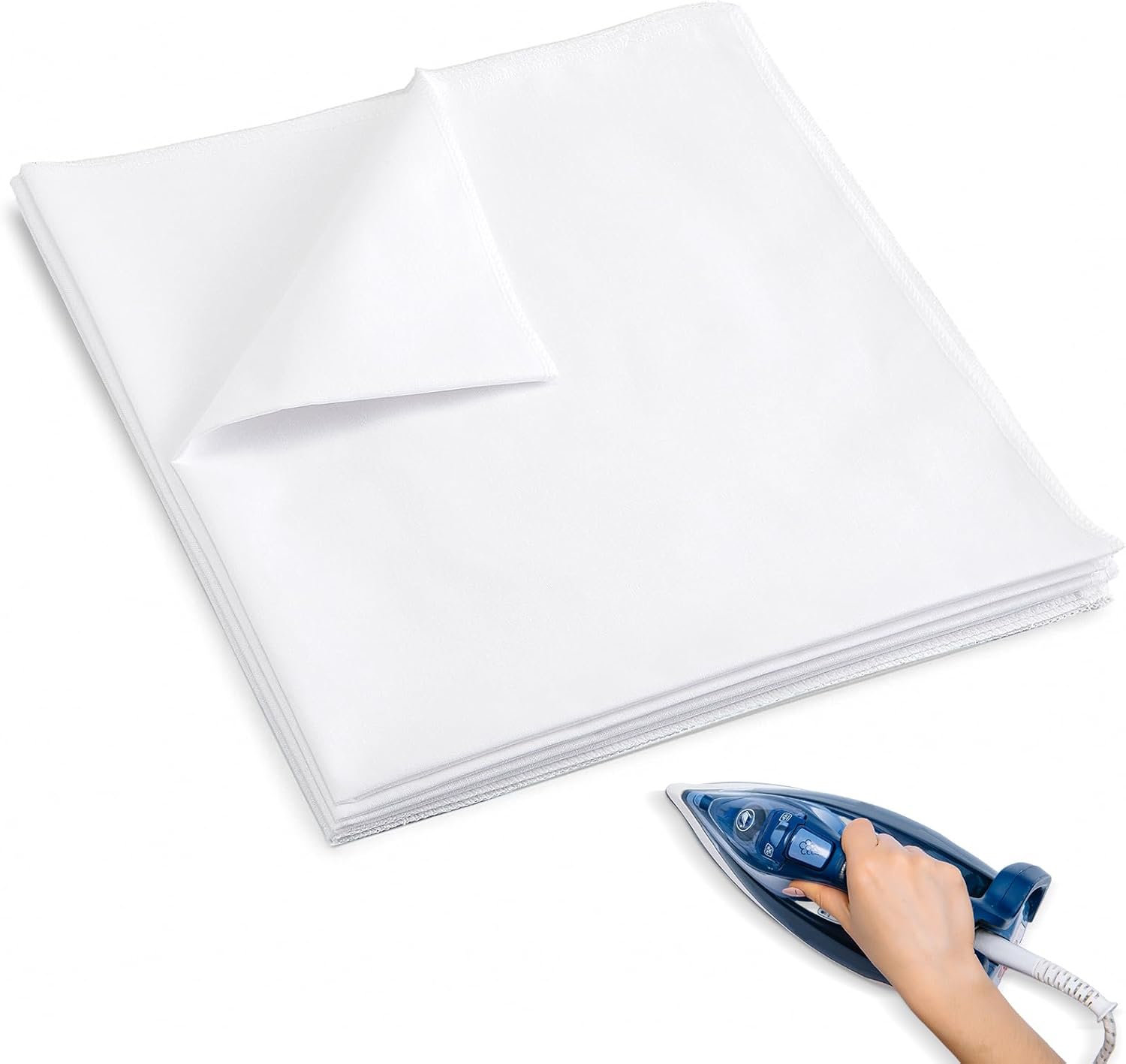
Best For: Users needing extra protection when pressing delicate fabrics.
The HunnmingRe Pressing Ironing Protective Cloth is a high-quality protective cloth designed to safeguard your fabrics from heat damage during ironing. Whether you’re working with silk, wool, or other delicate materials, this cloth acts as a barrier between your fabric and the iron, preventing burns and discoloration. It allows steam to pass through while providing the necessary protection, which makes it ideal for steam irons.
The cloth’s generous size allows for easy coverage of larger areas, making it perfect for ironing a variety of garment types. Its heat-resistant material ensures durability, and it can be reused multiple times, making it both practical and cost-effective.
While it works well for lighter fabrics, it may not be as effective for very heavy materials, which could require a thicker protective layer. Nonetheless, it excels in protecting delicate fabrics and can be easily cleaned after each use.
Pros:
- Ideal for delicate fabrics.
- Allows steam to pass through for better results.
- Durable heat-resistant material.
- Generous size for larger fabrics.
Cons:
- Not ideal for very heavy fabrics.
- Needs to be cleaned after use.
4. MyLifeUNIT Protective Ironing Scorch Cloth
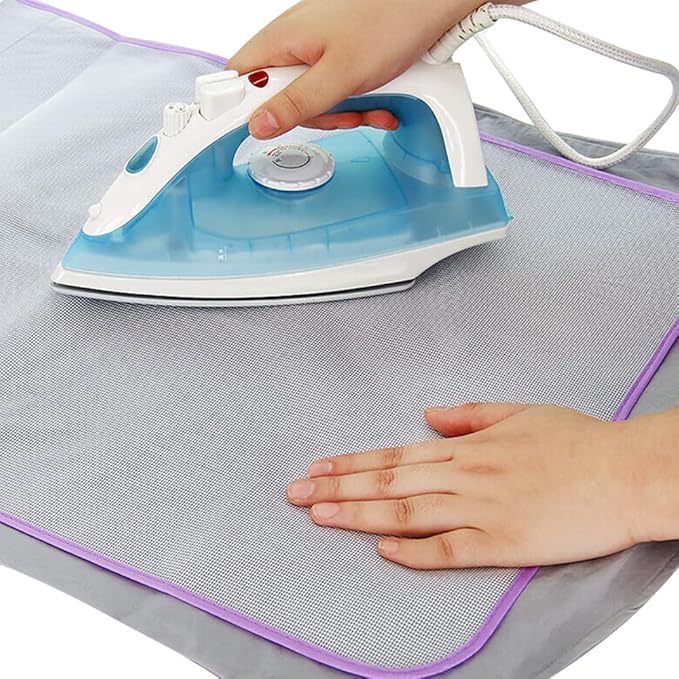
Best For: Users looking to preserve the quality of their clothes while ironing.
The MyLifeUNIT Protective Ironing Scorch Cloth is an essential accessory for anyone who wants to protect their clothes from heat damage while ironing. Made from durable, heat-resistant fabric, this cloth prevents direct contact between the fabric and the hot iron, which is especially useful for preventing scorch marks and burns. It acts as a protective barrier that helps preserve the fabric’s integrity, keeping your clothes looking fresh and new for longer.
The cloth is lightweight, making it perfect for everyday use on garments like shirts, blouses, and slacks. It works well with both regular dry irons and steam irons, providing protection across different types of ironing equipment. Whether you’re ironing delicate fabrics or heavier materials, this protective cloth ensures that your clothes stay safe while achieving a crisp, smooth finish.
While it’s ideal for most types of fabric, it may not provide enough protection for extremely heavy fabrics such as thick wool or denim. For very dense fabrics, you may need a thicker pressing cloth to offer additional heat protection. Despite this, for everyday ironing needs, the MyLifeUNIT Protective Ironing Scorch Cloth is a reliable choice.
Pros:
- Protects clothes from scorch marks and burns.
- Durable, heat-resistant material for long-lasting use.
- Suitable for both dry and steam irons.
- Lightweight and easy to use.
- Maintains fabric integrity without altering the texture.
Cons:
- May not be thick enough for heavy fabrics like wool or denim.
- Requires careful maintenance after each use to ensure longevity.
- Needs to be cleaned regularly to maintain effectiveness.
5. Mindsoft Pressing Ironing Protective Cloth
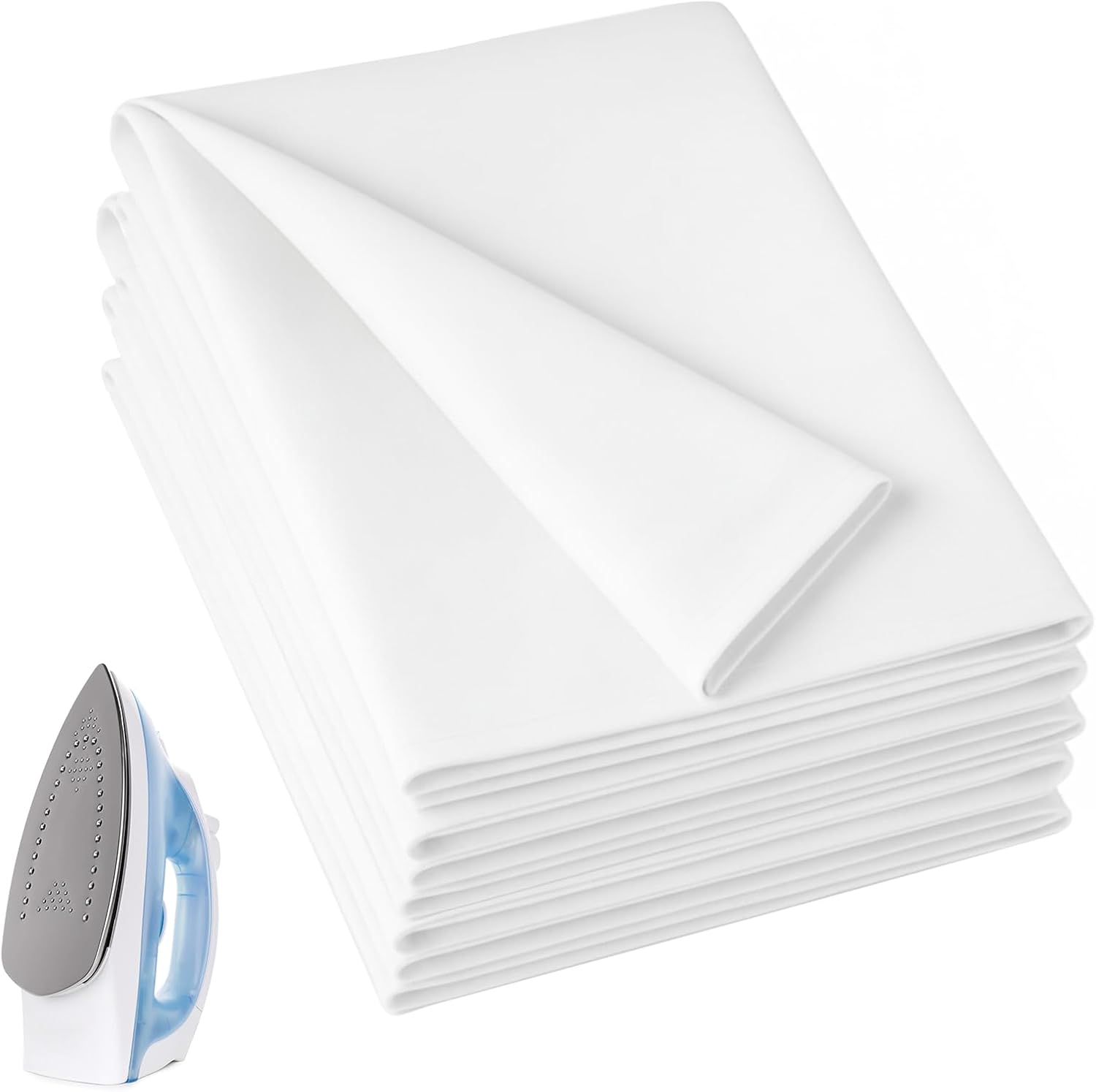
Best For: Users who want a flexible, heat-resistant protective cloth for various fabric types.
The Mindsoft Pressing Ironing Protective Cloth is a highly versatile and essential accessory for anyone who regularly irons clothes, particularly those working with delicate and medium-weight fabrics. This cloth helps protect your garments from heat damage while ironing, preventing scorch marks, burns, or any unsightly damage that could occur from direct contact with the hot iron. It acts as a barrier between your fabric and the iron, ensuring your clothes stay safe and intact during the pressing process.
Made from durable, heat-resistant material, the Mindsoft Pressing Ironing Protective Cloth can withstand high temperatures, making it suitable for both dry and steam ironing. The cloth is large enough to cover a wide area of fabric, allowing you to iron a variety of garments without needing to reposition it constantly.
A standout feature of this pressing cloth is its ability to work effectively with steam irons. The cloth allows steam to pass through, which is especially helpful when you need to remove stubborn wrinkles from fabrics that require moisture to release the creases.
However, while the Mindsoft Pressing Ironing Protective Cloth is excellent for most fabrics, it may not provide enough protection for extremely heavy or thick materials. For garments like thick wool coats or heavy denim, you might want to opt for a thicker or more heavy-duty pressing cloth for maximum protection.
The cloth is also easy to clean and can be reused multiple times, making it a cost-effective addition to your ironing routine. It’s lightweight, portable, and simple to store, making it convenient for both casual users and seasoned professionals.
Pros:
- Protects fabrics from heat damage such as scorch marks and burns.
- Durable heat-resistant material for long-lasting use.
- Works well with both dry and steam irons.
- Allows steam to pass through for more effective wrinkle removal.
- Flexible and versatile for different fabric types.
- Reusable and easy to clean.
Cons:
- May not be thick enough for very heavy fabrics.
- Requires care after each use to maintain effectiveness.
- Not ideal for extremely thick or heavy materials like heavy denim or wool.
6. Dritz Clothing Care Pressing Cloth
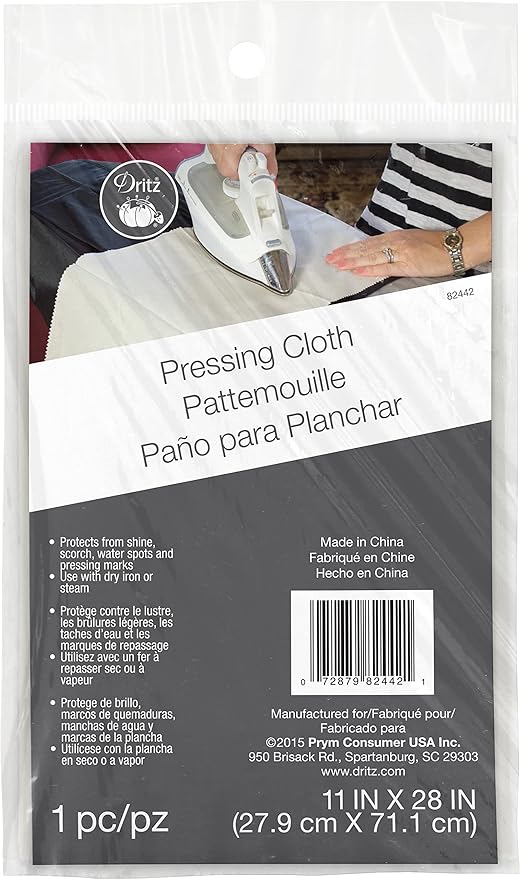
Best For: Everyday ironing needs on a wide variety of fabrics, including cotton, synthetic blends, and delicate clothes.
If you want a pressing cloth that’s durable, reliable, and straightforward to use, the Dritz Clothing Care Pressing Cloth is one of the most trusted options available. Dritz is a brand known in sewing and tailoring circles for quality and durability, and this pressing cloth continues that legacy. It’s made from a slightly heavier, heat‑resistant fabric that creates an effective barrier between your iron and your clothes, protecting fabrics from burns, shine marks, and unwanted scorching.
The cloth is large enough to cover most garment areas without constant repositioning, and the fabric allows steam to pass through so you can still use all the functions of your ironing equipment. While thicker than some sheer pressing cloths, it’s precisely this thickness that helps it work well on everyday materials that are slightly more heat‑tolerant but still need protection like cotton shirts, denim trims, and poly‑blends.
Because it’s a simple cotton‑like material, it doesn’t stick or slide while you’re pressing, and it doesn’t trap moisture that can cause water spots. However, for ultra‑delicate fabrics like silk charmeuse or chiffon, the thickness might feel a bit heavy, and some other lighter cloth could work better.
This pressing cloth handles repeated use; you can wash it after several ironing sessions to remove residue like starch or fabric spray. The edges are sturdy and won’t fray easily, so it lasts longer than cheaper alternatives.
Pros:
- High‑quality fabric resists heat and prevents burn marks.
- Large size covers a broad area for ironing.
- Works with both dry and steam irons.
- Durable and washable lasts many uses.
- Great for everyday clothes and medium‑weight fabrics.
Cons:
- Slightly thick for very delicate materials.
- Heavier feel may not suit those who prefer sheer pressing cloths.
- Requires washing if used with starch or sprays.
7. Dritz 594 Sheer Pressing Cloth
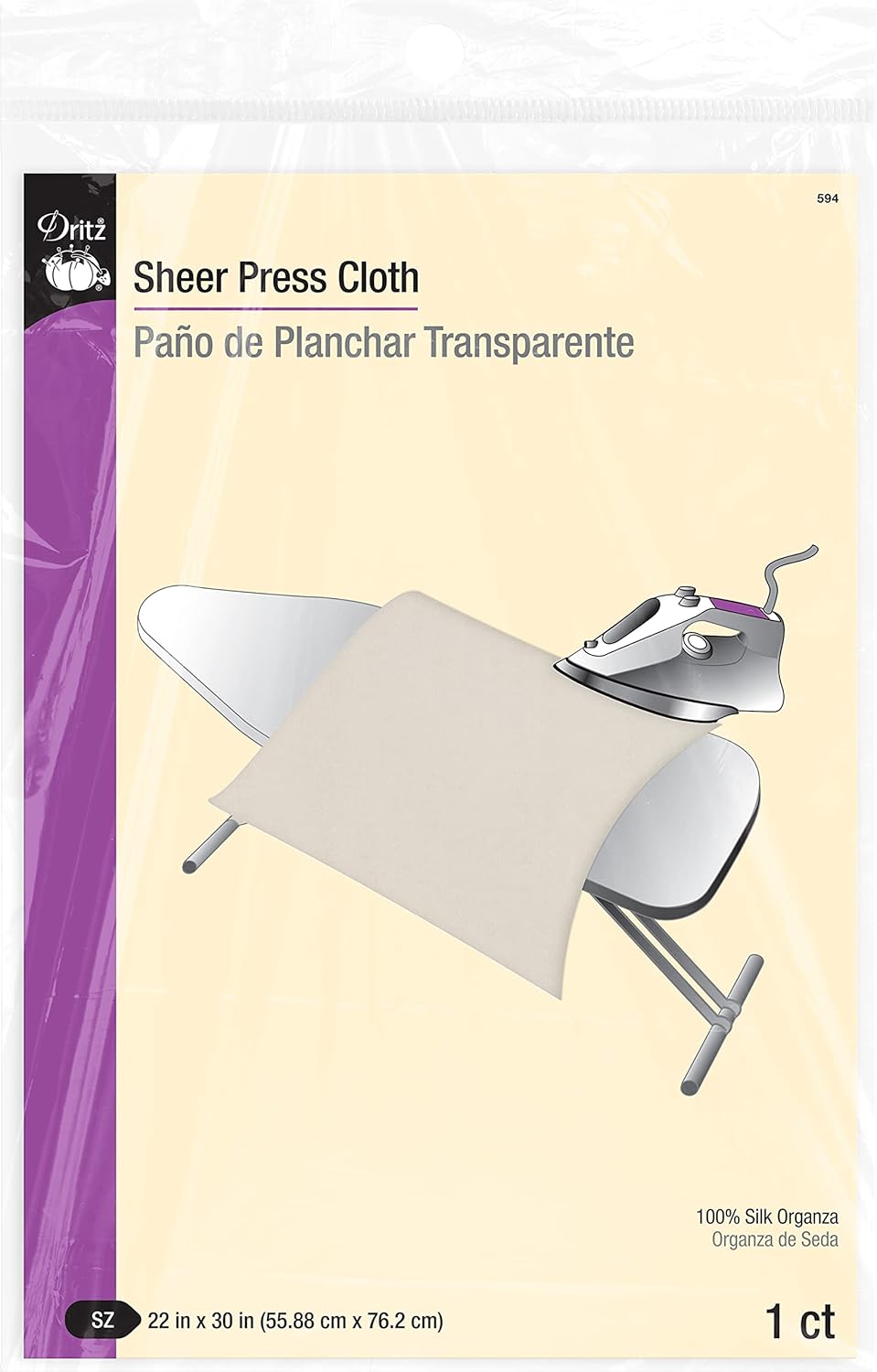
Best For: Delicate fabrics like silk, satin, chiffon, rayon, and fine linens.
The Dritz 594 Sheer Pressing Cloth targets people who need careful heat protection without changing the appearance or texture of the fabric. Unlike thicker pressing cloths, this one is lightweight and translucent, meaning it doesn’t block steam and allows heat to distribute gently. For delicate dress fabrics and silky textiles, this is critical because direct iron contact or heavy pressing cloths can easily cause shine, stretch marks, or burn spots.
This cloth is especially valuable for users who iron items immediately before wearing them like delicate blouses, skirts, scarves, and formalwear. It lets you keep the iron’s protective barrier while still seeing the fabric underneath, so it’s easier to keep seams and patterns aligned. Because the press cloth is sheer, it’s soft against the fabric yet protective against direct iron heat.
One thing to keep in mind: while it works very well with light and delicate fabrics, it isn’t designed to handle very high heat or heavy denim/linen. If you are ironing heavy fabrics, it’s better combined with a heavier towel or a thicker pressing cloth underneath.
Furthermore, the edges are finely hemmed, so you don’t get accidental snags or loose threads during ironing. The cloth also stores flat and doesn’t wrinkle itself so you always work with a smooth surface.
Pros:
- Ultra sheer is great for delicate, fine fabrics.
- Allows steam to pass through easily.
- Doesn’t alter fabric appearance.
- Lightweight and easy to manipulate.
- Stays flat and doesn’t snag edges.
Cons:
- Not suitable for heavy or thick materials.
- Thin material means less protection at high heat.
- Can wear out faster if used constantly.
8. HunnmingRe Pressing Ironing Cloth (With Set Variation)
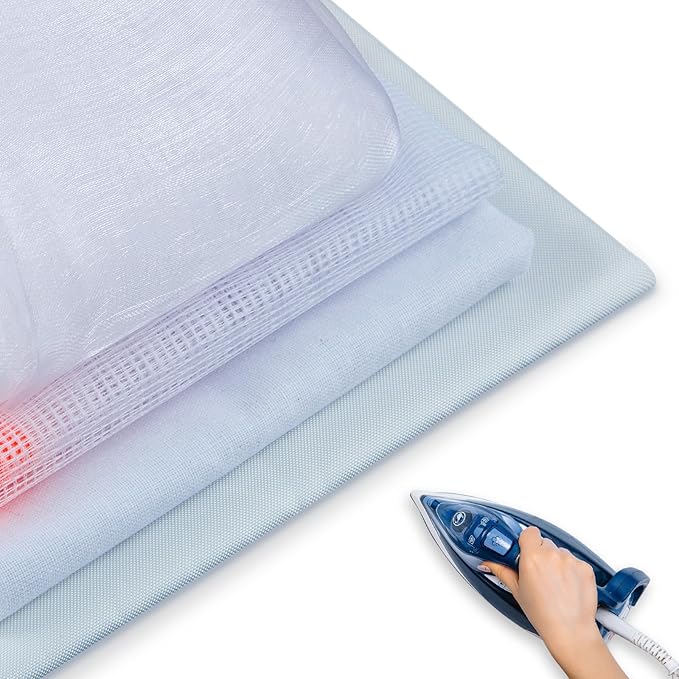
Best For: Users who want a set of pressing cloths of different sizes and thickness variations.
The HunnmingRe Pressing Ironing Cloth Set goes beyond a single barrier, it’s designed for users who need press cloths for multiple purposes: from light chiffon to moderate cotton and even heavier poly blends. This set typically includes cloths of varying thickness levels, giving you flexibility depending on the fabric you’re working with. Instead of one universal cloth, you get the right cloth for each type of ironing task.
What sets this product apart is its adaptability. If you’re working with delicate fabrics, you can use thin, sheer pieces that let heat and steam pass gently. For normal everyday garments, the medium cloth protects without interference. For heavier materials, thicker pieces in the set help absorb and distribute heat more evenly.
These cloths allow steam penetration without trapping moisture, which reduces spotting. Also, they help maintain fabric quality during repeated ironing, an important feature if you’re tailoring garments, working on quilts, or pressing large sections of fabric.
Because it’s a multi‑cloth set, you are less likely to overstretch or overstress one single cloth. The materials are heat‑resistant and machine‑washable, which makes cleaning easy after repeated use with starches or sprays.
Pros:
- Multiple cloths for different fabric types.
- Works with steam and dry irons.
- Heat‑resistant and reusable.
- Provides flexibility based on garment needs.
- Machine wash safe.
Cons:
- You may not need all cloth sizes if you iron one fabric type.
- Takes up more storage space.
- Not all cloth sizes offer the exact same heat resistance.
9. Tailor‑Eze View Pressing Cloth
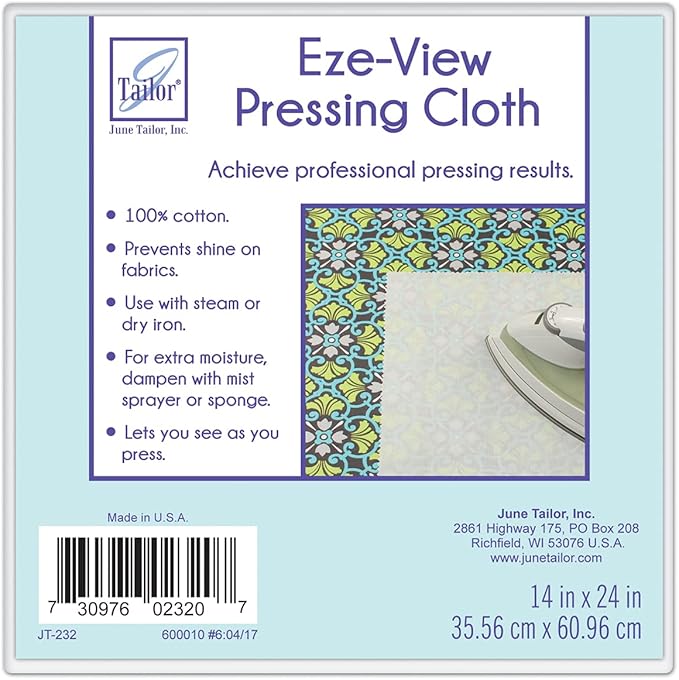
Best For: Professional tailors, home sewers, and detailed garment pressing.
The Tailor‑Eze View Pressing Cloth is a heavier, cotton‑based pressing cloth designed with professional tailoring in mind. Its structure offers robust heat protection and excellent steam distribution, making it especially helpful when pressing seams, collars, cuffs, and detailed garment components. Because Tailor‑Eze uses premium fabric, it both protects and insulates which means fewer re‑irons on tricky areas and a smoother finish.
This pressing cloth also gives you a clear visual guide while ironing; it doesn’t bunch or fold under heat. The fabric remains flat even at higher temperatures, and the thick weave helps distribute heat across a wider area, minimizing hot spots that can damage delicate sections of a garment.
One unique advantage is how it works with stubborn wrinkles: when you place it over a wrinkled section and apply steam, the cloth helps soften fibers without letting direct heat burn them. This is particularly useful for wool, cotton dress shirts, and jackets.
Yet, the Tailor‑Eze cloth’s thickness makes it less ideal for extremely light fabrics like nylon or acetate without careful handling. It’s also larger than basic clothes, so people with compact ironing areas might find it takes more space.
Pros:
- Thick, premium fabric for professional‑level ironing.
- Excellent steam distribution and heat retention.
- Great for seams, collars, and detailed work.
- Long‑lasting and reusable.
- Flat‑lay design prevents bunching.
Cons:
- Bulkier than lightweight cloths.
- Not the best choice for ultra‑delicate fabrics.
- Requires more storage space.
How to Choose the Best Pressing Cloth
1. Material Type
When choosing a pressing cloth, the material is one of the most important factors. Pressing cloths are typically made from cotton, polyester, or linen. Here’s what to look for:
- Cotton: The most popular material for pressing cloths due to its heat-resistance and breathability. It’s great for everyday fabrics like cotton shirts or wool garments.
- Linen: Provides excellent protection and heat distribution, but is more prone to wrinkles. It’s perfect for high-quality garments like linen shirts or dresses.
- Polyester: Typically less durable under high heat, but works well for delicate or synthetic fabrics.
2. Thickness of the Cloth
The thickness of the pressing cloth determines the level of protection. For light fabrics like silk, a thinner, sheer cloth works best. For heavier fabrics, such as denim or wool, thicker pressing cloths offer more heat protection. Choose a cloth that suits the fabric you intend to press.
3. Size of the Cloth
The size of the pressing cloth should be large enough to cover the area you want to press. If you’re working with large garments, such as a jacket or dress, choose a bigger cloth. Most pressing cloths are designed to cover smaller areas, so be sure to check the dimensions before purchasing.
4. Steam Compatibility
If you frequently use a steam iron, you should look for a pressing cloth that allows steam to pass through. This will enable you to remove wrinkles while still providing protection from direct heat. Pressing cloths that are too thick may trap moisture, leading to water spots, so it’s essential to find a balance.
How to Use a Pressing Cloth
Step 1: Prepare Your Ironing Surface
Ensure that your ironing board or flat surface is clean and dry. If you are using a steam iron, fill the iron with water and set it to the appropriate temperature for your fabric.
Step 2: Position the Pressing Cloth
Place the pressing cloth on top of the fabric you wish to iron. Make sure that it covers the entire area you plan to press. If the fabric is delicate, you may want to use a slightly thicker cloth for added protection.
Step 3: Iron the Fabric
Carefully press the iron onto the pressing cloth. Use light pressure to ensure that the heat from the iron is distributed evenly. Do not press the iron directly onto the fabric always use the cloth as a barrier.
Step 4: Check for Wrinkles
After pressing for a few seconds, lift the iron and check the fabric for wrinkles. If the fabric needs further pressing, reposition the cloth and repeat the process until the desired smoothness is achieved.
Step 5: Clean the Pressing Cloth
After ironing, be sure to clean the pressing cloth, especially if you’ve used it with starch or fabric sprays. Many pressing cloths are machine washable, but always check the care instructions to avoid damage.
FAQs About Pressing Cloths
Q1: What fabrics need a pressing cloth?
Pressing cloths are essential for delicate fabrics such as silk, chiffon, satin, and wool. They also work well for synthetic fibers like polyester. However, for everyday fabrics like cotton and linen, a pressing cloth may not always be necessary.
Q2: Can I use a towel as a pressing cloth?
Yes, you can use a clean cotton towel as a makeshift pressing cloth. However, towels tend to be thicker, and they might not provide the same smooth finish as a purpose-made pressing cloth. Use towels only for heavier fabrics or when you don’t have a dedicated cloth available.
Q3: How do I store my pressing cloth?
To store your pressing cloth, simply fold it and keep it in a dry, clean location. If your pressing cloth is particularly large, you can roll it up. Avoid folding it too tightly, as it can develop creases that might transfer to your fabric during use.
Q4: Can I use a pressing cloth with a steam iron?
Yes, most pressing cloths are designed to work with steam irons. In fact, pressing cloths can help evenly distribute steam to remove wrinkles without causing heat damage to the fabric underneath.
Q5: How often should I clean my pressing cloth?
Cleaning your pressing cloth depends on how often you use it. If you use it with starch or other fabric treatments, it’s a good idea to wash it after each use. For light ironing, you can wash it once a week or after every few uses.
Conclusion
Choosing the right pressing cloth can make a significant difference in the quality of your ironing results. By considering the material, thickness, size, and steam compatibility, you can find a pressing cloth that works for your needs. Remember to follow the proper ironing techniques and always use the right cloth for the fabric you’re pressing. Whether you’re a professional tailor or just someone who wants to keep their clothes in top condition, a good pressing cloth is an essential tool in your ironing kit.
