
Perfectly parallel stitches on t-shirts and stretch fabrics are often created with a simple yet powerful tool. Understanding how to use a double needle can help you achieve professional-looking hems at home without needing a coverstitch machine.
At first glance, a double needle may seem confusing since it features two needles attached to a single shaft. However, once you learn how it works, it becomes one of the easiest and most useful tools in your sewing kit. Whether you’re hemming garments, adding decorative stitching, or working with stretch fabrics, this tool can instantly elevate your results.
In this complete guide, you’ll discover how to use a double needle step by step, along with expert tips, common mistakes to avoid, and the best settings to achieve perfect stitches every time.
What Is a Double Needle?
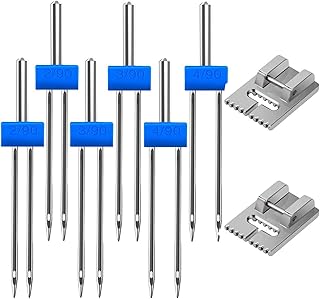
6Pack Twin Needle Double Needle with 2 PCS 9 Groove Pintuck Presser Foot 3 Size 2/90 3/90 4/90 by HOWRIN
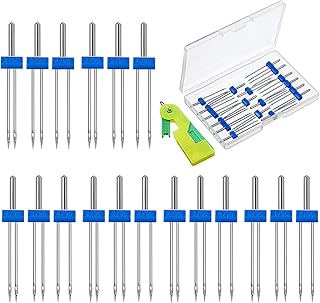
18 Pieces Sewing Machine Twin Needles Double Twin Needles Pins Twin Stretch Needles with Plastic Box
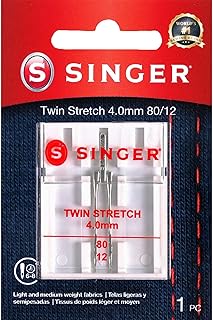
SINGER Universal Twin Stretch Sewing Machine Needle
A double needle, also known as a twin needle, is a sewing machine needle that has two needles attached to a single shank. This allows your machine to sew two parallel lines of stitching at the same time while using one bobbin thread underneath.
On the top side of the fabric, you’ll see two straight, even lines. On the underside, the bobbin thread creates a zigzag pattern that gives the stitch flexibility. This is why double needles are perfect for stretch fabrics like jersey and knit materials.
Double needles come in different sizes and spacing widths, which determine how far apart the stitches will be. Choosing the right type depends on your fabric and the look you want to achieve.
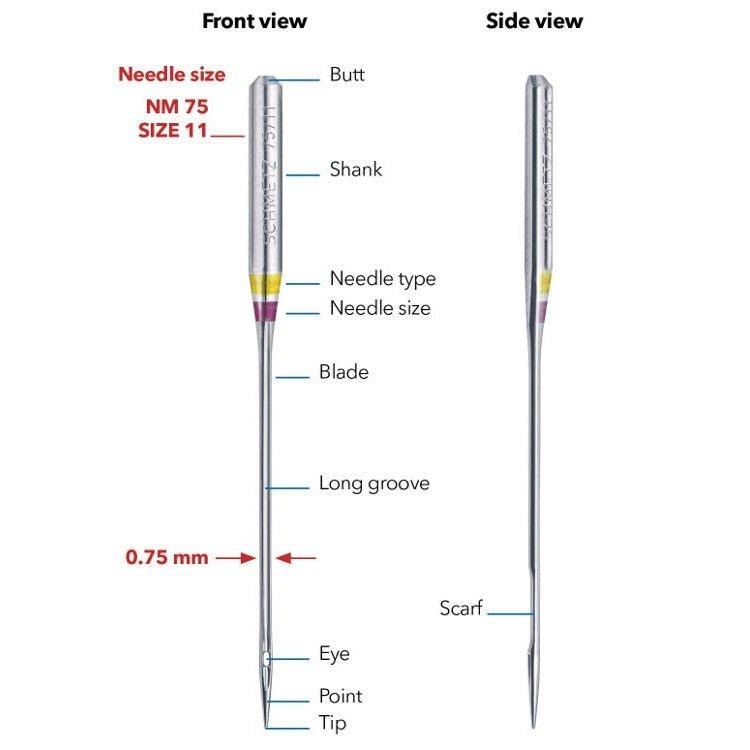
Types of Double Needles
Understanding the different types will help you choose the right one for your project.
Universal Double Needle
This is the most common type and works well with woven fabrics like cotton. It’s perfect for general sewing and basic hems.
Stretch Double Needle
Designed specifically for stretchy fabrics like knits and spandex. It prevents skipped stitches and allows flexibility.
Denim Double Needle
Stronger and sharper, this type is used for heavy fabrics like denim or canvas.
Sizes & Spacing
Double needles come with different spacing (e.g., 2.0mm, 3.0mm, 4.0mm). Wider spacing creates more visible parallel lines, while narrow spacing gives a subtle finish.
Tools & Materials You’ll Need
Before you start, gather everything you need to avoid interruptions:
- Sewing machine (double-needle compatible)
- Double needle (correct type and size)
- Two spools of thread
- Bobbin with thread
- Fabric (preferably tested on scrap first)
Having the right setup ensures smoother sewing and better results.
Step-by-Step Guide to Using a Double Needle
Learning how to use a double needle is easier than it looks when you follow a simple step-by-step process. Here’s how to set it up and start sewing with confidence:
1. Insert the Double Needle
Turn off your sewing machine and carefully insert the double needle just like a regular needle, making sure it is fully secured and facing the correct direction.
2. Thread the Machine with Two Spools
Place two spools of thread on your machine. Guide both threads through the threading path together, then separate them at the needle, each thread goes through one needle.
3. Use the Correct Presser Foot and Plate
Make sure your presser foot and needle plate can accommodate the width of the double needle to avoid breakage.
4. Select the Right Stitch
Choose a straight stitch only. Avoid zigzag or decorative stitches, as they can cause the needle to hit the plate and break.
5. Adjust Tension if Needed
Start with your normal tension settings, then test on scrap fabric. Adjust slightly if the stitches appear uneven or puckered.
6. Test on Fabric First
Always sew on a scrap piece of the same fabric to check stitch quality and spacing before working on your final project.
7. Start Sewing Slowly
Begin stitching at a slower speed to ensure everything runs smoothly and the stitches stay even.
8. Check the Underside Stitch
The bottom thread should form a zigzag pattern, which allows the fabric to stretch without breaking the stitches.
Best Stitch Settings for Double Needle
Choosing the right settings is very important for clean results.
- Use straight stitch only – zigzag can break the needle
- Stitch length: 2.5 to 3.0 works best
- Tension: Slightly lower than normal to avoid puckering
- Presser foot pressure: Adjust if your fabric stretches
The bobbin thread naturally creates a zigzag underneath, which allows the seam to stretch without breaking.
Tips for Sewing with a Double Needle
To get professional-quality results, follow these tips:
- Always test on scrap fabric first
- Use matching or contrasting thread colors for style
- Sew slowly to maintain control
- Use a stabilizer for thin or stretchy fabrics
- Avoid pulling the fabric while sewing
These small adjustments can make a big difference in your final stitches.
Common Mistakes to Avoid
Many beginners make simple mistakes that can damage the needle or ruin stitches:
- Using zigzag stitch: This can cause the needle to hit the plate and break
- Incorrect threading: Leads to uneven stitches
- Wrong needle size: Causes skipped stitches
- Pulling fabric: Results in stretched or uneven seams
Avoiding these mistakes will save time and frustration.
When to Use a Double Needle
A double needle is useful in many sewing situations:
- Hemming t-shirts and knit garments
- Decorative stitching on clothes
- Creating parallel seams
- Finishing stretch fabrics professionally
It’s a great alternative to expensive coverstitch machines.
Advantages of Using a Double Needle
There are many benefits to using a double needle:
- Creates professional-looking hems
- Saves time by sewing two lines at once
- Works perfectly on stretch fabrics
- Adds decorative stitching options
It’s one of the easiest ways to upgrade your sewing quality.
Limitations of Double Needle Sewing
Despite its benefits, there are some limitations:
- Only works with straight stitch
- Requires careful setup
- Not suitable for very thick fabrics
- Needs practice for best results
Understanding these limitations helps you use it effectively.
FAQs
1. What is a double needle used for?
A double needle is used to create two parallel rows of stitching, commonly for hemming stretch fabrics and adding decorative stitches.
2. Can I use a double needle on any sewing machine?
Most sewing machines can use a double needle, but you should check your manual to ensure compatibility and proper settings.
3. Do I need two spools of thread for a double needle?
Yes, you need two spools of thread, one for each needle, to create the double stitch effect.
4. Why is my double needle skipping stitches?
Skipped stitches can be caused by incorrect threading, wrong needle size, or improper tension settings.
5. Can I use zigzag stitch with a double needle?
No, you should only use a straight stitch. Zigzag or decorative stitches can break the needle.
6. What tension should I use with a double needle?
Start with normal tension and adjust slightly if needed based on your fabric and stitch quality.
7. Why does the bottom stitch look like a zigzag?
This is normal. The bobbin thread forms a zigzag to allow stretch and flexibility in the fabric.
8. What fabrics are best for a double needle?
Double needles work best on knit and stretch fabrics like jersey, making them ideal for t-shirts and activewear.
9. Why does my fabric pucker when using a double needle?
Puckering can happen due to high tension or lack of stabilizer. Try lowering tension or using a stabilizer.
10. Can beginners use a double needle?
Yes, once you understand the setup, a double needle is easy to use and great for achieving professional results.
Conclusion
Using a double needle is a simple way to achieve clean, professional-looking stitches without advanced equipment. Once you understand how to use a double needle, you can easily create neat hems, decorative finishes, and stretch-friendly seams right from your home sewing machine.
With the right setup, proper threading, and a bit of practice, this small tool can make a big difference in your sewing results. By following the steps and avoiding common mistakes, you’ll gain more confidence and take your projects to the next level with polished, high-quality finishes.
