
Choosing a sewing machine can feel overwhelming, especially with so many models, features, and price ranges available. The right sewing machine depends entirely on your experience level, goals, and the type of projects you want to create. Some people only need a machine for simple repairs, while others dream of quilting, embroidery, or even starting a sewing business. Understanding your needs before buying prevents frustration and unnecessary upgrades. This guide will help you confidently decide which sewing machine is truly right for you.
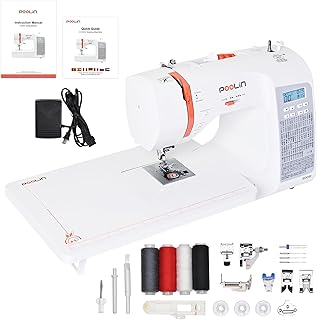
PooLin EOC02 Computerized Sewing Machine,Easy Home Sewing Machine with 200 Stitches
Check PriceWhich Sewing Machine Is Right for Me?
1. Start by Understanding Your Sewing Goals
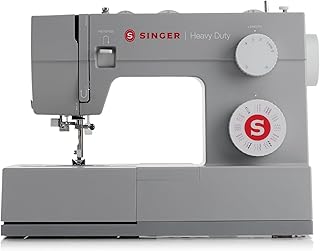
SINGER® Heavy Duty 4452 (Grey) High Speed Sewing Machine + Accessories | 32 Built-In Stitches Deliver 110 Stitch Applications | 50% More Power for Thick Fabrics, 1100 Stitches/Min, 1-Step Buttonhole
Check PriceBefore comparing brands or features, ask yourself what you actually want to sew. If your goal is simple hemming, repairs, and basic crafts, you do not need an advanced computerized machine. However, if you plan to design clothes, quilt large projects, or explore embroidery, your needs will be different. Think about whether sewing is a casual hobby or something you want to grow into long-term. Buying based on future growth can save money and prevent upgrading too soon.
Your sewing goals determine everything: stitch variety, motor power, workspace size, and additional features. The clearer your goals, the easier the decision becomes.
2. If You’re a Beginner: Keep It Simple
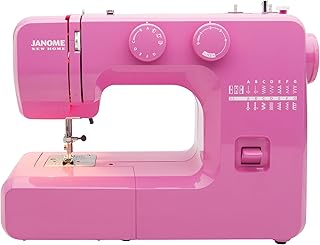
Janome Pink Sorbet Easy-to-Use Sewing Machine with Interior Metal Frame, Bobbin Diagram
Check PriceIf you are new to sewing, look for a machine that is easy to understand and operate. A beginner-friendly sewing machine should include basic stitches such as straight stitch, zigzag, and buttonhole options. Complicated menus and hundreds of stitches can feel overwhelming at first. Simplicity builds confidence and helps you focus on learning core techniques.
Look for features like automatic needle threading, top-loading bobbin systems, and adjustable speed control. These small conveniences make a big difference when learning. A lightweight but sturdy machine with clear controls is ideal for beginners who want smooth, stress-free practice.
3. If You’re an Intermediate Sewer: Look for More Versatility
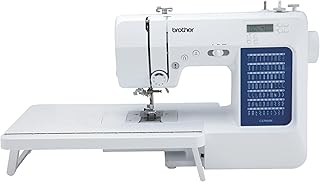
Brother CS7000X Computerized Sewing and Quilting Machine, 70 Built-in Stitches, LCD Display, Wide Table, 10 Included Feet, White
Check PriceIf you already understand basic sewing techniques and want to expand your skills, you’ll benefit from a more versatile machine. Intermediate sewers often explore garment construction, quilting, decorative stitching, and home décor projects. At this stage, having more built-in stitches and adjustable stitch length and width becomes important.
Features like needle up/down control, automatic thread cutting, and speed adjustment offer better precision. A larger workspace is helpful for quilts and bulky fabrics. This level of machine gives you creative flexibility without jumping into professional-level complexity.
4. If You’re Advanced or Sewing Professionally
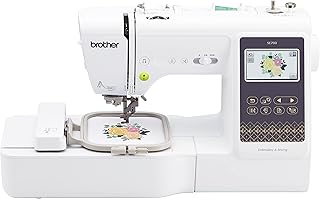
Brother SE700 Sewing and Embroidery Machine, Wireless LAN Connected, 135 Built-in Designs
Check PriceAdvanced sewers and professionals require power, precision, and efficiency. If you work with heavy fabrics, multiple layers, or detailed decorative patterns, a computerized sewing machine with a strong motor is ideal. These machines often include large stitch libraries, touchscreen displays, memory functions, and programmable stitch settings.
Professional users also benefit from machines that can handle continuous sewing without overheating or skipping stitches. If embroidery or large quilting projects are part of your work, combination sewing and embroidery machines may be the right investment. At this level, durability and long-term reliability matter more than price alone.
5. Consider Specialized Sewing Machines
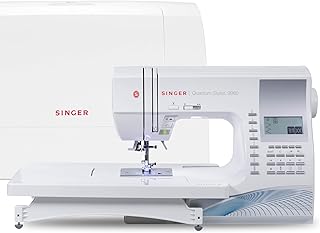
SINGER Quantum Stylist 9960 Computerized Sewing & Quilting Machine – Metal, Plastic, with Extension Table
Check PriceSometimes, a standard sewing machine is not enough. If you are focused on embroidery, you may want a dedicated embroidery machine. If you want professional seam finishes, a serger (overlock machine) is a great addition. Heavy-duty sewing machines are best for denim, canvas, and upholstery work.
Long-arm quilting machines are designed specifically for large quilt projects. These specialized machines are not always necessary for beginners, but can become valuable tools as your skills expand. Choosing the right specialty machine depends entirely on your creative direction.
6. Match Your Budget to Your Needs
PooLin EOC02 Computerized Sewing Machine,Easy Home Sewing Machine with 200 Stitches
Check PriceBudget plays an important role in your decision, but it should not be the only factor. Entry-level sewing machines are affordable and suitable for light projects. Mid-range machines often offer the best balance between features and durability. Premium machines provide advanced capabilities, but they are not always necessary unless you plan to sew frequently or professionally.
Spending slightly more on quality can save money in the long run by reducing repairs and upgrades. Think of your sewing machine as a long-term investment rather than a short-term purchase.
7. Signs You May Need to Upgrade
If your current machine struggles with thick fabrics, skips stitches, or lacks stitch variety for your projects, it may be time to upgrade. Frustration while sewing is often a sign that your machine is limiting your creativity. Frequent breakdowns and costly repairs also signal that investing in a better machine makes sense.
Upgrading is not about buying the most expensive option; it’s about choosing a machine that matches your current skill level and creative ambitions.
8. Tips to Make the Final Decision
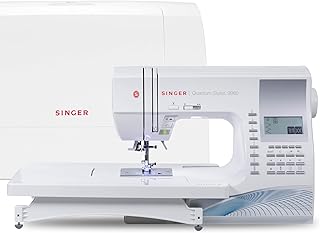
SINGER Quantum Stylist 9960 Computerized Sewing & Quilting Machine – Metal, Plastic, with Extension Table, Hard Case & Accessories, 600 Stitches, Lettering, LED Light, 1-Step Buttonhole
Check PriceBefore purchasing, read real user reviews and look for long-term performance feedback. Check warranty coverage and service availability in your area. If possible, test a machine in-store or borrow one from a friend to see how it feels. Comfort and ease of use are just as important as features.
Choose a sewing machine that feels right for your hands, your projects, and your future goals. The best machine is the one that supports your creativity without overwhelming you.
FAQs
Is a computerized sewing machine better for beginners?
Not always. Computerized machines offer convenience, but many beginners do well with simple mechanical models.
Can one sewing machine handle quilting and embroidery?
Some combination machines can handle both, but serious embroidery often requires specialized features.
Do more expensive sewing machines last longer?
Generally, higher-quality machines use better materials and last longer with proper maintenance.
How do I know if a machine is too advanced for me?
If the features feel confusing and unnecessary for your projects, it may be more than you currently need.
Conclusion
The answer to Which sewing machine is right for me? depends entirely on your skill level, goals, and budget. Beginners benefit from simple, reliable machines. Intermediate sewers need versatility and expanded stitch options. Advanced users require power, durability, and advanced customization features. By clearly identifying your needs and future ambitions, you can confidently choose a sewing machine that grows with you and supports your creative journey.
The right machine doesn’t just sew, it inspires.
