
Understanding how to read a sewing tape measure is a core skill for anyone who sews, tailors, or alters clothes. Many fitting problems happen because measurements are taken incorrectly, not because of poor stitching. A sewing tape measure may look easy, but its markings can confuse beginners if not explained properly. This article explains the process step by step in clear, natural English, so you can measure fabric and body sizes with confidence.
What Is a Sewing Tape Measure
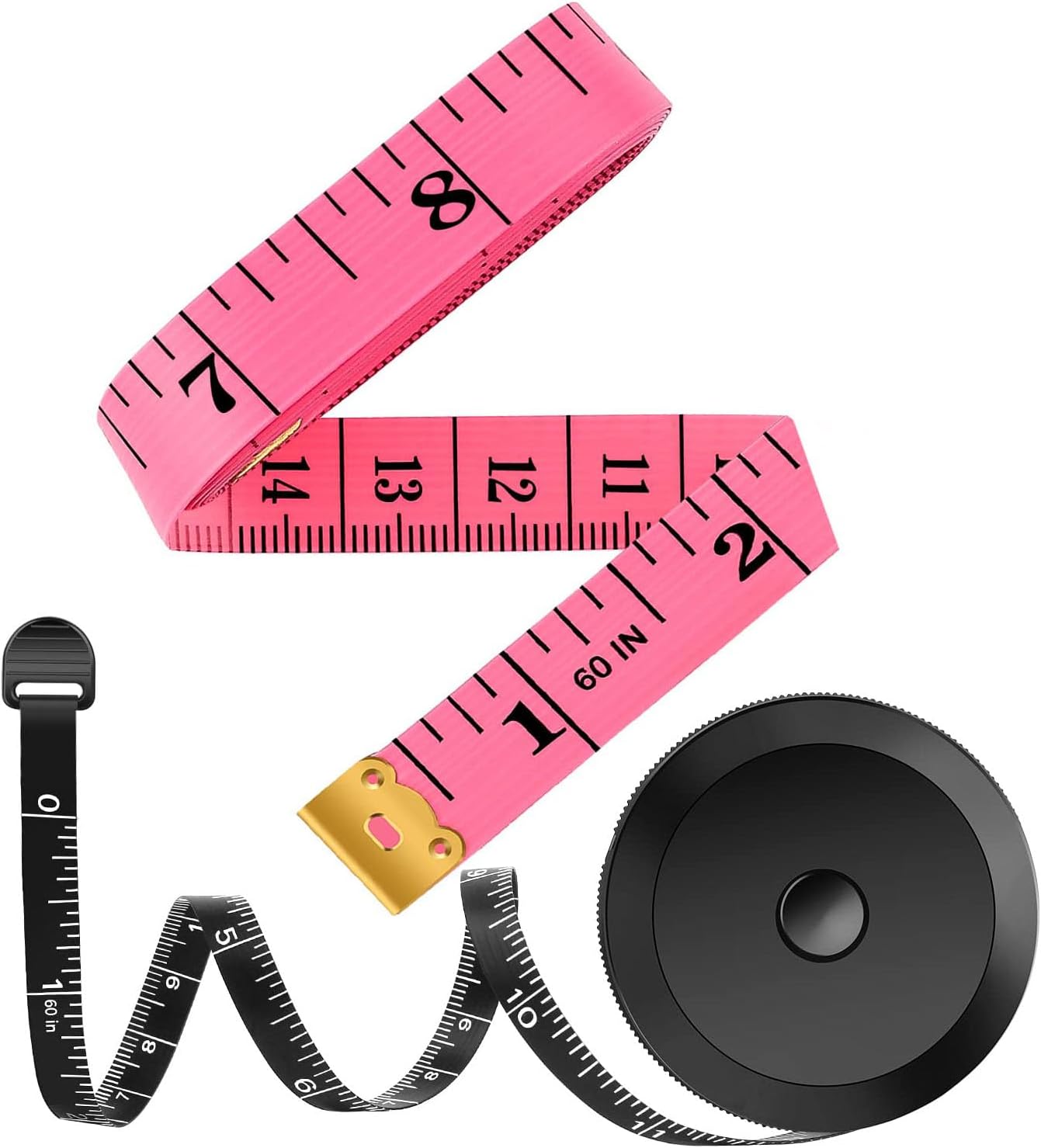
iBayam 2 Pack Tape Measure Measuring Tape for Body Fabric Sewing Tailor Cloth
2 Pack Soft Fashion Measuring Tape Set. Double sided, 60 inch / 150 cm, portable,durable tape measure. Small and light pocket size measuring tape.
Check PriceA sewing tape measure is a soft, flexible measuring tool made from materials like fiberglass, vinyl, or plastic. Unlike hard metal tapes, it bends easily around curves, which makes it perfect for measuring bodies, sleeves, waists, hips, and fabric lengths. Most sewing tape measures are 60 inches or 150 centimeters long, which is enough for most sewing and tailoring tasks.
If you’re just starting out, a tape measure is one of the must-have tools included in most beginner kits. Check out our guide to the Best Sewing Kits for Adults, Beginners, and Travelers to find complete, portable kits with all the essentials in one place.
Understanding Both Sides of the Tape Measure
Most sewing tape measures have two sides printed on them. One side shows inches, while the other shows centimeters. The inch side is mainly used in the United States and in patterns written in imperial units. The centimeter side is commonly used worldwide and in metric based patterns. Always check which side you are using before starting, as mixing them can lead to wrong measurements.
How to Read Inches on a Sewing Tape Measure
On the inch side, each large number represents one full inch. Between two numbers, you will see several lines of different lengths. The longest middle line usually shows half an inch. Shorter lines represent quarter inches, and the smallest lines show eighths or sixteenths. To read inches correctly, count the full inches first, then add the fraction where your measurement ends.
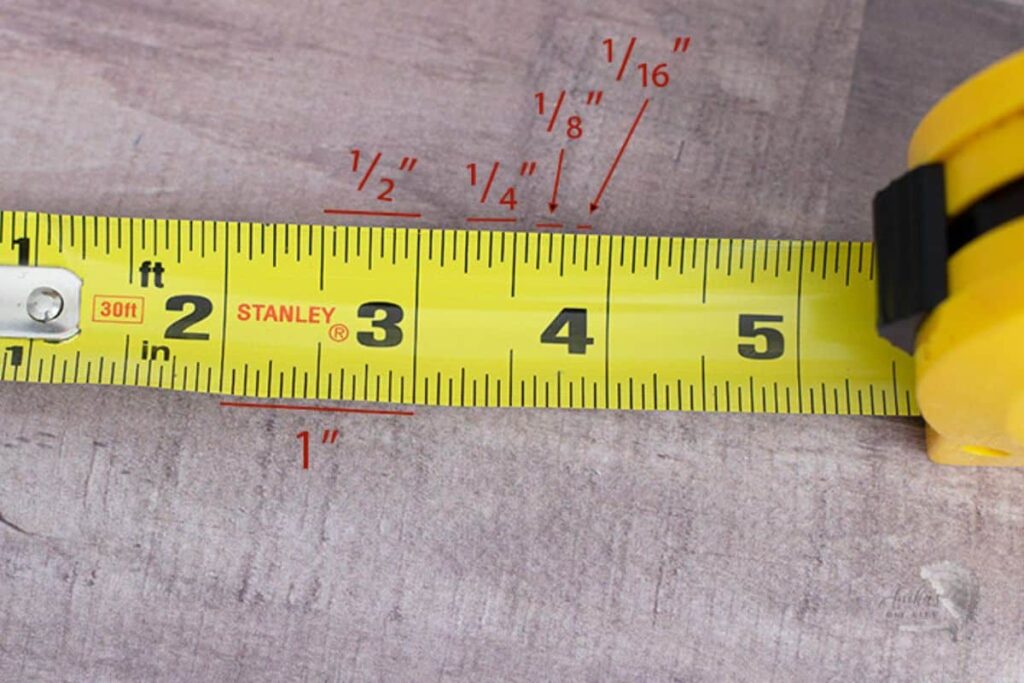
How to Read Centimeters on a Sewing Tape Measure
On the centimeter side, each numbered mark represents one centimeter. Between each centimeter, there are ten small lines, which are millimeters. Every small line equals one millimeter, and every ten millimeters equal one centimeter. This side is easier to read because the spacing is consistent and there are no fractions involved.
Starting from Zero the Right Way
Always begin measuring from the zero mark, not from the edge of the tape. Some sewing tapes have a small gap or extra material before zero, which can cause incorrect readings if ignored. Place the zero point exactly at the start of the fabric or body part you are measuring to get accurate results.
Measuring Fabric Correctly
When measuring fabric, lay it flat on a table without stretching it. Align the tape measure straight along the fabric edge. Do not twist or bend the tape, as this can change the measurement. For longer fabric pieces, measure in sections if needed and add the numbers carefully.
Measuring the Body for Sewing
When measuring the body, the tape should be snug but not tight. It should rest naturally against the body without squeezing the skin. For areas like the chest, waist, and hips, keep the tape level and parallel to the floor. Stand in a relaxed position and avoid holding your breath, as this can affect the measurement.
Common Mistakes to Avoid
A common mistake is pulling the tape too tightly, which results in smaller measurements. Another mistake is letting the tape hang loosely, which gives larger readings. Mixing up inches and centimeters is also very common, especially for beginners. Always double check the unit before writing down your measurements.
Why Accurate Reading Matters in Sewing
Correct measurements ensure proper fitting, clean seams, and professional looking results. Even a small error can affect how a garment looks and feels. Learning how to read a sewing tape measure properly saves time, fabric, and frustration, especially when following patterns or doing alterations.
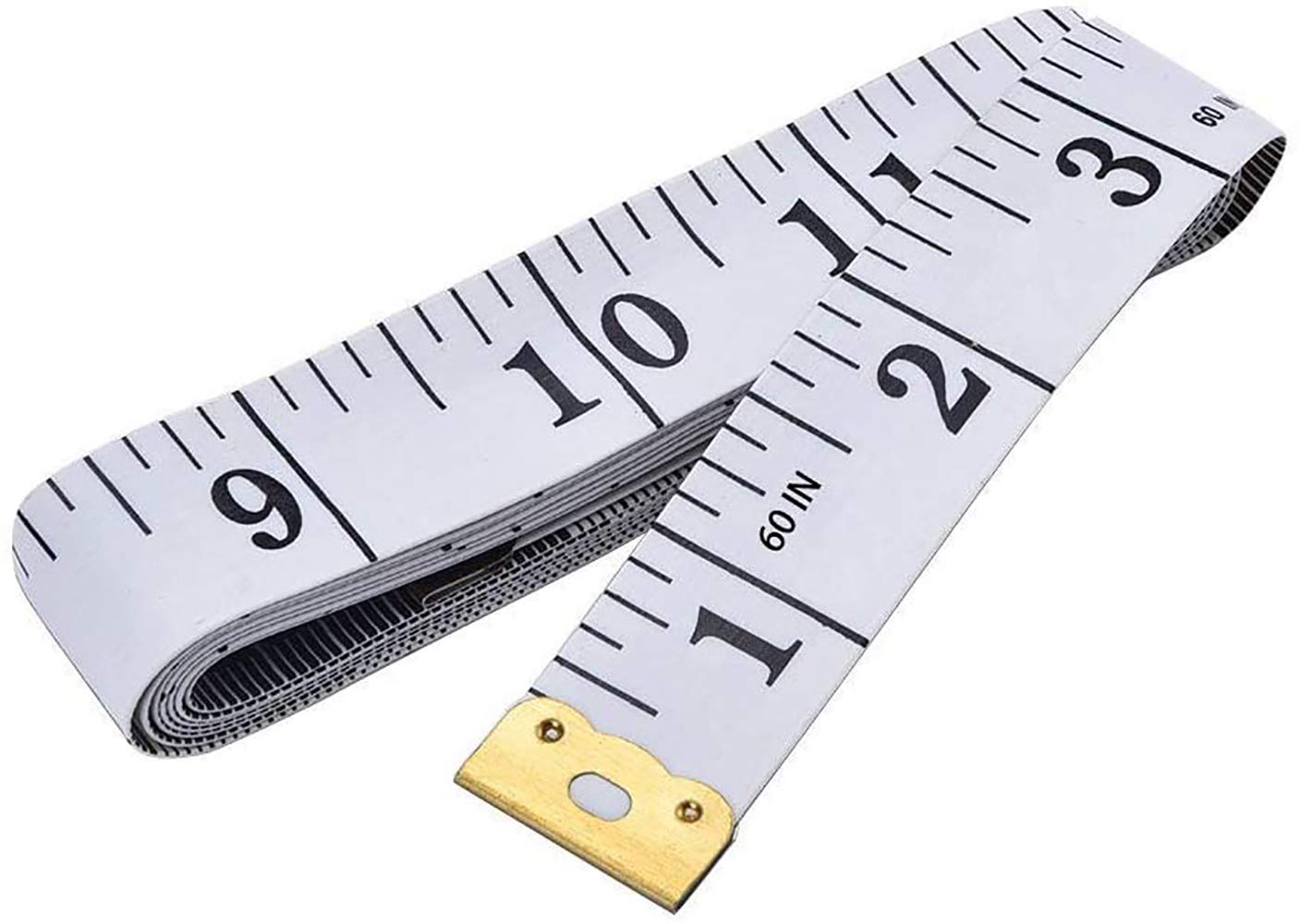
GDMINLO Soft Tape Measure Double Scale Body Sewing Flexible Tailor
Measuring range: 0 to 60 inches and 0 to 150 centimeters. There is a centimeter scale on the back, which is accurately printed in inches and centimeters. Both sides can be measured according to your requirements. You can put one in your pocket or backpack without taking up too much space
Check PriceFrequently Asked Questions
How do you read a sewing tape measure?
To read a sewing tape measure, start at the metal tip or zero mark and follow the numbers along the tape. The large numbers represent inches or centimeters, while the smaller lines between them indicate fractions or millimeters.
What do the small lines on a sewing tape measure mean?
The small lines represent measurement increments. On an inch-based tape, they usually show 1/8, 1/4, 1/2, and 1/16 inches. On a metric tape, the smaller lines represent millimeters between each centimeter.
How do you read inches on a sewing tape measure?
Each numbered mark equals one inch. The longest line halfway between two numbers represents 1/2 inch, medium lines represent 1/4 inches, and the shortest lines usually represent 1/8 or 1/16 inches.
How do you read centimeters on a sewing tape measure?
Each large numbered mark represents one centimeter. The smaller lines between them indicate millimeters, with 10 millimeters making one centimeter.
Why do sewing tape measures have numbers on both sides?
Sewing tape measures often show inches on one side and centimeters on the other. This makes it easier to follow patterns that use different measurement systems.
What does the metal tip on a sewing tape measure do?
The metal tip helps keep the tape stable while measuring and ensures accurate starting points, especially when measuring around the body or fabric edges.
How do you measure your body accurately with a sewing tape?
Keep the tape snug but not tight, stand naturally, and measure directly against the skin or over thin clothing. Always keep the tape level and avoid twisting it.
How do you avoid mistakes when reading a sewing tape measure?
Always double-check whether you’re using inches or centimeters, start from zero, and read the measurement straight on to avoid misreading the marks.
Is a sewing tape measure more accurate than a ruler?
A sewing tape measure is more accurate for measuring curves and body dimensions, while a ruler is better for straight, flat measurements.
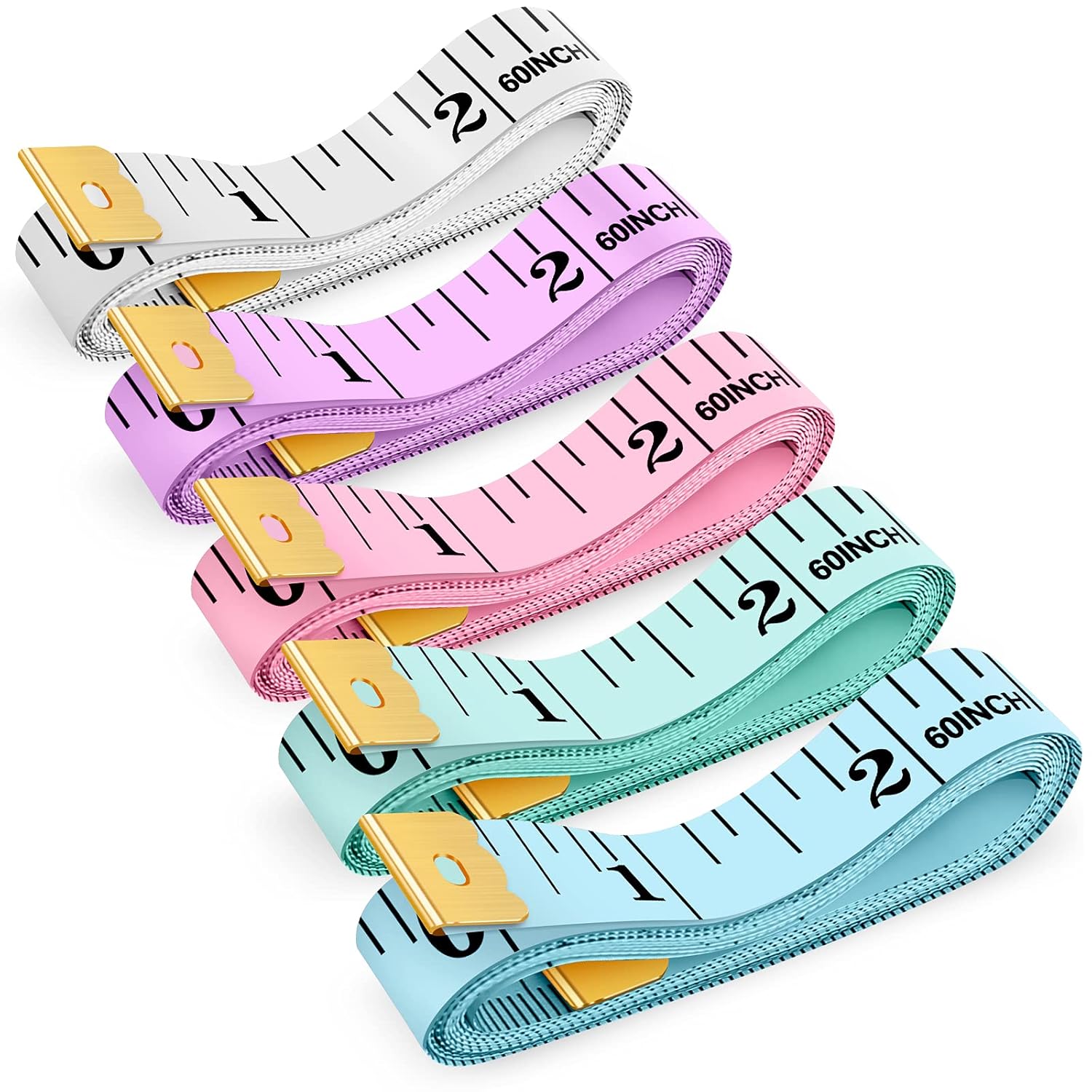
iBayam Tape Measure, Soft Ruler Measuring Tape Fabric Sewing Tailor Cloth
5 Pack Measuring Tape Double-sided, 60-inch / 150 cm, portable,durable tape measure. Small and light pocket-size measuring tape.
Check PriceConclusion
Learning how to read a sewing tape measure is a simple skill that makes a big difference in sewing success. Once you understand inches, centimeters, and how to start measuring correctly, everything becomes easier. With a little practice, reading a sewing tape measure will feel natural, and your sewing projects will turn out more accurate and better fitting every time.
