
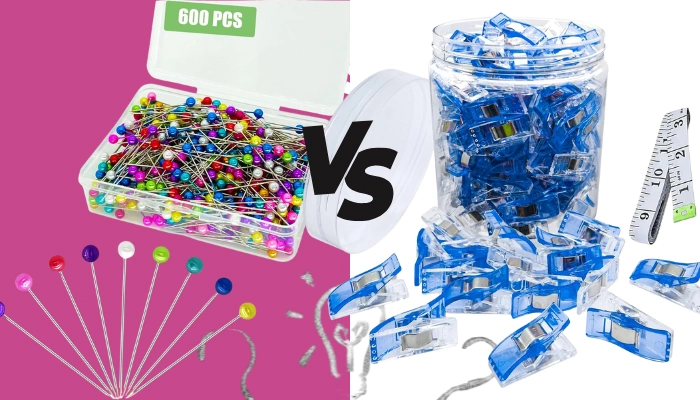
Sewing is an art that requires precision, patience, and the right tools. Among the most essential tools in any sewist’s kit are sewing clips and pins. These seemingly simple devices play a crucial role in keeping fabric layers aligned, securing hems, and ensuring neat, professional results.
While both serve the same fundamental purpose, holding fabric together temporarily, they do so in very different ways. Choosing the right tool can affect fabric safety, workflow efficiency, and the overall quality of your sewing project.
This article explores the differences, advantages, and limitations of sewing clips and pins, helping you decide which tool works best for different fabrics, project types, and sewing techniques.
Sewing Clips vs Pins
What Are Sewing Clips?
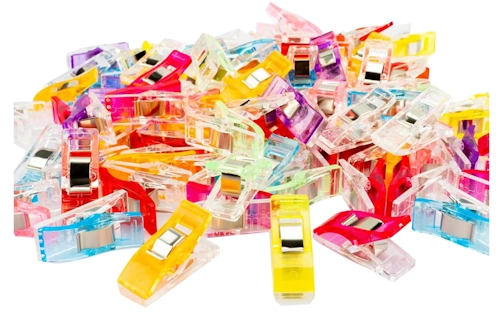
MumCraft Multipurpose Sewing Clips – 100 Pcs
The Multipurpose Sewing Clips set provides a practical and safe alternative to traditional pins, ideal for preventing fabric damage and avoiding needle pricks.
Check Price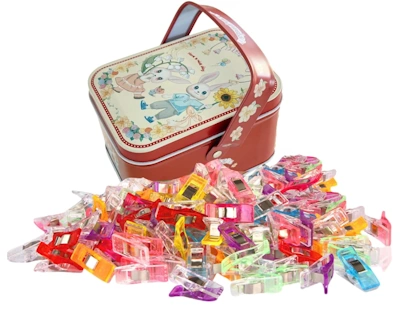
Soraco Sewing Clips with Tin Box – 100 Pcs
This Sewing Clips set includes 100 assorted-color clips, neatly packed in a reusable tin box for easy storage and organization of your sewing and quilting tools.
Check Price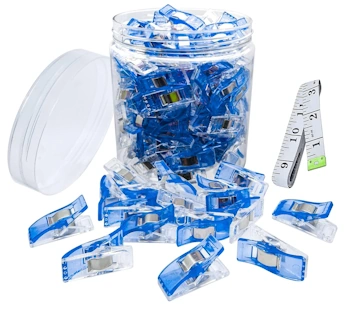
SensunDa 120 PCS Multipurpose Mini Clips
The 120-piece Multipurpose Sewing Clips set offers a vibrant and versatile solution for all your sewing, quilting, and crafting projects.
Check Price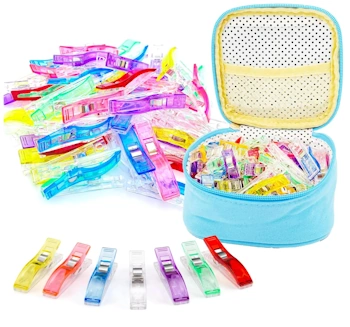
50 Pcs Doukey Large Sewing Clips
Jumbo-sized, vibrant clips that securely hold multiple layers of fabric, perfect for quilting, crafting, and general sewing projects.
Check Price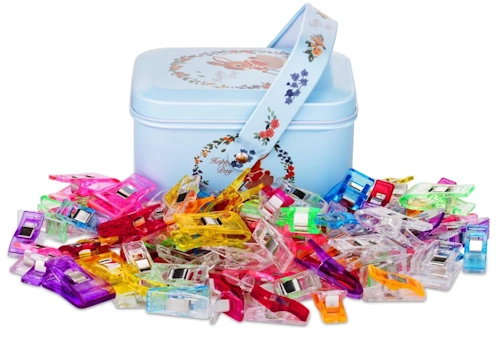
CampTek Sewing Fabric Clips – 100 Pcs
Includes 80 small and 20 medium clips, neatly stored in a reusable tin box for convenient organization.
Check Price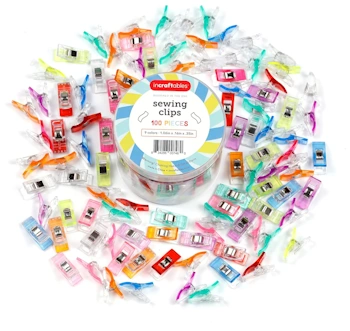
Incraftables Assorted Sewing Clips – 100 Pcs
High-quality sewing clips in 9 vibrant, color-coded shades, ideal for sewing, quilting, crafting, binding, and more.
Check PriceSewing clips are small clamps, usually made from durable plastic and equipped with a spring mechanism, designed to hold fabric layers together without piercing them. They have become increasingly popular in recent years because they offer a safer, faster, and more versatile alternative to pins.
Key Features of Sewing Clips:
- Non-piercing: Clips hold fabric without making holes, preventing damage to delicate or thick fabrics.
- Variety of sizes: Standard, mini, heavy-duty, and heat-resistant clips exist for different sewing needs.
- Ease of use: Simply squeeze and release, no need to push through multiple fabric layers.
Common Uses:
- Quilting and binding layers of fabric
- Hemming garments or home decor items
- Sewing leather, vinyl, or thick fabrics
- Craft projects like bag-making or applique
What Are Sewing Pins?
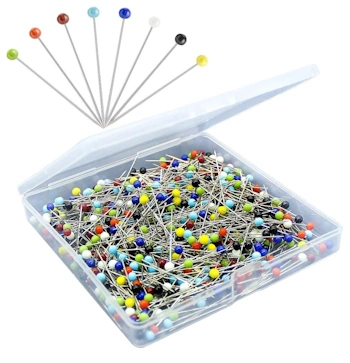
Sunenlyst 500PCS Sewing Pins for Fabric with Colored Ball Glass Heads
These straight pins are perfect for a variety of sewing projects. With bright, colorful ball glass heads, they are easy to see on any fabric, making them ideal for quilting, dressmaking, and DIY crafts.
Check Price
600PCS Pearlized Ball Head Quilting Pins Long 1.5inch
These vibrant pearlized pins are designed for seamless sewing. At 1.5 inches in length, they offer an easy grip and smooth finish, preventing snags while working on quilting, dressmaking, or crafting projects.
Check Price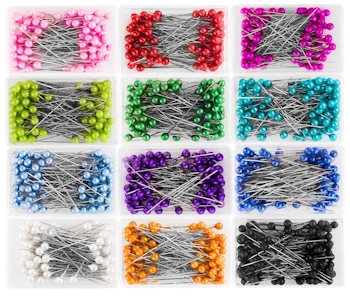
AIEX 1200 Pieces Sewing Pins with Multicolor Heads
If you’re looking for a large supply of pins, this set of 1200 pieces is a great option. With multicolored heads and a sturdy 1.57-inch length.
Check Price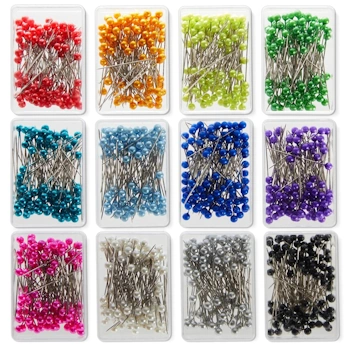
Juvale 1200 Pieces Colored Ball Head Sewing Pins
This bulk set of 1200 pins features colorful ball heads, making them not only functional but also fun to work with.
Check Price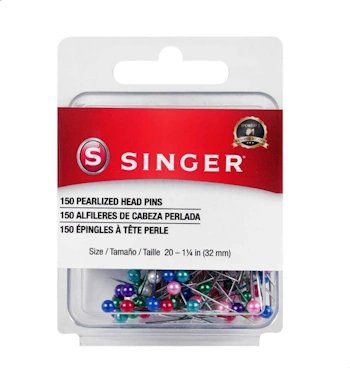
SINGER 07050 Pearlized Head Straight Pins
INGER’s pearlized head straight pins are perfect for both beginners and professionals. With 150 pins per pack and a length of 1.5 inches.
Check Price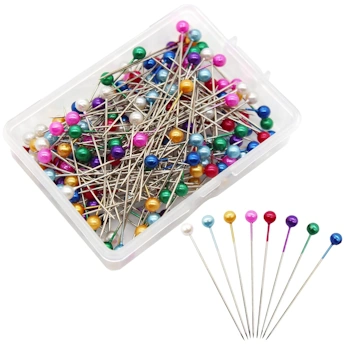
Benvo 250 Pcs Sewing Pins with Plastic Pearl Head
These 250 sewing pins come with colorful plastic pearl heads, making them a great choice for DIYers and craft enthusiasts.
Check PriceSewing pins are slender rods, often made of steel or glass, with a sharp tip on one end and a head on the other. They have been a staple of sewing for centuries and are especially useful for precision placement in fabric layers.
Key Features of Pins:
- Piercing design: Pins penetrate fabric to secure it temporarily.
- Variety: Straight pins, ball head pins, glass head pins, and safety pins cater to different sewing tasks.
- Precision: Excellent for small details, corners, and tight seams.
Common Uses:
- Garment construction
- Aligning fabric for intricate patterns
- Holding delicate fabrics where clips might leave marks
- Temporary placement for applique or decorative stitching
Key Differences Between Sewing Clips and Pins
| Feature | Sewing Clips | Sewing Pins |
|---|---|---|
| Fabric Safety | Non-piercing, prevents holes | Pierces fabric; can leave permanent holes |
| Ease of Use | Quick and easy, no sharp ends | Requires careful handling; risk of pricks |
| Precision | Slightly less precise for tiny seams | Excellent precision for detailed sewing |
| Layer Capacity | Handles thick and multiple layers well | Can struggle with multiple thick layers |
| Machine Use | Mainly for hand sewing or quilting | Can be used with sewing machines if positioned carefully |
| Durability | Reusable, long-lasting | Can bend, break, or rust over time |
Pros and Cons of Sewing Clips
Pros:
- Protect fabrics from puncture marks or holes
- Safer for fingers and hands
- Efficient for handling multiple layers at once
- Reusable, durable, and low-maintenance
- Color-coded options for easy organization
Cons:
- Bulkier than pins for narrow or tight seams
- May not provide the same precision for small, detailed sewing
- Some types may not hold very thin fabrics securely
Pros and Cons of Pins
Pros:
- Excellent precision for corners, pleats, and seams
- Perfect for delicate fabrics like silk or chiffon
- Versatile for almost all types of sewing projects
Cons:
- Can leave permanent holes in fabric
- Risk of pricking fingers or losing pins in fabric or carpet
- Not ideal for thick fabrics or multiple layers
When to Use Sewing Clips vs Pins
- Sewing clips are ideal for:
- Quilting thick layers
- Sewing leather, vinyl, or heavy fabrics
- Bag-making, binding, and craft projects where holes are undesirable
- Pins are ideal for:
- Garment sewing and fine detail work
- Delicate fabrics like silk, satin, or organza
- Aligning intricate patterns or pleats
Pro Tip: Many professional sewists use both clips for thicker sections and pins for precise areas or corners.
Tips for Using Clips and Pins Together
- Layer strategically: Use clips on bulkier seams and pins for corners or tight edges.
- Check alignment: Even when using clips, place a few pins for precise positioning.
- Remove before sewing: Always remove pins before running fabric through a machine to prevent damage.
- Use color-coded clips: Helps organize and manage multiple layers, especially in quilting.
- Protect delicate fabrics: Place clips or pins near seams or hems to minimize visible marks.
FAQs About Sewing Clips and Pins
What Are Sewing Clips and Pins Used For?
Sewing clips and pins are tools used to temporarily hold fabric layers together while sewing. Clips are typically made of plastic with a spring mechanism and do not pierce fabric, making them ideal for thick layers or delicate materials. Pins, on the other hand, are sharp and pierce through fabric to hold it in place, offering high precision for detailed work. Both tools help ensure accuracy and neat finishes in sewing, quilting, crafting, and garment construction.
Are Sewing Clips Better Than Pins?
It depends on your project:
- Sewing clips are better for thick fabrics, multiple layers, quilting, and materials that could be damaged by punctures (like vinyl, leather, or laminated fabrics). They are also safer for fingers and easier to handle during long sessions.
- Pins are better for precision tasks, delicate fabrics, corners, and pleats where clips may not fit or align accurately. Many sewists use both, combining the speed of clips with the accuracy of pins.
Can Sewing Clips Be Used on Delicate Fabrics?
Yes, but with care. Mini or standard sewing clips work well on delicate fabrics such as silk, chiffon, or lace. Avoid using jumbo or heavy-duty clips, which can leave imprints or stretch light materials. For extra safety, clip near seams or hems instead of directly on the visible fabric surface.
Do Clips and Pins Work With Sewing Machines?
- Pins: Can be used, but always remove them before the needle reaches them to prevent machine damage or bent needles.
- Sewing clips: Generally not recommended under the sewing machine presser foot because they are bulky. Clips are best for hand sewing, quilting, or positioning layers before stitching.
How Many Sewing Clips or Pins Do I Need for a Project?
- For small projects like garment hems, 10–15 clips or pins may suffice.
- For quilting or bag-making, 15–20 clips per seam or 20–30 pins per layered section are recommended.
- The number depends on fabric thickness, project size, and precision required. Extra clips or pins are always helpful for large or complex projects.
Can Clips Replace Pins Completely?
Not always. While clips can replace pins for many sewing tasks, especially thick fabrics, quilting, and binding, pins are still preferred for:
- Fine fabrics like silk or satin
- Corners, pleats, or small detailed work
- Attaching interfacing or lining in precise spots
Most sewists combine both tools, using clips for bulk areas and pins for detail.
Are Sewing Clips Safer Than Pins?
Yes. Clips reduce the risk of pricked fingers, lost pins on the floor, or accidental injuries. They also prevent fabric holes, making them safer for repeated use on delicate or expensive materials. Pins require careful handling and can pose a risk, especially when working quickly or with children around.
How Do I Choose the Right Clip or Pin?
- Fabric type: Use clips for thick or delicate fabrics; pins for precision on thin fabrics.
- Project size: Larger projects benefit from more clips for speed, while small projects may only need a few pins.
- Skill level: Beginners may prefer clips because they are easy to handle and safer. Experienced sewists may combine both for optimal control.
- Special features: Consider color-coded clips for organization or heat-resistant clips for projects involving ironing.
This FAQ section provides practical guidance for anyone deciding between sewing clips and pins, highlighting safety, efficiency, and fabric compatibility.
Conclusion:
Both sewing clips and pins are indispensable tools for sewing enthusiasts. Clips excel in safety, efficiency, and holding thick or multiple layers, while pins shine in precision, flexibility, and handling delicate fabrics. Choosing the right tool depends on the type of fabric, sewing project, and personal preference. By understanding their strengths and combining them when necessary, sewists can achieve cleaner seams, faster workflow, and professional-quality results.
For more tips on sewing tools, see our guide on the best sewing clips for quilting, or the Best Sewing Pins for Quilting

Hi, I’m Safura. What are you sewing today? If you have any questions or need help with anything related to sewing, please feel free to ask. I’m always here to assist you with sewing-related issues.