
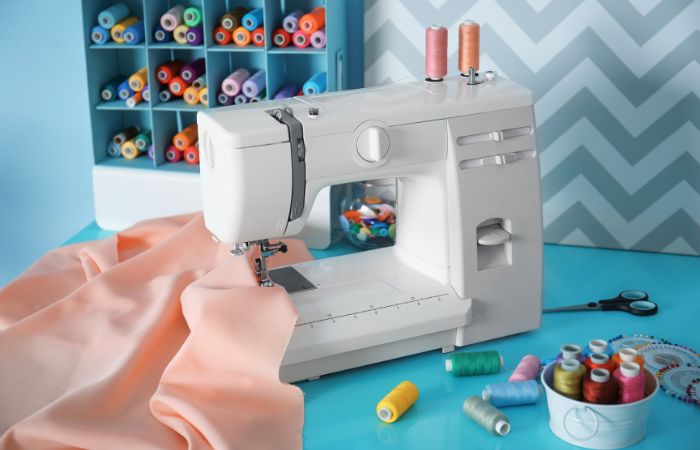
If you’re researching Singer sewing machine models and prices, you’re likely trying to answer several related questions at once. You want to know which Singer machine fits your sewing goals, how much different models cost, and which features justify the price you’ll pay. Singer has been a leading name in sewing for well over a century, and its range today reflects that legacy with machines for beginners, hobbyists, advanced sewists, and heavy‑duty use.
Whether you’re just getting started or looking to upgrade, knowing the latest Singer sewing machine models and prices in 2026 will help you make a smart purchase.
Throughout this article, you’ll find in‑depth explanations of model types, price ranges, real‑world use cases, common mistakes to avoid, and long‑term considerations that go beyond simple product lists.
How Singer Structures Its Sewing Machine Range
Singer’s lineup spans from simple mechanical home machines to advanced computerized and specialty models. Each tier serves a distinct user group:
At the most basic level, entry‑level and mechanical machines offer essential performance at accessible prices. Mid‑range models increase stitch options and convenience. Advanced or computerized machines provide automation and greater creative flexibility. At the top end, specialist and heavy‑duty machines handle tough fabrics, high output, or combined functions such as embroidery and quilting.
Understanding where your needs fall between everyday mending and sophisticated creative sewing helps narrow the options early in the buying process.
Entry‑Level Singer Machines: Affordable and Functional
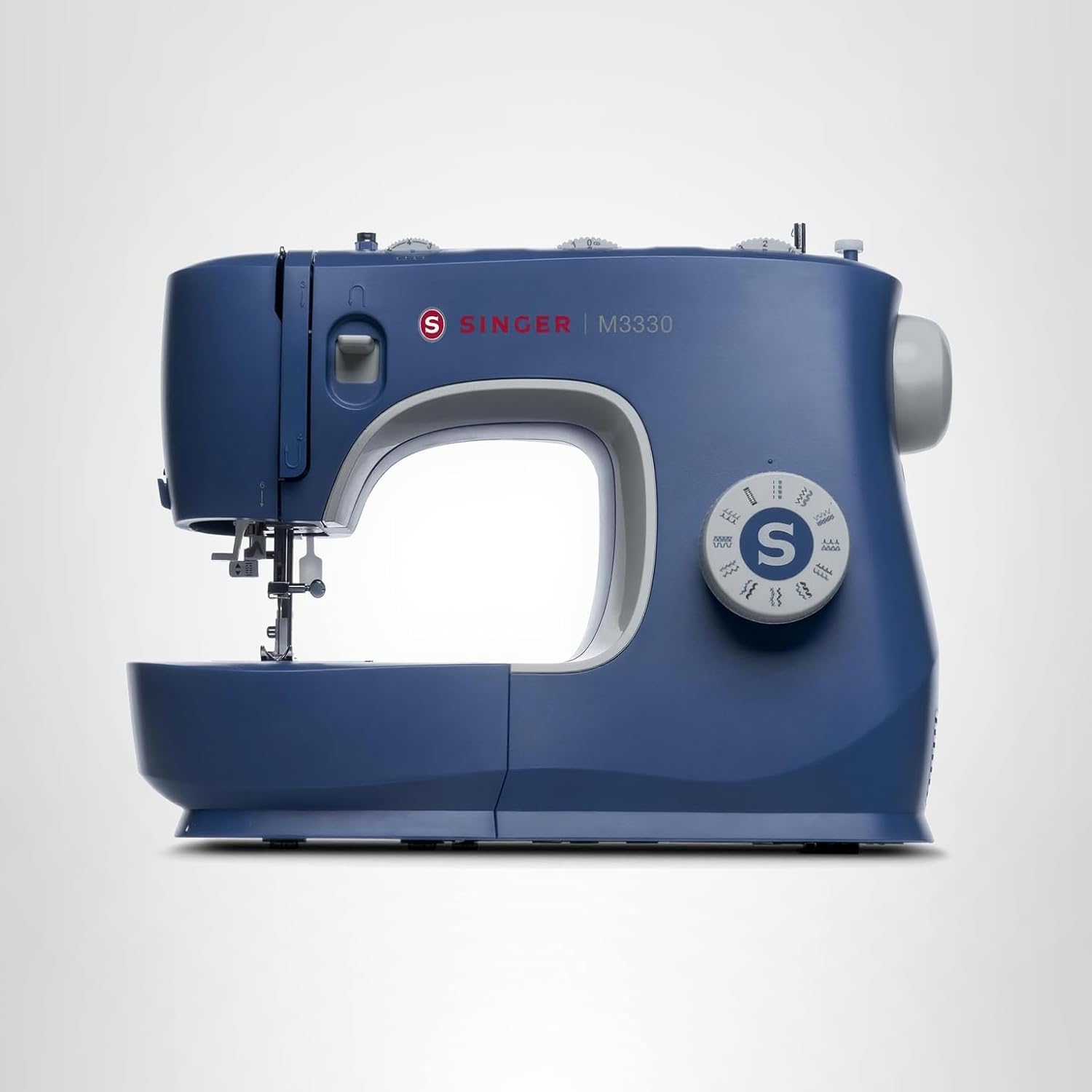
SINGER M3330 Navy Blue Sewing Machine with Accessory Kit
Get started immediately with over $75 worth of essential sewing accessories. This complete set includes a General Purpose Foot, Buttonhole Foot, Button Sewing Foot, Zipper Foot, Edge and Quilting Guide, Screwdriver, Seam Ripper and Lint Brush, a pack of needles, Class 15 Transparent Bobbins, Thread Spool Cap, Oil Bottle, and Darning Plate. With everything included, you’ll have all the tools you need to tackle a wide range of sewing projects right away.
Check PriceWhat Defines Entry‑Level Models
Entry‑level Singer sewing machines are designed for beginners and casual use. These machines usually offer essential stitch functions, straightforward mechanical controls, and compact design. They are perfect for basic sewing tasks like hemming, repairing seams, and working on lightweight fabrics.
Typical Models and Price Range
Models in this category often retail between roughly $100 to $200. These include mechanical machines with basic stitch sets and adjustable speed or stitch length. While not feature‑rich, they provide reliable performance for simple tasks without a steep learning curve.
These machines make sense for those who:
- Are new to sewing
- Sew sporadically for household repairs
- Need a simple backup machine
- Prefer manual controls to digital interfaces
Mid‑Range Machines: Versatile and More Features
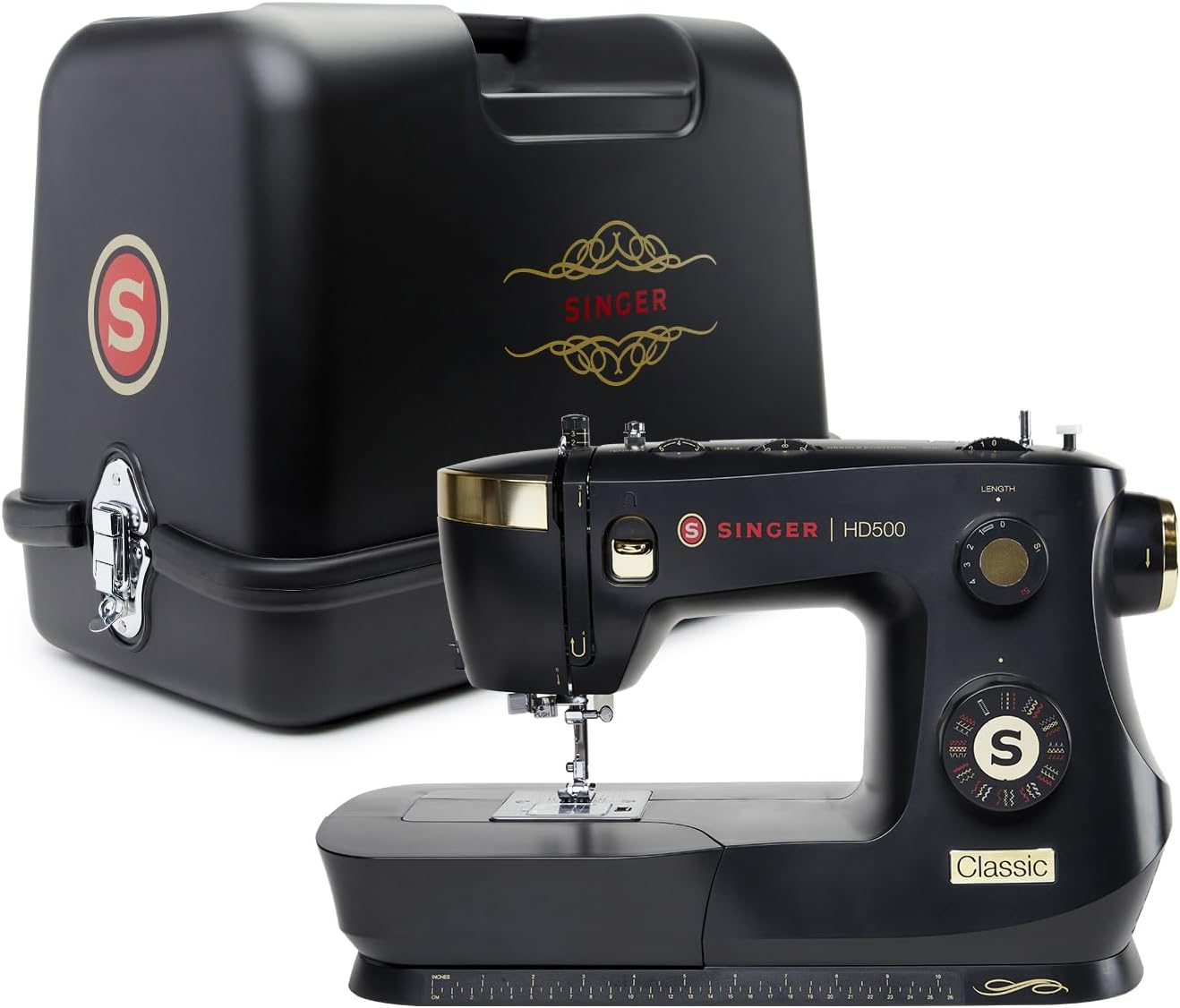
SINGER Special Edition Super Bundle | Vintage-Inspired Heavy Duty 500 Classic
Super Bundle with Timeless Design: The HD500 Classic bundle includes the sewing machine and a matching hard case. Its vintage-inspired black design with gold accents combines style, durability, and high-performance sewing, offering exceptional value for every project.
Check PriceFeatures That Matter
The mid‑range segment usually includes more stitch options, adjustable stitch width and length, and sometimes automatic needle threading. These machines are well‑suited to hobbyists and growing families who stitch regularly and want flexibility without overspending.
In this tier, prices are generally in the $200 to $350 range, though exact figures vary by retailer and current promotions.
When Mid‑Range Models Are Worth It
If you’re planning to sew a broader variety of projects, such as garments, home decor, or quilting, mid‑range machines strike a balance between ease of use and capability. They tend to perform better on a wider range of fabrics and handle more complex stitch patterns than basic models.
Advanced and Computerized Singer Models
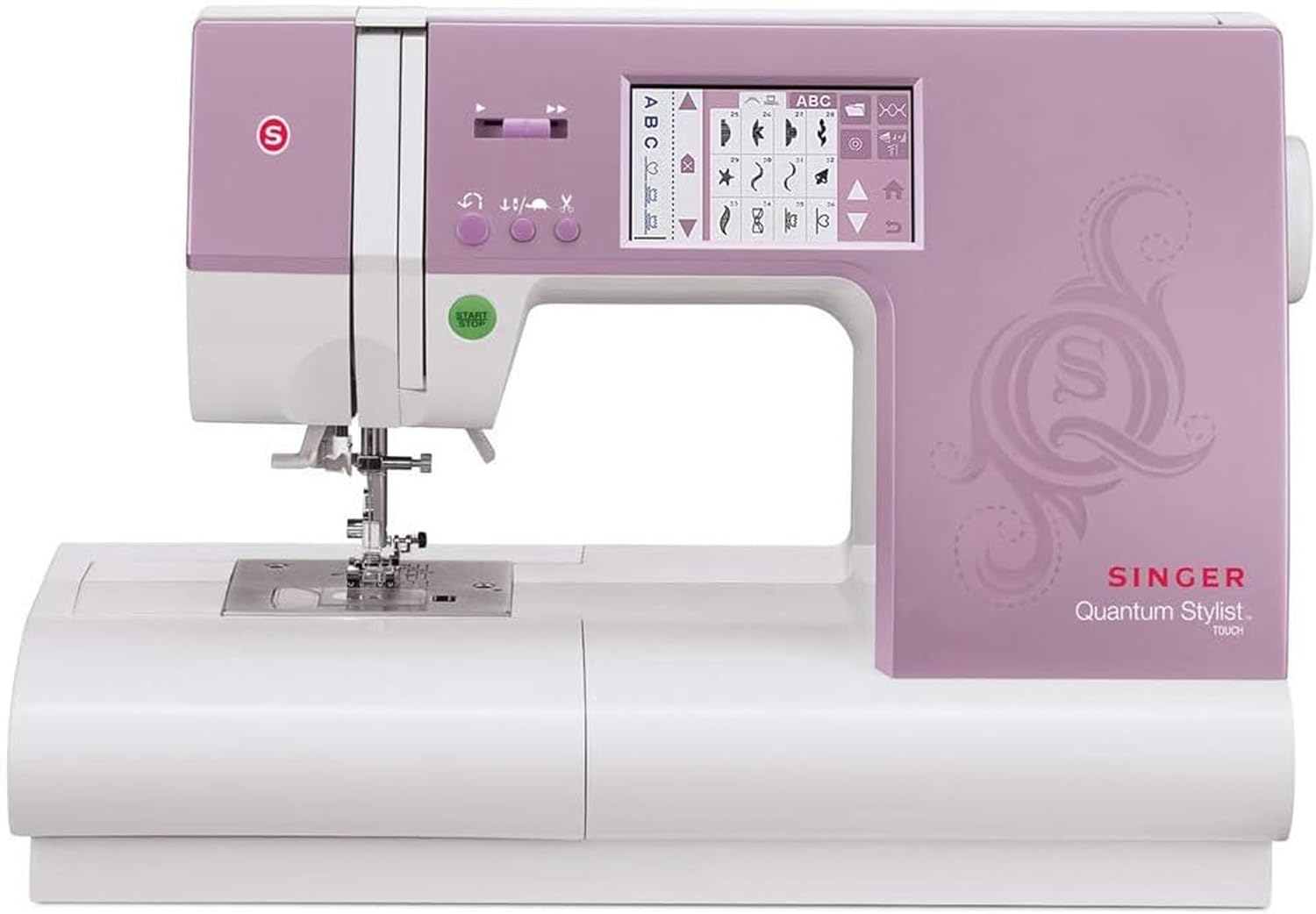
SINGER Quantum Stylist 9985 Computerized Sewing & Quilting Machine with Accessory Kit
Endless Stitching Options: Unlock over 1,000 stitch patterns, including basic, stretch, and decorative designs. Easily customize and save your favorite stitch sequences with 60 memory slots for quick access. Ideal for fashion, home decor, and quilting projects, this machine gives you the freedom to bring your creative ideas to life with ease.
Check PriceGreater Creative Control
Singer’s advanced machines include digital controls, larger stitch libraries, and programmable features suited to experienced sewers. These models may offer hundreds of built‑in stitches, automatic tension adjustment, and interface screens that make selecting and customizing stitches easier.
Prices for advanced Singer machines typically start around $350 and can exceed $650, especially for models combining sewing and embroidery functions.
Use Cases for Advanced Models
Advanced models work well for:
- Detailed garment construction
- Decorative stitching and embroidery
- Quilting with precision
- Frequent sewists who value automation
Heavy‑Duty and Specialized Machines
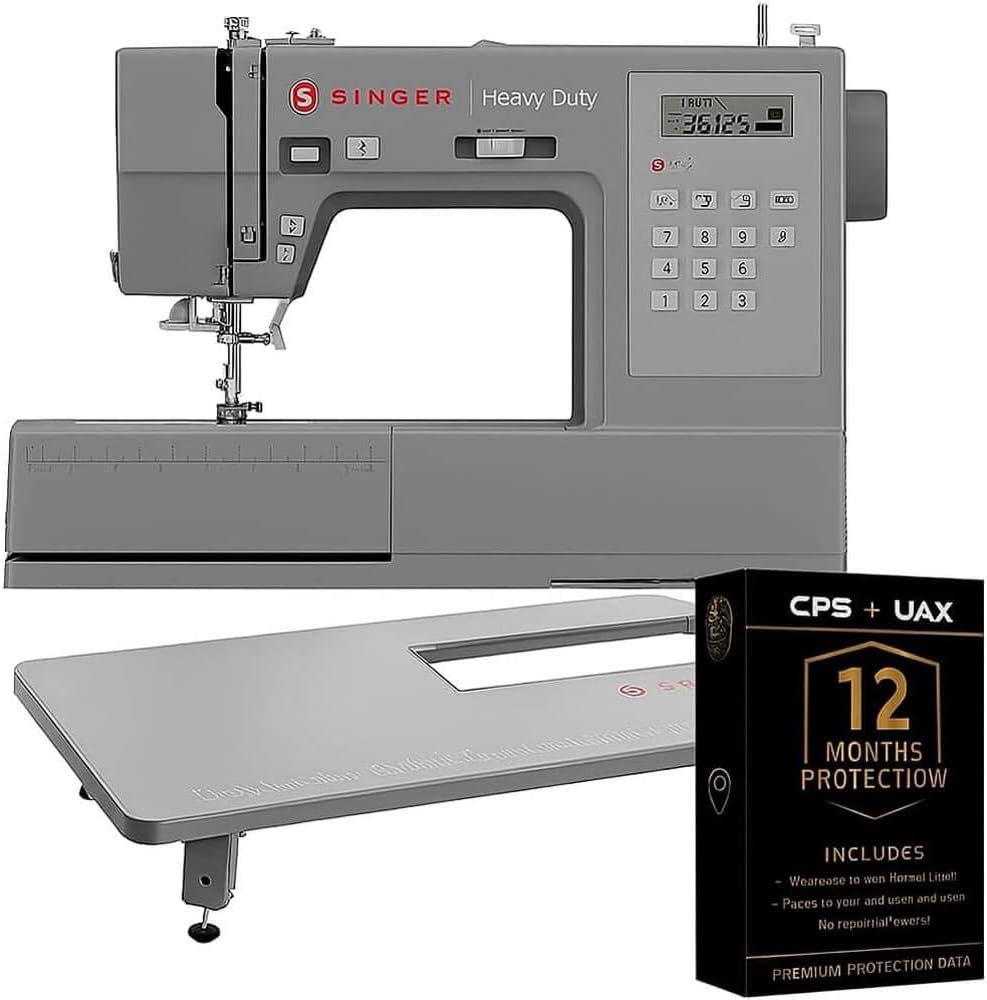
SINGER Heavy Duty 6700C Sewing Machine with Extension Table
Heavy-Duty Performance: Designed to handle thick fabrics effortlessly, this machine features a powerful motor and enhanced needle piercing capability for professional-quality results. LCD Screen and 411 Stitch Options: Easily adjust stitch settings using the intuitive LCD display and choose from 411 built-in stitches, including decorative, stretch, and utility patterns for versatile sewing projects.
Check PriceSinger’s heavy‑duty lineup is designed for intensive use and tougher fabrics. Springs and motors in these machines tend to be beefier to handle denim, canvas, leather, and multiple fabric layers. Price ranges vary but often fall between $230 and $400 for robust heavy‑duty home models.
Specialized machines, such as sergers and overlockers, focus on finishing edges and seams. These may be priced from roughly $200 up to $500, depending on thread functions and automation.
Latest Singer Sewing Machine Models and Prices (US 2026)
Singer offers a wide variety of machines designed for different sewing needs. Below is a table of some of the top-selling Singer sewing machines in 2026, their best use cases, and approximate price ranges in the US.
| Model Name | Best For | Approx. Price (USD) |
|---|---|---|
| Singer HD500 Classic | Beginners, home sewing | $360 – $380 |
| Singer C7290Q | Quilting, advanced projects | $380 |
| Singer Heavy Duty 4411 | Heavy fabrics, basic heavy-duty use | $230 – $250 |
| Singer Heavy Duty 4423 | Heavy fabrics, fast sewing speed | $230 – $260 |
| Singer Heavy Duty 4432 | Premium heavy-duty performance | $270 – $300 |
| SINGER M1500 Lightweight | Beginners, simple projects | $170 – $190 |
Note: Prices can vary depending on the retailer and current sales promotions.
Best Singer Sewing Machines Prices by Category
Choosing the right sewing machine depends on what you plan to make. Below are our top recommendations based on skill level and project type.
Best Singer Machines for Beginners
If you’re new to sewing, you need a machine that’s easy to use, reliable, and budget-friendly. These Singer machines are perfect for basic projects like hemming, mending, and crafts:
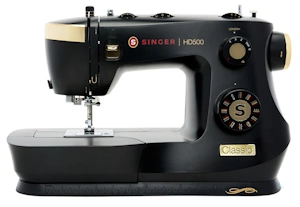
- Singer HD500 Classic – Great beginner-friendly machine with a nostalgic design and built-in storage.
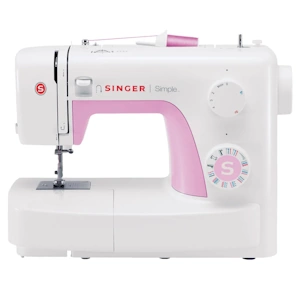
- Singer Simple 3223 – Perfect for first-time users, lightweight and portable.
- Singer Simple 3232 – Offers 32 stitch patterns for more versatility as you improve your skills.
For a detailed beginner’s guide, check out our article on how to choose your first sewing machine.
Best Heavy-Duty Singer Machines
If you regularly work with thick fabrics like denim, canvas, or leather, you’ll need a machine built for strength and speed.
These models feature powerful motors and metal frames for durability:
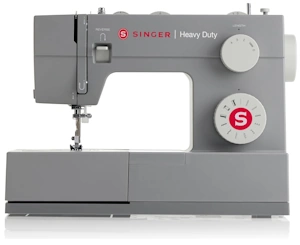
- Singer Heavy Duty 4411 – Affordable heavy-duty option for simple tasks.
- Singer Heavy Duty 4423 – A popular choice with 23 built-in stitches and a strong motor.
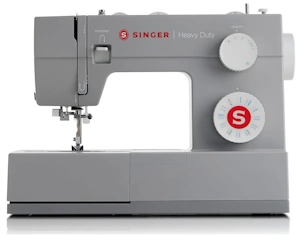
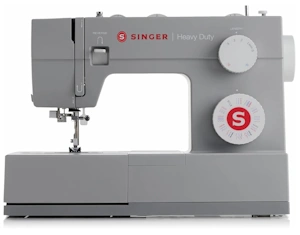
- Singer Heavy Duty 4432 – Premium model for serious sewists, offering speed and extra durability.
When working with heavy fabrics like denim or leather, you need not only a powerful machine but also strong, durable thread. Learn which threads are best for these projects in our sewing machine thread guide.
Best Singer Machine for Quilting and Advanced Sewing
If you enjoy quilting or working on creative, detailed projects, you need a machine with extra stitch options and advanced features:
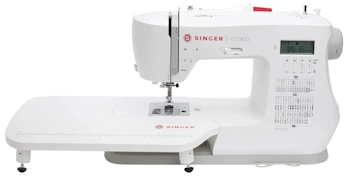
- Singer C7290Q – A top-of-the-line quilting and sewing machine with 200 stitches, LCD screen, and a large extension table.
Singer Heavy Duty Series – Quick Comparison
The Heavy Duty series is one of Singer’s most popular lines. Here’s a side-by-side comparison to help you choose:
| Model | Stitches | Speed (SPM) | Price Range |
|---|---|---|---|
| Singer 4411 | 11 | 1,100 | $230 – $250 |
| Singer 4423 | 23 | 1,100 | $230 – $260 |
| Singer 4432 | 32 | 1,100 | $270 – $300 |
SPM = Stitches Per Minute
How to Choose the Right Singer Sewing Machine
When selecting a sewing machine, keep these factors in mind:
- Skill Level: Beginners should start with a basic, easy-to-use model like the Singer Simple 3223.
- Project Type: For heavy fabrics, choose a heavy-duty machine. For quilting, go for a model with more stitches and attachments.
- Budget: Decide how much you’re willing to invest and compare features within that range.
- Portability: If you need to move your machine often, opt for a lightweight model.
For a deeper dive, read our guide on best sewing machines for beginners.
Tips for Getting the Best Price
- Compare prices across multiple retailers.
- Watch for holiday sales and clearance events.
- Look for bundles that include accessories like needles, bobbins, and presser feet.
- Check for manufacturer rebates or coupons.
Where to Buy Singer Sewing Machines Online
When buying a Singer sewing machine, it’s important to purchase from trusted retailers to ensure you get a genuine product with proper warranty coverage.
Here are some reliable places to shop:
- Singer Official Website – www.singer.com
- Amazon – Large selection with customer reviews.
- Walmart – Affordable pricing and local store pickup options.
- Joann Fabrics – Often has bundle deals and coupons.
- Michaels – Great for sewing supplies and occasional discounts.
Everyday Practical Use: What To Expect
Sewing Clothing
For garment sewing, select models with:
- Adjustable stitch width and length
- Multiple built‑in stitches
- Buttonhole functions
Basic and mid‑range Singer machines handle most clothing tasks well, but more advanced models reduce manual tension adjustments and speed variation work.
Light Home Decor and Crafts
If you plan to sew lightweight home decor or craft projects, versatility matters more than sheer power. Mid‑range and advanced models will offer design flexibility and stitching options that unlock creative projects.
Heavy Fabrics and Frequent Projects
Heavy‑duty machines with strong motors and reinforced frames reduce skipped stitches and strain when working with tougher materials or regular sewing schedules.
Common Mistakes Buyers Make
Focusing Only on Price
It’s easy to assume the lowest‑priced model is the best value, but entry‑level Singer machines often lack features that become apparent as skills grow. Instead, match the machine’s capabilities to your projected sewing tasks.
Ignoring Long‑Term Costs
Accessories, maintenance tools, and occasional servicing add to the long‑term cost of ownership. Mid‑range and advanced models often come with better support and easier access to parts and accessories.
Overlooking Features That Matter
Automatic needle threaders, presser feet options, adjustable tension, and stitch libraries contribute greatly to ease of use and flexibility. Always consider these practical features rather than just price or stitch count.
How to Evaluate Price vs Value
Price tags are only part of the value equation. A machine that performs consistently with smoother operation, a reliable bobbin system, and clear user controls often offers better long‑term value than a cheaper model with frustrating quirks.
Think about how often you plan to sew, what fabrics you typically use, and whether you prefer mechanical simplicity or digital automation. This will help you prioritize features over label price.
Real‑World Scenarios
Imagine you need to sew drapes for your living room. A machine with extensive stitch patterns and adjustable settings makes it easier to handle different fabrics and finishes. For quick clothing repairs like hems and seams, a basic or mid‑range model is usually sufficient.
If you want to sew garments regularly or experiment with decorative stitching, a model with computerized options and automatic features enhances your control and reduces manual adjustments.
How Prices Vary by Region and Retailer
Singer machines are sold through many channels, online marketplaces, sewing stores, and big‑box retailers. Prices fluctuate with promotions, currency differences, and bundled accessories. Always check current retailer listings and return policies before purchase.
Frequently Asked Questions (FAQ)
What is the price range for Singer sewing machines?
Singer machines vary widely, typically from entry models around $100 to advanced machines over $500.
Which Singer model is best for beginners?
Beginner‑friendly models tend to be entry‑level mechanical machines with simple controls and basic stitches.
Do Singer machines include accessories?
Most include basic accessories like presser feet and bobbins, but accessory packages vary by model.
Are advanced Singer machines worth the price?
For frequent or complex sewing tasks, advanced features can save time and improve results.
Can Singer machines handle heavy fabrics?
Heavy‑duty models are designed for tougher materials, but entry‑level machines may struggle with multiple layers.
How often do sewing machine prices change?
Prices change with retailer promotions and seasonal sales, so checking frequently can uncover deals.
Are computerized Singer machines better?
Computerized models offer ease of use and automation, but mechanical models can be more reliable for basic tasks.
What extras should I budget for?
Consider accessories, maintenance tools, and optional feet that support your specific projects.
How do I choose the right Singer machine?
Match your sewing goals, basic repairs, creative sewing, or heavy fabrics, to model features and price range.
Conclusion
Singer’s broad range of sewing machines reflects decades of refinement to meet the needs of different sewists. From entry-level models that make simple tasks achievable to advanced machines that support creativity and precision, there’s a Singer for many budgets and skill levels in 2026.
By understanding model categories, realistic price ranges, and how features match real-world sewing scenarios, you can choose a machine that supports your goals without regret. A sound evaluation of your use cases and long-term expectations will guide you to the best Singer sewing machine model for your needs this year.

Hi, I’m Safura. What are you sewing today? If you have any questions or need help with anything related to sewing, please feel free to ask. I’m always here to assist you with sewing-related issues.