
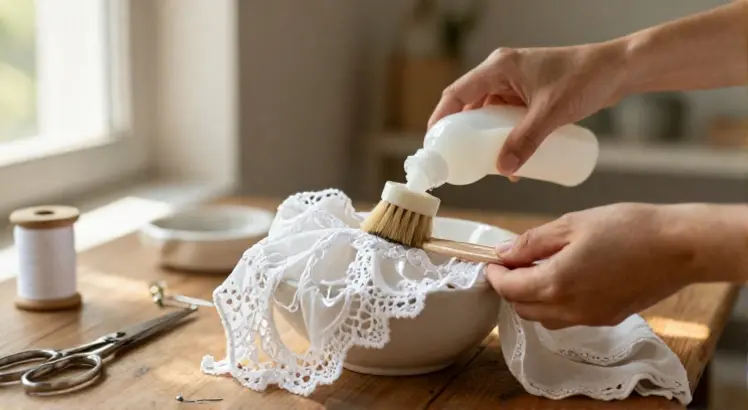
Fabric stiffener gives ordinary textiles remarkable structure, turning limp materials into sculpted bows, sturdy home decor, or crisp fashion accents. Whether you are crafting delicate lace ornaments or shaping a three dimensional art piece, the right stiffening technique elevates your project. This guide will walk you through every essential step, from selecting the perfect product to mastering application and drying.
You will explore liquid, spray, and homemade options, each suited to different fabric weights and creative goals. Precise preparation and mindful application prevent common mishaps like yellowing or uneven texture. By the end, you can confidently transform any fabric into a durable, beautifully shaped creation.
Understanding Fabric Stiffener and Its Versatile Uses
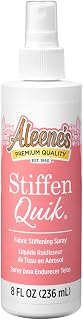
Aleene’s Stiffen-Quik Fabric Stiffener Spray
Check PriceFabric stiffener is a specialized solution that binds fibers together to create rigid, semi permanent shapes. It works by saturating the cloth with a liquid polymer or starch blend that hardens as it dries. You can achieve effects ranging from a gentle crispness for quilting to a rock solid finish for sculptural crafts. This versatility makes it indispensable for millinery, doll making, and ornamental sewing.
Many hobbyists first encounter stiffener while crafting lace snowflakes or ribbon roses. However, professionals also rely on it to stabilize intricate embroidery and create custom window treatments. Once you master the basics, you will find endless applications in mixed media art and home decor. The key lies in matching the product to your desired level of stiffness.
Types of Fabric Stiffeners Available Today
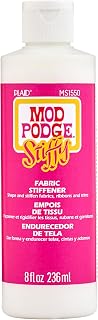
Plaid Stiffy Fabric Stiffener (8-Ounce)
Check PriceThe market offers three primary categories: liquid stiffeners, aerosol sprays, and DIY kitchen starches. Liquid formulas, like Aleene’s or Plaid Stiffy, are highly concentrated and penetrate deeply for maximum firmness. They are perfect for heavy shaping projects where fabric must hold complex curves. Spray versions provide a lighter hold and are ideal for delicate fabrics that cannot withstand saturation.
Homemade options using cornstarch or sugar water still have a place in traditional crafting. They are inexpensive and safe, but may attract pests or yellow over time. Commercial products, on the other hand, often include UV inhibitors and anti yellowing agents. For archival quality work, always choose a modern, acid free formula from a reputable brand.
How to Choose the Right Fabric Stiffener for Your Project
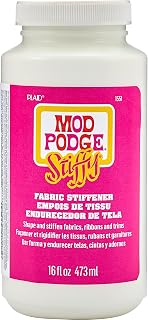
Mod Podge Plaid Stiffy Fabric Stiffener (16-Ounce)
Check PriceSelection depends on fabric type, desired flexibility, and final use. For heavy canvas or denim, a high potency liquid will provide the structural integrity needed for baskets or handbags. Lighter cottons and synthetics respond well to spray stiffeners that distribute evenly without pooling. Always test a small swatch to see how the material reacts before committing to the entire piece.
Consider the project’s exposure to humidity. Some water based stiffeners can soften in moist conditions, so a permanent acrylic formula might be better for outdoor decorations. If you need a reversible effect, spray starch offers a temporary solution that washes out completely. Review our comprehensive fabric stiffener product comparisons to match the formula to your specific task.
Preparing Your Workspace and Fabric
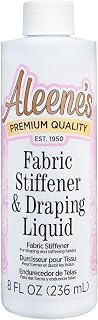
Aleene’s Fabric Stiffener and Draping Liquid
Check PriceA clean, protected surface is essential because stiffener can become tacky and difficult to remove. Cover your table with plastic sheeting, wax paper, or a dedicated crafting mat. Gather all tools in advance: foam brushes, mixing containers, a shaping mold or form, and protective gloves. Adequate ventilation is also important, especially when working with solvent based sprays.
Always prewash your fabric to remove any sizing or finishes that might block absorption. After washing, press the material smooth to eliminate wrinkles that could become locked in place. If you are shaping a three dimensional object, have your mold or armature ready. Draping the saturated fabric over a bowl, balloon, or wire frame must be done quickly before the stiffener starts to set.
Step-by-Step Guide to Applying Liquid Fabric Stiffener
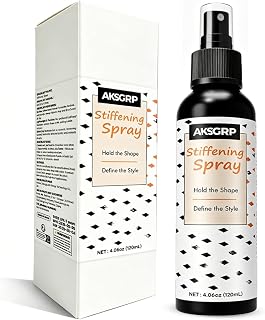
Fabric Stiffening Spray, Quick Drying Clear Spray
Check PricePour the liquid stiffener into a shallow, wide tray to make dipping even and effortless. Submerge the fabric completely, ensuring every fiber gets saturated. Gently squeeze out excess solution without wringing, which can distort the weave. Lay the wet material over your prepared mold and use your fingers to smooth out any air bubbles and creases.
Work patiently as the fabric becomes heavy and delicate. For flat projects, pin the edges to a blocking board to maintain shape during drying. Allow the piece to air dry undisturbed for 24 hours, or use a fan to accelerate the process. Once fully hard, carefully remove it from the mold and trim any rough edges with sharp scissors.
Using Spray Fabric Stiffener for Quick Projects
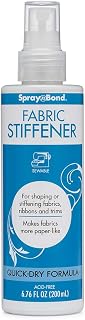
SpraynBond Fabric Stiffener, 6.8 OZ (200mL)
Check PriceSpray stiffeners are wonderfully convenient for lightweight fabrics and last minute touch ups. Hold the can about eight inches from the surface and apply in light, even coats. Multiple thin layers give you better control than one heavy saturation that can cause blotches. Allow each coat to dry for a few minutes before adding more, building the stiffness gradually.
This method excels when pressing flat items like doilies or appliques. After spraying, cover the fabric with a pressing cloth and iron on a low setting to set the stiffener and smooth the surface. The heat activates the bonding agents and gives a crisp, professional finish. Never use steam during this process, as moisture reactivates the product and can reverse your work.
Drying and Setting Techniques for Long-Lasting Results
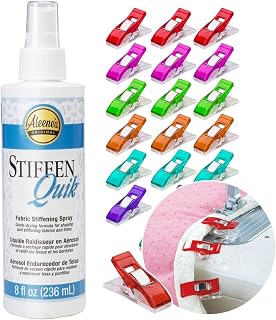
Aleenes Stiffen Quik Fabric Spray with Sewing Clips
Check PriceProper drying is the secret to permanent shape retention. Air drying is the safest method and will not yellow or scorch fibers. Position the project in a well ventilated area, away from direct sunlight which can fade colors. If you need to speed things up, use a cool fan but avoid hot hair dryers that can create a crusty outer shell while leaving the interior damp.
For pieces that require a very hard, ceramic like surface, consider baking them at a low temperature after air drying. Check the manufacturer’s instructions, as some formulas are heat curable. This technique works wonderfully for fabric bowls and jewelry. Once cooled, the item will be rugged and moisture resistant, expanding your creative possibilities significantly.
Creative Projects That Shine with Fabric Stiffener
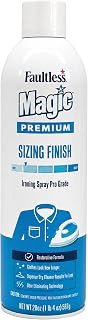
Faultless Starch 00502 Magic Sizing Fabric Finish
Check PriceStiffened fabric opens the door to countless imaginative crafts. You can create delicate lace bowls that serve as elegant centerpieces or catchalls. Ribbon stiffened into sculptural loops makes gorgeous hair bows and gift toppers that last for years. Even simple cotton cutouts can become durable ornaments, bookmarks, or mixed media collage elements with a couple of coats.
Window valances and lamp shades also benefit from fabric stiffener. The material stands away from the window or frame, creating a tailored, high end look without heavy hardware. When using sheer fabrics, the stiffener adds body while still allowing light to filter through beautifully. Combine it with fabric stabilizer techniques for embroidery to create freestanding lace motifs.
Tips to Avoid Common Mistakes When Stiffening Fabric
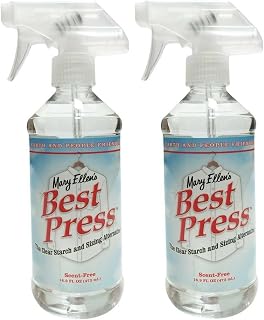
Mary Ellen’s Best Press – 2 Pack – Clear Starch Alternative
Check PriceOver saturation is a frequent error that leads to white residue and cracking. Apply thin layers and let each one dry fully to build strength without surface damage. Rushing the drying stage causes uneven hardness and distorted shapes. Always give the piece ample time, especially in humid weather when the process naturally slows down.
Ignoring fabric grain can also ruin your effort. Stiffener locks in the current orientation, so any twist or bias stretch becomes permanent. Pin or block the fabric symmetrically before it begins to set. Additionally, never use stiffener on heirloom textiles without testing, as some chemicals can react with old dyes and fibers. A tiny swatch test saves immense heartbreak.
How to Reverse or Soften Stiffened Fabric
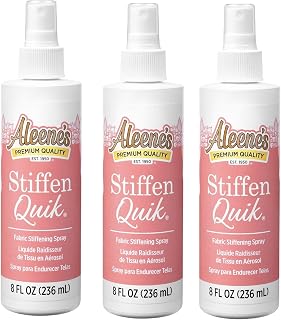
Bulk Buy: Duncan Crafts Aleene’s Stiffen Quik 3-Pack
Check PriceSometimes you need to undo the stiffening process for re crafting or repurposing fabric. Water soluble starches and natural homemade solutions can be removed with a gentle soak in warm, soapy water. Agitate softly and change the water until it runs clear, then rinse and lay flat to dry. The original softness should return almost completely.
Permanent acrylic stiffeners are far more challenging to remove. Soaking in isopropyl alcohol or a specialized fabric adhesive remover can break down the bond, but always test first. In many cases, the fabric will retain a moderate amount of stiffness even after treatment. For this reason, reserve permanent solutions for pieces you intend to keep in a fixed form indefinitely.
Advanced Techniques for Sculpting and Molding Fabric
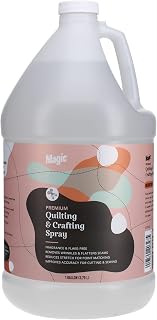
Magic Premium Quilting & Crafting Spray
Check PriceOnce comfortable with basic flat applications, try draping saturated fabric over a wire armature to create dynamic, flowing forms. This method is popular for costume wings, abstract sculptures, and theatrical props. The weight of the wet material will pull on the structure, so secure the base firmly and work in sections. Layering different fabrics produces incredible textural depth.
For truly seamless objects, you can stiffen a fabric shell sewn to exact dimensions before stuffing lightly during drying. This technique works wonders for fabric eggs, hearts, and decorative fruit. The trick is to use a highly concentrated stiffener and rotate the shape several times while drying to prevent flat spots. The finished shell will be lightweight yet astonishingly rigid.
Frequently Asked Questions About Fabric Stiffener
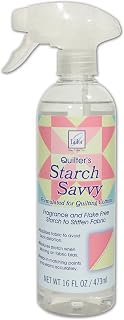
June Tailor Savvy Starch
Check PriceWhat is the difference between fabric stiffener and fabric starch?
Starch provides a light, temporary crispness that washes out with water, making it perfect for ironing shirts or quilting pieces. Fabric stiffener is a stronger, often permanent solution that bonds fibers together for sculptural rigidity. While starch can only handle heat and minimal moisture, commercial stiffeners create durable, long lasting forms that resist humidity.
Can I make fabric stiffener at home?
You can create a simple stiffener by mixing one part cornstarch with two parts cold water, then adding boiling water until the mixture thickens. Another traditional recipe uses sugar dissolved in hot water for a very hard finish. These homemade solutions are non toxic and cost effective, but they may attract insects and yellow over time if not sealed properly.
Will fabric stiffener wash out of clothes?
Water based and starch based stiffeners will wash out with regular laundering, returning the garment to its original drape. Permanent acrylic stiffeners resist water and require solvents for removal, often leaving some residual stiffness. Always check the product label and test on an inconspicuous area before applying to any clothing you intend to wash frequently.
How long does fabric stiffener take to dry?
Drying time varies from 30 minutes for light spray coats to 24 hours for deeply saturated liquid applications. Humidity, temperature, and fabric thickness all influence the process. Using a fan can reduce the wait, but avoid high heat which may cause surface cracking. Patience during this stage ensures a uniformly hard and flawless final texture.
Is fabric stiffener safe for all types of fabric?
Most natural fibers like cotton, linen, and silk respond beautifully to stiffeners. Delicate synthetics, leather, and heavily finished fabrics may discolor or become brittle. Always test on a swatch first, especially with vintage or hand dyed materials. Acid free products are recommended for archival projects to prevent long term degradation or yellowing.
Can I use fabric stiffener on a sewing machine?
Stiffener should never go inside your sewing machine. Instead, treat the fabric before assembly, letting it dry completely first. Sewing through stiffened pieces is possible with a heavy duty needle and slow speed, but the rigid texture can strain home machines. For detailed sewing project guidance, visit Treasurie tutorial on fabric stiffener for complementary tips.
Why does my stiffened fabric look cloudy or chalky?
Cloudiness typically results from using too much product at once or drying in high humidity. The residue is the polymer rising to the surface. To fix it, lightly mist the piece with clean water and gently blot, or apply a thin topcoat diluted with a little water. Next time, build thin layers and ensure good airflow during drying.
Conclusion
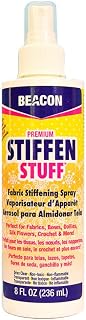
Beacon Stiffen Stuff Premium Fabric Stiffening Spray
Check PriceMastering fabric stiffener transforms your sewing and crafting projects from flat and flimsy to bold and structured. By understanding the differences between liquid, spray, and homemade options, you gain full control over the final outcome. Preparation, careful application, and patient drying are the pillars of success that prevent common beginner frustrations. Every project, from delicate lace bowls to durable costume pieces, benefits from this technique.
Start with small swatches and simple shapes to build your confidence before moving on to large scale creations. Use the right product for your fiber type and desired permanence, and always keep your workspace protected and ventilated. With the detailed steps and troubleshooting advice shared here, you are well equipped to achieve crisp, beautiful results every time. Enjoy the new dimension of creativity that stiffened fabric brings to your hands.

Disclosure: As an Amazon Associate, we earn from qualifying purchases at no extra cost to you. Our posts are created with AI tools and human editing.