
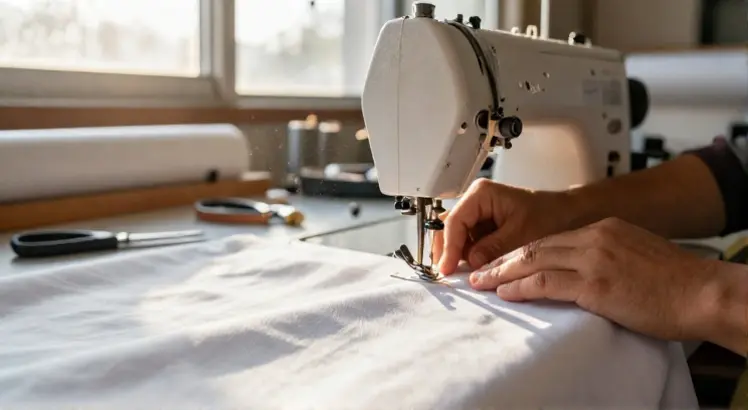
Sewing marine vinyl is a skill that transforms durable material into stunning boat upholstery and outdoor gear. The material is thick, tough, and unforgiving, which means standard home techniques often fail. You must approach it with industrial precision to avoid skipped stitches or tearing.
Success relies on a powerful machine, specific needles, and robust thread. Heat and humidity ruin this fabric quickly, so storage matters. Let’s explore the professional process to ensure your seams last for years under extreme marine conditions.
Understanding Marine Vinyl and Its Challenges
Marine vinyl is fundamentally different from craft vinyl because of its thick backing and UV resistant topcoat. The dense composite layer is designed to block moisture and resist mold, not to accept a needle easily. Friction is your biggest enemy here, often melting thread or grabbing the foot.
The material boasts memory, so holes from ripped seams never fully vanish. This requires absolutely perfect stitch placement the first time, as standard seam ripping leaves permanent damage marks. You must treat it like leather, using binder clips instead of pins to prevent water ingress.
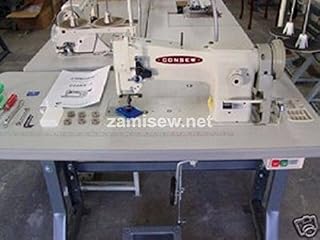
Consew 206RB-5 Walking Foot Industrial Sewing Machine
Check PriceSelecting the Correct Needle and Thread
A leather or wedge point needle is mandatory because it cuts a small slit rather than tearing a round hole. Sizes typically range from 18/110 to 22/140 depending on your total seam thickness. A regular universal needle will pound dimples into the coating without penetrating the interlayer.
You must use bonded polyester or UV treated poly thread for outdoor longevity. Standard cotton thread will rot within a single season of sun exposure, causing catastrophic seam failure. Marine industry experts emphasize that nylon threads actually wick moisture into the stitch hole, which is a recipe for internal mildew.
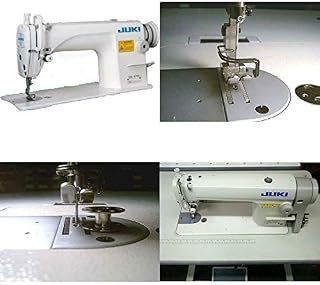
Juki Heavy Material Industrial Straight Stitch Sewing Machine
Check PriceOptimizing Your Sewing Machine Setup
A walking foot mechanism is absolutely critical for feeding this sticky material evenly. Domestic machines often stall because the bottom feed dogs spin against the vinyl backing while the top presser foot drags. An industrial compound walking foot eliminates this dangerous differential feed entirely.
You must lower your machine’s top speed and increase the presser foot pressure slightly. If you race through a seam, the friction heat will instantly gum up your needle, snapping the top thread. Consistent hand wheel operation is safer than relying on a sensitive foot pedal for sharp corners.
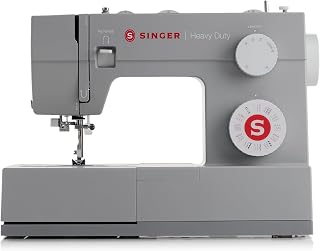
Singer 4452 Heavy Duty Sewing Machine
Check PriceEssential Accessories for Feeding Fabric
Silicone spray, seam tape, and a Teflon or roller foot are non-negotiable tools for this task. A standard metal foot acts like a brake pad against the shiny topcoat. Applying a light mist of silicone lubricant to the material surface allows the foot to glide smoothly without staining.
Basting tape or seamstick tape holds the hem in place far better than clamps. These clear, double sided tapes dissolve into the stitch line and prevent the thick layers from shifting. You simply stick the fold down and pierce right through the tape for a flawless radius.
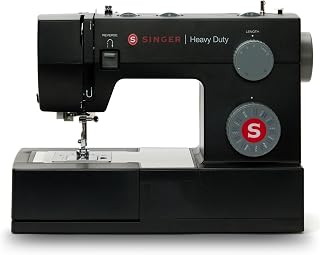
Singer 4432 Heavy Duty Sewing Machine
Check PriceMastering Stitch Length and Tension
A long stitch length, roughly 3.5mm to 4mm, fortifies the seam by reducing the number of perforations. Tiny, tight stitches act like a perforated tear off strip on paper, making the seam rip easily. A longer stitch also hides the thread sightly beneath the coating tension.
Balancing thread tension requires a test sample scrap from the exact cut you are using. The knot must lock inside the material layers, not on the surface. If the bobbin thread lies perfectly flat on the bottom, you have achieved a balanced industrial lockstitch.
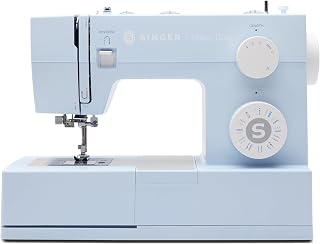
Singer 4423 Heavy Duty Sewing Machine
Check PriceHandling Seams, Corners, and Hems
Topstitching is essential not just for looks but for structural backing. Folding over a flat felled seam on marine vinyl demands strength, so use a plastic mallet or hammer to gently flatten crossing bulk. Metal hammers leave black marks, but a soft blow mallet compresses without scarring.
When pivoting at a sharp corner, you must leave the needle buried down in the fabric. Lift the presser foot, rotate the material, and lower the foot again. This prevents the needle from jumping out of the slit and creating a dog legged stitch off the intended path.
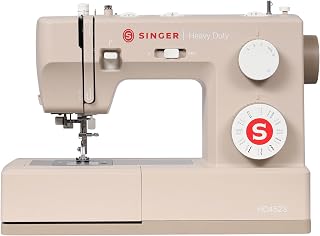
Singer Heavy Duty 4523 Next Evolution Sewing Machine
Check PriceSolving Feed Dog Issues on Thick Layers
Feed dogs can struggle to gain traction on the slick underside of marine vinyl, causing a zigzag or no movement at all. Placing a strip of tissue paper or tear away stabilizer under the seam provides initial grip. Once you finish sewing, you can simply tear the paper away cleanly.
A heightened auxiliary feed dog system or needle plate with wider teeth works better for sustained industrial use. The standard fine teeth on a domestic machine polish the backing without actually grabbing it. If the material doesn’t feed, stop immediately to avoid melting friction.
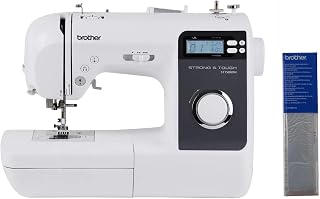
Brother ST150HDH Strong and Tough Sewing Machine
Check PriceComparing Marine Vinyl to Standard Faux Leather
Marine vinyl far exceeds standard faux leather in density and weatherproofing, which makes sewing noticeably harder. Faux leather rips easily under needle tension, but marine grade expands and contracts without flaking. This durability requires a heavier hand and a slower, more deliberate sewing pace.
Repairing mistakes on a boat seat demands specific restoration techniques often covered in buying guides for marine capable machines. While handling tight curves, remember that heavy duty leather machines share similar power requirements, though the adhesive backings are distinct.
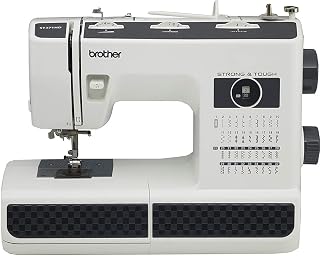
Brother ST371HD Sewing Machine
Check PriceThe Adhesive and Backing Factor
The fabric interlayer on the back of marine vinyl grabs the needle instantly if it gets warm. This backing is essentially melted plastic pressed into polyester, and friction from the needle can liquify it. You must keep your sewing speed below 800 stitches per minute to prevent this.
Cleaning the needle with isopropyl alcohol every ten minutes removes invisible build up. A black, tarry residue accumulating on the shank is a warning sign that the needle is too hot. Switching to a titanium coated needle helps dissipate heat slightly better than standard chrome.
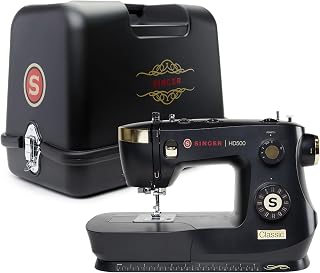
Singer Super Bundle Heavy Duty 500 Sewing Machine
Check PricePlanning Your Pattern and Cuts
Unlike woven fabric, you cannot cut marine vinyl on the bias to add stretch since it lacks a directional grain. You must rely entirely on patterning for shape, meaning your seam allowance must be perfectly consistent at half an inch. Inconsistent margins lead to puckered, wavy seams.
A rotary cutter with a sharp blade reduces the drag caused by scissor shearing. Scissors often twist the vinyl, creating a jagged edge that hits the foot differently. Use a metal ruler and compress hard to prevent the blade from wandering over the slick surface.
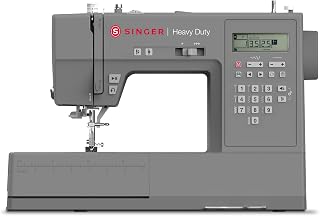
Singer 6700C Heavy Duty Computerized Sewing Machine
Check PriceCleaning and Post-Project Maintenance
The sticky residue from sewing will coat your bobbin case and feed dogs with a waxy film. This film attracts lint, which then clogs the hook assembly in minutes. A thorough brushing with a nylon detail brush after every bobbin change keeps your stitch formation crisp.
You should apply a marine protectant or UV blocker to the finished seams for ultimate durability. The stitch holes are the only vulnerable point where moisture could potentially enter the foam core. Sealing the underside of the seam is standard practice in high end upholstery.
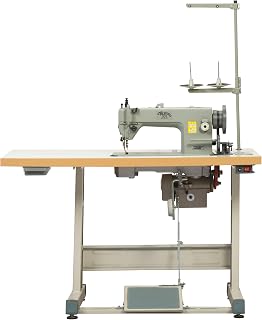
Weaver Leathercraft 303 Leather Sewing Machine
Check PriceRestitching Damaged Vinyl Sections
You cannot simply sew over a ripped seam on marine vinyl without filling the old holes first. Waterproof Seam Cement or a vinyl repair compound must be applied into the old perforations and allowed to cure. This solidifies the damaged area so a new needle doesn’t find the old path.
Stitching exactly in the old groove is the only way to hide a repair. A needle position adjustment feature on your machine, often called ‘needle up/down’ or ‘variable zigzag center’, allows micro adjustments to land perfectly in the sealed seam line for an invisible fix.
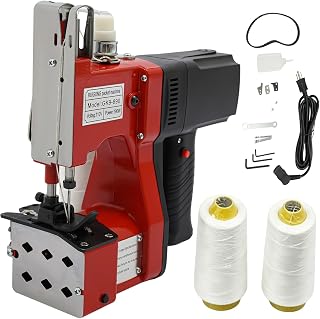
Leather Heavy Duty Industrial Sewing Machine
Check PriceFrequently Asked Questions
Can I sew marine vinyl with a regular home sewing machine?
A high quality heavy duty home machine can manage thin marine vinyl slowly, but it will struggle with multiple layers. The motor is rarely powerful enough to punch through dense weltings without stalling. You risk burning out the motor or timing belt over long upholstery runs.
What is the best stitch type for marine vinyl?
A straight lockstitch is the absolute gold standard for structural seams on boat interiors. Zigzag stitches are only used for utility areas like canvas windows because they introduce too much needle friction on vinyl. Stick to straight lines with a long stitch length for integrity.
Why is my machine skipping stitches on marine vinyl?
Skipped stitches indicate either a blunt needle, incorrect needle type, or the hook timing is misaligned due to deflection. The hard surface pushes the needle away from the rotating hook if the cloth is too thick. Switch to a larger, sharp wedge needle immediately.
How do I prevent permanent hole marks from pins?
Never use standard straight pins on the visible face of marine vinyl because the hole marks are permanent. Use wonder clips, binder clips, or spray adhesive strictly within the seam allowance. Any piercing outside the allowance ruins the project’s waterproofing and look.
Is there a difference between marine vinyl and regular vinyl?
Marine vinyl is heavily saturated with UV inhibitors and anti mildew chemicals that make it denser and stiffer. Regular expanded vinyl is lighter and easier to sew but will crack and rot outdoors within a year. The marine grade backing is polyester, not cotton scrim.
How can I sew tight corners without breaking the thread?
Manual hand wheeling is required for precise, 90 degree radius corners on thick panels. You must stop the motor completely with the needle down, ignore the foot pedal, and turn the hand wheel manually. This maximizes torque and keeps the top thread slack free.
What tension setting should I use for bonded thread?
Start near the middle of your machine’s tension range, around 4 or 5, and adjust downwards. Unlike fine dressmaking threads, bonded polyester is coated and doesn’t need crushing tension to interlock. Too much tension will snap the UV coating off the top thread.
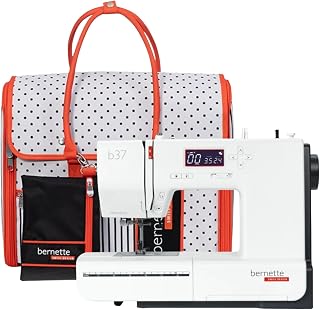
Bernette b37 Sewing Machine with Quilting Kit
Check PriceConclusion
Mastering how to sew marine vinyl truly separates the hobbyist from an advanced craftsperson. The process demands unwavering patience, as forcing the machine will immediately lead to needle gumming or layer shifting. Upgrading to a compound walking foot machine transcends preference and becomes a necessity for clean, lasting seams.
Your success hinges entirely on using lubricants, sharp wedge point needles, and airtight UV stable thread. The material has zero tolerance for rework, so thoughtful pinning with clips and sealed seam backing make the structural difference. With these industry secrets, your outdoor upholstery will stay tight and bright for decades.
Treat the film of sticky residue as an indicator, not just a cleaning chore, and keep alcohol nearby. Every stitch matters, especially because water only needs a micro hole to rot out a cushion. Respect the material’s rigidity, and it will pay you back with undeniable professional quality.

Disclosure: As an Amazon Associate, we earn from qualifying purchases at no extra cost to you. Our posts are created with AI tools and human editing.